Toys for Emotional Development Kids India: When Parents Are Tired
Montessori toys for emotional development kids India are invaluable tools, particularly when parents are navigating their own tiredness. These carefully designed educational materials provide a safe, structured environment for children to process complex emotions, fostering self-awareness and empathy. As highlighted by 'The Better India' story 'Mumma Is Feeling Tired Today,' open communication about parental feelings is crucial, and specific toys can support a child's understanding and response, enabling them to navigate their own feelings too.
Emotional expression in children is the ability to identify, understand, and communicate their feelings effectively. This matters because it builds crucial social skills, resilience, and mental well-being from a young age. Indian parents can actively foster this by providing resources and a supportive environment for their child's emotional growth.
Fostering Empathy: Understanding Feelings in an Indian Household
In the vibrant, often bustling, environment of an Indian home, children are constantly learning to navigate complex social dynamics, from respecting elders to interacting with cousins in a joint family. This requires a strong foundation in empathy, which is crucial for harmonious living and understanding others' perspectives, including when a parent is tired after a long day.
Research consistently shows that early development of empathy leads to greater social competence and reduced behavioral issues later in life. Montessori toys for empathy play a vital role in this learning journey by offering concrete experiences that encourage children to consider others' feelings and reactions.
Montessori Principles for Cultivating Kids' Emotional Intelligence
Maria Montessori's philosophy centres on developing the whole child, and emotional intelligence is a cornerstone of this approach. A prepared environment, rich with self-correcting materials, naturally encourages children to identify their own feelings as they encounter challenges and successes. This process builds resilience and self-awareness, critical components of emotional intelligence.
Studies indicate that children in prepared environments develop stronger self-regulation and problem-solving skills, directly contributing to their emotional maturity. Unlike traditional rote learning, Montessori methods empower children to explore, make choices, and understand consequences, all of which contribute to their emotional growth and ability to handle diverse situations effectively.
Practical Toys for Emotional Development When Parents Are Tired
When 'Mumma is feeling tired today,' and energy levels are low, engaging the child with specific Montessori-inspired toys can be incredibly effective. These toys allow children to process their feelings, or even mimic parental feelings, through independent or guided play. Consider a set of wooden emotion blocks, where different faces represent happiness, sadness, anger, or tiredness.
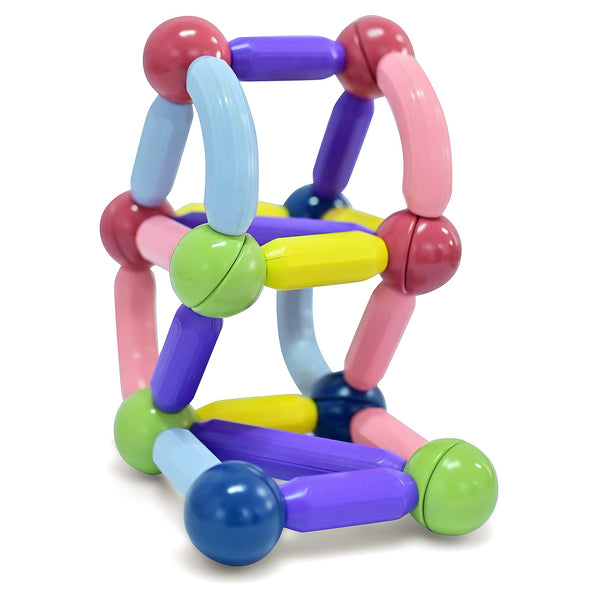
Children can choose a block to describe how they or a character feels, making abstract emotions tangible. Similarly, simple activity kits focused on role-play can help a child act out scenarios, processing situations in a safe space. Building blocks and open-ended wooden toys also offer a calming, constructive outlet. They allow for imaginative play that helps children work through feelings without needing constant parental intervention, providing a much-needed break for tired parents while still supporting the child's development.
Emotion flashcards or story-telling activity kits are excellent for encouraging verbal expression and identifying feelings in others. They can be used by children independently or with minimal adult guidance, making them ideal when a parent needs a few moments of quiet. Our range of activity kits includes options specifically designed to spark conversations about feelings, making complex emotions accessible.
Fostering Self-Regulation and Communication Through Play
Montessori toys for self-regulation children offer concrete ways for kids to manage their impulses and reactions. For instance, tasks involving sorting, stacking, or threading require concentration and patience, implicitly teaching emotional control. When a child successfully completes a challenging task, they experience a sense of accomplishment, which builds confidence and internal motivation, key elements in managing frustration.
Furthermore, dedicated communication toys for kids India, such as hand puppets or miniature world play sets, create avenues for children to voice worries or observations that they might find difficult to express directly. Engaging in pretend play allows them to externalize feelings, practice social scripts, and understand different perspectives, making them feel heard and understood even when parents are preoccupied. Exploring the full range of Montessori method learning materials at SkilloToys reveals a wealth of resources designed to support every aspect of a child's development, including their emotional intelligence.
- Montessori toys provide a structured way for Indian children to express feelings, even when parents are tired.
- Developing emotional expression in early childhood fosters empathy, social skills, and resilience.
- Specific toys like emotion blocks and role-play sets make abstract feelings tangible for children.
- Montessori principles encourage self-awareness and self-regulation through independent, purposeful play.
- Play-based learning helps children articulate thoughts and feelings they might otherwise suppress.
- Empowering children to understand and communicate feelings strengthens family bonds and reduces conflict.
How do Montessori toys specifically help with a child's emotional expression?
Montessori toys are designed to be self-correcting and hands-on, allowing children to independently explore concepts, including emotions. They provide concrete representations of abstract feelings, such as through emotion cards or social scenario plays, enabling children to identify and communicate their internal states effectively.
Are these toys only for when parents are tired, or for general emotional development?
While these toys are especially beneficial when parents need a moment, they are foundational for general emotional development in children. They consistently foster empathy, self-regulation, and communication skills, preparing children to navigate various social and emotional situations throughout their lives, not just in specific moments of parental fatigue.
What age is best to introduce toys for emotional development?
Introducing toys for emotional development can begin as early as 18-24 months, with simple emotion matching games and picture books. As children grow into their preschool and early school years, more complex tools like role-play sets and social problem-solving games become appropriate, evolving with their cognitive and emotional maturity.
How can Indian parents encourage open discussion about feelings using these toys?
Indian parents can encourage open discussion by playing alongside their child initially, modelling emotional language and asking open-ended questions like, "How does this character feel?" or "What made you feel happy today?" Creating a safe space where all feelings are acknowledged without judgment is key, linking the toy-play to real-life experiences.
Do these toys also help with self-regulation in children?
Yes, Montessori toys are excellent for fostering self-regulation. Activities like precise stacking, pouring, or puzzle-solving require concentration, patience, and error correction, which inherently build a child's capacity for emotional control and focused attention. These skills are vital for managing frustration and developing resilience.