Indian Wooden Toy Craftsmanship: Nurturing Culture in Play
Beyond just playthings, the exquisite Indian wooden toy craftsmanship carries generations of cultural heritage and artistic skill. This rich legacy, as highlighted by recent news like 'The Transformative Art of Wood Toy Carvers in India's Varanasi', offers a unique opportunity for eco-conscious Indian parents to connect their children to tradition and quality. These handcrafted treasures, unlike fleeting plastic fads, embody a commitment to sustainability, respect for natural materials, and the timeless principles of Montessori education.
Indian wooden toy craftsmanship is the time-honoured practice of skilled artisans meticulously hand-carving and painting toys from sustainable local woods. This matters because it preserves cultural heritage, supports local communities, and provides children with durable, natural, and non-toxic playthings. Indian parents can choose these toys to offer their children a tangible link to tradition and mindful play.
The Enduring Legacy of Varanasi Wooden Toys
The city of Varanasi, a crucible of Indian culture, is renowned for its vibrant wooden toys. These aren't just objects; they are storytellers, meticulously shaped by hands that have inherited techniques passed down through centuries. The recent feature in New Lines Magazine, 'The Transformative Art of Wood Toy Carvers in India's Varanasi', underscores the profound impact these artisans have, transforming simple wood into objects of wonder and cultural pride. Each carving reflects regional tales, festivals, and the intricate patterns of Indian life, making them exceptional Montessori cultural toys.
For children growing up in bustling Indian metros, these Varanasi wooden toys offer a tangible link to their roots, far removed from digital screens. A simple wooden animal or a miniature kitchen set becomes a gateway to conversations with grandparents about their childhood, bridging generational gaps and enriching family bonds. Research by the Harvard Center on Developing Child consistently highlights the importance of cultural exposure in early development, fostering a strong sense of identity and belonging.
Traditional Indian Toys: A Cultural Connection in Play
In homes across India, from a sprawling joint family in Delhi to a compact apartment in Bengaluru, parents increasingly seek toys that do more than entertain. They look for experiences that resonate with their values. This growing trend is echoed in initiatives like 'Christmas Gifts for Kids: 10 Indian Brands Making Thoughtful, Sustainable Toys' by The Better India, showcasing a shift towards mindful consumption.
Traditional Indian toys, whether from Channapatna in Karnataka or Etikoppaka in Andhra Pradesh, serve as miniature ambassadors of our diverse heritage. They are often open-ended, encouraging children to use their imagination to create stories and scenarios, rather than being dictated by the toy's limited function. This aligns perfectly with Montessori's emphasis on fostering creativity and intrinsic motivation.
Handmade Wooden Toys India: Quality Beyond Quantity
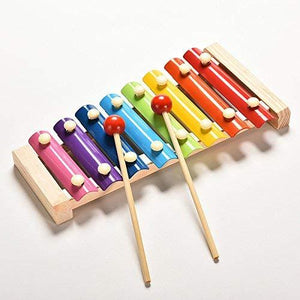
In a market saturated with plastic alternatives, the appeal of handmade wooden toys India offers a refreshing contrast. The quality inherent in a hand-carved piece means durability – a toy that withstands the energetic play of multiple children, perhaps even passing down from an older sibling to a younger cousin. This longevity is a cornerstone of sustainability, reducing waste and the constant need for replacement.
Maria Montessori herself advocated for toys made from natural materials, believing they connect children to the real world and engage their senses more authentically. The smooth finish of polished wood, the earthy scent, and the satisfying weight in hand provide a rich sensory experience that plastic simply cannot replicate. Child development experts agree that such tactile engagement is crucial for cognitive and sensory integration in children aged 18-36 months.
Montessori Cultural Toys: Respecting Craft and Child
Montessori education is built on principles of respect: respect for the child, for their environment, and for the work involved in creating their learning materials. When parents choose Montessori cultural toys, they are implicitly teaching their children to value the human effort and artistry behind each piece. This perspective is vital in an age where instant gratification often overshadows the appreciation for skilled labor.
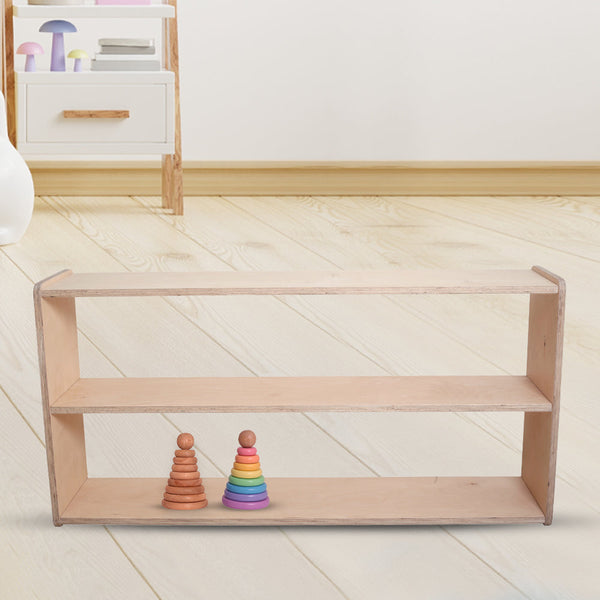
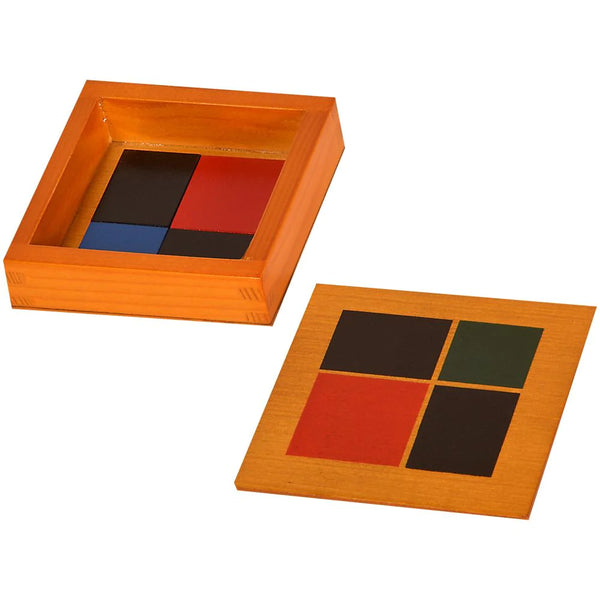
A simple wooden puzzle, inspired by Indian folk art, or a set of lacquered stacking rings, mirrors the self-correcting and purposeful nature of classic Montessori materials like the Pink Tower. These toys allow children to explore concepts of order, size, and shape at their own pace, developing concentration and problem-solving skills without overwhelming them with unnecessary features.
Natural Wooden Toys India: Eco-Conscious Choices for the Future
For eco-conscious Indian parents, the choice of natural wooden toys India is an intentional step towards a more sustainable lifestyle. These toys minimize environmental impact, from their creation using renewable resources to their biodegradability at the end of their long life. This aligns with a broader societal movement towards conscious consumption, as seen with brands like Gubbachhi, whose founders emphasize toys rooted in Indian identity, as noted by The New Indian Express.
Beyond the environmental aspect, these choices also promote health. Free from BPA, phthalates, and other chemicals often found in plastic, wooden toys offer peace of mind, especially for infants and toddlers who frequently explore objects with their mouths. This conscious parenting choice benefits both the child's immediate well-being and the planet's long-term health.
Choosing Indian wooden toys is more than a purchase; it's an investment in quality, culture, and a sustainable future for your child. It's about providing them with materials that engage their senses, spark their imagination, and silently teach them to value their heritage and the hands that shape it. Tonight, consider showing your child an authentic Indian wooden toy and tell them the story of where it comes from – a simple act that plants a seed of cultural appreciation.