Child Obesity Malnutrition Delhi: Montessori Parent Guide
Recent Google News headlines like 'Obesity and malnutrition in Delhi - The Hindu' have brought a critical public health concern to the forefront for Indian parents. The paradoxical challenge of child obesity and malnutrition in Delhi is a complex issue, where children can be simultaneously underweight or stunted, yet also overweight. Montessori principles offer a powerful, child-centric framework to address this dual burden, fostering a lifelong foundation for healthy habits.
This guide will help you understand how Montessori philosophy can be integrated into your Delhi home to nurture children who develop a balanced and respectful relationship with food, movement, and their own bodies. It's about empowering them to make wise choices, rather than imposing rules.
What is the Dual Burden of Child Obesity and Malnutrition?
The dual burden refers to the co-occurrence of both undernutrition (like stunting, wasting, or micronutrient deficiencies) and overnutrition (overweight or obesity) within the same population or household. This matters because it indicates systemic dietary imbalances and lifestyle challenges. Indian parents in Delhi face this reality, often navigating a shift towards processed foods alongside traditional dietary patterns, contributing to this complex health issue.
Montessori for Child Health Delhi: Cultivating Practical Life Skills for Nourishment
Maria Montessori firmly believed that children learn by doing. In the context of nutrition, this means involving them directly in the food preparation process. For a 3-year-old Anya in a South Delhi apartment, this could mean washing vegetables, peeling boiled potatoes, or setting the table with child-sized cutlery. For an older child, it might be helping measure ingredients or kneading dough.
Research shows that children who participate in meal preparation are more likely to eat the food they've helped create. This isn't just about chores; it's about developing fine motor skills, concentration, and a deeper understanding of where food comes from and how it nourishes us. These are fundamental Montessori practical life skills healthy eating habits are built upon, moving beyond passive consumption to active engagement.
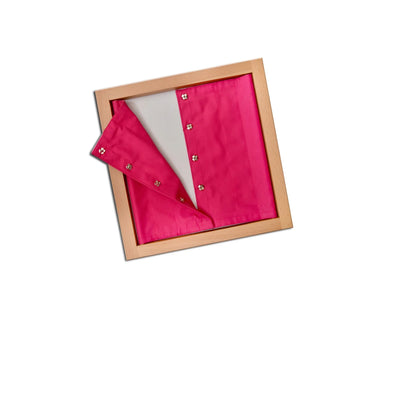
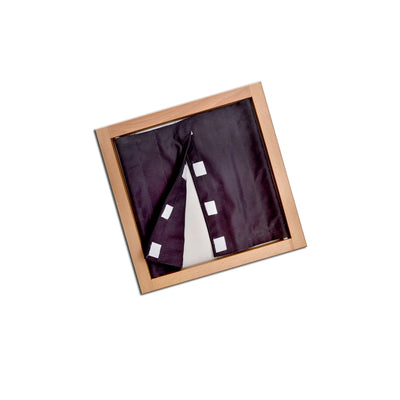
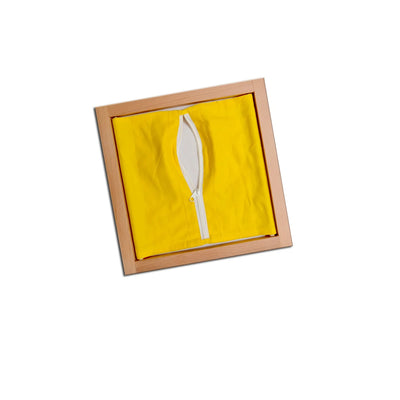
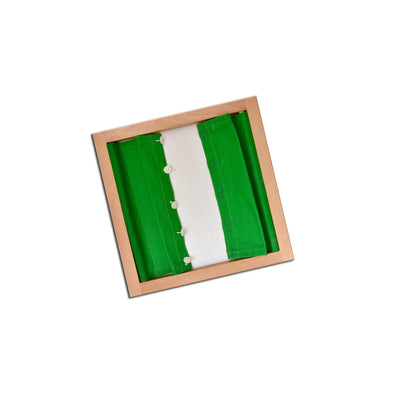
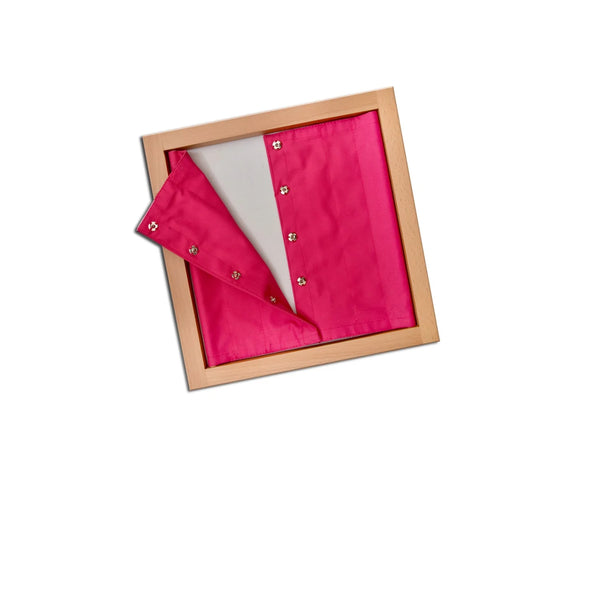
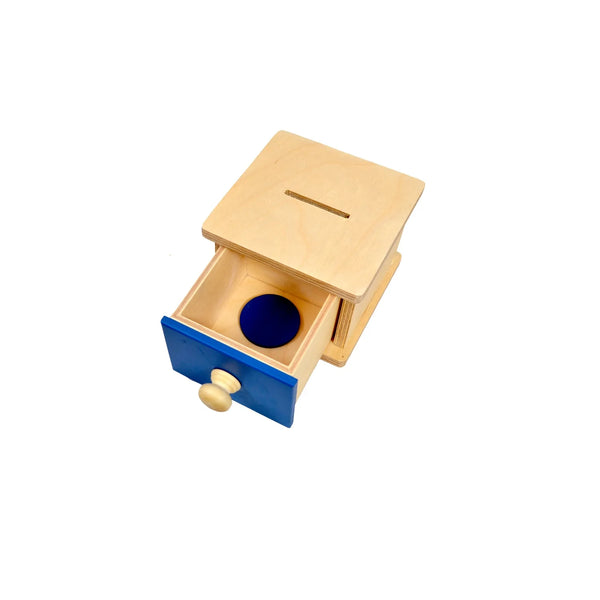
Encourage your child to pour water into their own glass from a small jug or serve themselves from common dishes. Providing child-friendly activity kits that encourage fine motor development can also indirectly build readiness for kitchen tasks. Child development experts agree that such independence fosters self-esteem and a positive relationship with food, vital for combatting both extremes of the dual burden.
Creating a Prepared Environment for Healthy Habits Delhi Kids
The Montessori 'prepared environment' extends to every corner of your home, including the kitchen and play areas. It's about making the healthy choice the easy choice. For many healthy habits Delhi kids need, this means a thoughtful setup.
Consider placing a small, sturdy stool in the kitchen so your child can access the counter safely. Keep healthy snacks like fruit, nuts, or cut vegetables in clear, accessible containers at child-height in the fridge or pantry. Ensure fresh water is always available in a small pitcher and cup that your child can manage independently.
Beyond food, a prepared environment encourages movement. In urban Delhi homes, space can be a constraint, but creativity helps. Designate a corner for free movement, perhaps with a soft mat or a few open-ended Montessori materials like blocks or a climbing triangle. This simple shift can dramatically increase the amount of active play Delhi children get throughout their day, reducing sedentary screen time.
Respecting Hunger Cues: A Montessori Approach to Delhi Child Nutrition
One of the profound Montessori insights is the respect for the child's inner guide. This applies profoundly to eating. Instead of pressuring a child to 'finish everything on their plate' (a common practice in many Indian households, sometimes urged by well-meaning grandparents), observe their cues. Are they truly hungry? Are they satisfied? Maria Montessori emphasized observing children without judgment.
This approach to Delhi child nutrition means offering nutritious meals and snacks at regular intervals, but allowing the child to decide how much they eat. This teaches them to listen to their bodies, a critical skill for preventing both overeating and developing an aversion to food. The Indian Academy of Pediatrics recommends focusing on a balanced diet and portion control based on a child's appetite, rather than forced feeding.
Beyond the Plate: Active Play Delhi Children and Holistic Development
Montessori education views movement as integral to learning, not separate from it. Physical activity isn't just about burning calories; it's fundamental for brain development, coordination, and emotional regulation. For Delhi children, often facing academic pressure and limited open spaces, prioritizing purposeful movement is crucial.
Instead of relying solely on structured sports, integrate movement into daily life. Think of a 4-year-old Veer helping sweep the floor with a small broom, or an 18-month-old Dia carefully transferring small objects from one bowl to another, developing fine motor control. These seemingly simple tasks are powerful forms of 'work' for a child, building concentration and physical dexterity.
SkilloToys' range of Montessori learning materials, from knobbed cylinders to balancing beams, are designed to naturally encourage gross and fine motor skills. These materials offer open-ended play that promotes problem-solving and sustained physical engagement, essential for fostering an active lifestyle from an early age.
Empowering Choice: Montessori Principles for Healthy Eating Habits
True empowerment comes from making informed choices. When it comes to food, offer your child choices within healthy limits. Instead of 'What do you want for dinner?' (which can lead to 'pizza!'), try 'Would you like rajma chawal or dal roti tonight?' This gives them agency while ensuring a nutritious outcome.
Involve them in grocery shopping, letting them pick out a fruit or vegetable. This small act can spark curiosity and a willingness to try new foods. By respecting their autonomy and guiding them towards positive choices, you're not just feeding them for today; you're equipping them with the decision-making skills that will support their health throughout life. This is the essence of a Montessori approach to long-term health and well-being for our children in Delhi and beyond.