Board Games for Kids: Cognitive & Language Boost (0-8)
Research shows that board games for kids are a powerful tool for developing critical cognitive and language skills, offering a tangible, interactive learning experience that digital screens cannot replicate. These engaging activities are essential for children aged 0-8, providing a foundation for lifelong learning in a way that aligns perfectly with Montessori principles.
In today's fast-paced world, where screen time often dominates, providing children with enriching, hands-on experiences is paramount. For Indian parents dedicated to holistic development, board games offer a cherished tradition reborn with modern educational insights, fostering growth from early toddlerhood through to early school years.
What are Board Games and Why are They Essential for Early Childhood Development?
Board games are structured, interactive play activities governed by rules, typically involving counters, cards, or dice, designed for multiple players. This matters because they foster crucial social interaction, strategic thinking, and emotional regulation, providing a vital counterpoint to passive screen time. Indian parents can integrate these games into daily routines to strengthen family bonds and promote holistic child development.
Unlike the often-passive consumption of content on touchscreens, which some systematic reviews suggest may impact children's social development and communication, board games demand active engagement. They offer a 'prepared environment' at home, much like a Montessori classroom, where learning happens organically through play and interaction.
Cognitive Development: Building Sharp Young Minds
Board games for cognitive development are unparalleled tools for nurturing sharp, analytical young minds. From understanding cause and effect to mastering complex strategies, these games engage multiple brain functions simultaneously. Studies consistently demonstrate that children who regularly engage in board games show improved executive functions, including planning, working memory, and cognitive flexibility.
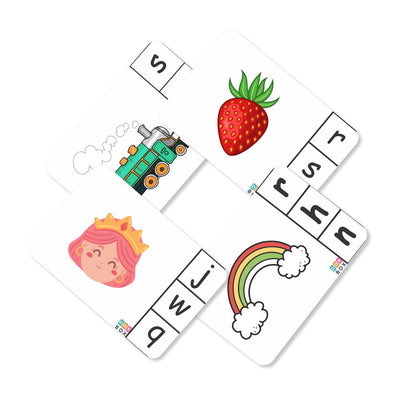
For toddlers and preschoolers (0-4 years), simple matching and sorting games lay the groundwork for logical reasoning and visual discrimination. As children progress (4-8 years), games involving memory recall, sequencing, and basic problem-solving, much like working with Montessori puzzles, refine these cognitive pathways. For instance, anticipating an opponent's move or adapting to changing game conditions directly enhances critical thinking, a skill vital for academic success and real-world challenges.
This hands-on engagement provides a powerful antidote to the potential cognitive challenges posed by excessive digital exposure. Children learn perseverance, adapt to setbacks, and celebrate successes in a tangible, social setting, preparing them not just for school but for life itself. While research on supporting cognitive development in children with Down Syndrome highlights the universal need for stimulating activities, board games offer accessible, adaptable pathways for all children to thrive.
Language Skills: Nurturing Communication and Vocabulary
Board games for language skills provide a rich context for verbal interaction, making learning new words and communication nuances enjoyable and natural. During gameplay, children actively listen to instructions, ask clarifying questions, explain their moves, and discuss strategies, all of which are critical for language acquisition.
In many Indian homes, where children might be exposed to multiple languages, board games create a focused environment for language practice. They encourage turn-taking in conversation, teach the importance of clear articulation, and expand vocabulary as children learn game-specific terms or describe actions. Simple games for younger children might focus on naming colours or objects, while more complex games for older kids can involve storytelling or elaborate explanations.
Child development experts agree that interactive dialogue is key to linguistic growth. The shared experience of a family board game, perhaps during a quiet afternoon with grandparents or a festive evening, fosters not just linguistic fluency but also strong interpersonal communication, moving beyond rote learning to applied understanding.
Montessori Approach to Board Games: Learning Through Play
The Montessori philosophy, championed by Dr. Maria Montessori, emphasizes purposeful, hands-on learning within a 'prepared environment' that allows children freedom within limits. Educational board games align beautifully with this approach, fostering concentration, independence, and self-correction, much like classic Montessori materials such as the Pink Tower or Sandpaper Letters.
Montessori board games encourage children to learn through discovery rather than direct instruction. When a child makes a mistake in a game, the rules themselves often provide immediate feedback, allowing for self-correction without adult intervention. This builds resilience and analytical thinking. For children aged 0-3, this might mean simple sorting or matching games with chunky, tactile pieces. From 3-6, games involving sequencing, pattern recognition, and basic counting become beneficial. For 6-8 year olds, more complex strategy games or those requiring reading and numerical skills deepen their understanding.
The emphasis is on the process of play and the internal satisfaction of mastering a skill, rather than solely on winning. This focus on intrinsic motivation helps children develop a lifelong love for learning, encouraging an emerging interest in science and logical thinking during early childhood, which Nature journal articles highlight as crucial.
Choosing the Best Board Games for Kids 0-8 in an Indian Family
Selecting the best board games for kids 0-8 in the Indian context means considering age-appropriateness, cultural relevance, and the dynamics of joint families. Look for educational board games that encourage participation from different age groups and skill levels, making them perfect for festive gatherings or relaxed weekends.
For children 0-2 years, focus on sensory play and cause-and-effect toys rather than traditional board games. From 2-4 years, simple matching games, colour recognition, and basic stacking activities are excellent. These could involve oversized cards or large, safe pieces. As children enter the 4-6 age bracket, introduce games that involve counting, simple memory tasks, and cooperative play, which foster teamwork. For 6-8 years, strategic thinking games, word-building, and those that encourage problem-solving become ideal.
When choosing family board games in India, consider themes that resonate with local culture or universal values like sharing and helping. Games that promote storytelling or encourage discussions about Indian festivals or traditions can add an extra layer of engagement. Explore a wide range of enriching options from our Montessori Method Learning Materials collection.
- Board games for kids aged 0-8 significantly enhance cognitive skills such as strategy, memory, and problem-solving.
- They are powerful tools for language development, improving vocabulary, communication, and rule-following.
- Montessori principles of self-correction, concentration, and hands-on learning are strongly reflected in well-chosen board games.
- Physical board games offer a crucial alternative to digital screens, fostering social interaction and sustained attention.
- Selecting age-appropriate and culturally relevant board games strengthens family bonds, especially in multi-generational Indian homes.
- Engaging with board games builds essential life skills like patience, turn-taking, and emotional regulation from an early age.
At what age can kids start playing board games?
Children can start engaging with simple board game concepts as early as 18-24 months through activities like sorting, matching, and stackers. Structured rule-based games typically begin around age 3-4, evolving in complexity as they grow.
How do board games help with language development?
Board games enhance language skills by promoting verbal communication, turn-taking, understanding and explaining rules, and expanding vocabulary. They create opportunities for children to articulate strategies and express ideas within a social context.
What makes a board game Montessori-aligned?
A Montessori-aligned board game encourages hands-on exploration, self-correction, concentration, and purposeful activity. It allows children to learn through discovery, fostering independence and building skills incrementally within a prepared environment.
Are board games better than digital games for kids?
Research indicates that physical board games offer unique benefits over digital alternatives, particularly for social development and sustained attention. They encourage face-to-face interaction, tactile engagement, and direct problem-solving without the potential downsides of excessive screen exposure.
What kind of board games are best for joint families in India?
For joint families in India, multi-generational board games that are easy to learn but offer depth are ideal. Cooperative games or those with flexible rules allow everyone, from young children to grandparents, to participate and bond over shared experiences during festivals or daily leisure.