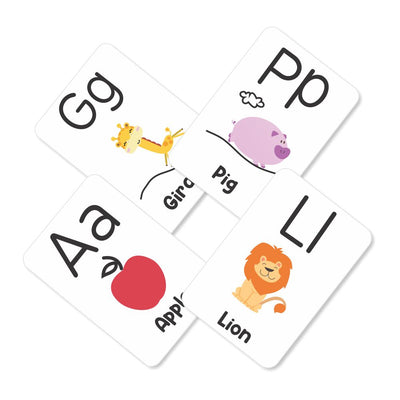
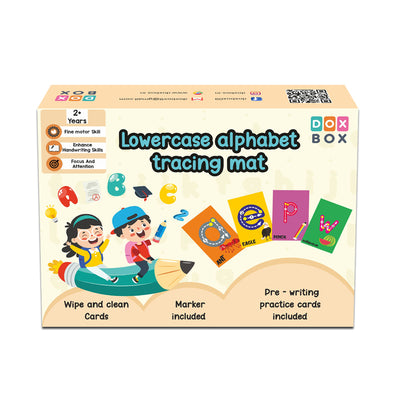
Children Swiping Books? Nurturing Early Literacy & Fine Motor Skills
The recent Times of India report observing children trying to swipe books instead of turning pages highlights a critical concern regarding the impact of digital screens on early literacy and fine motor skills. This phenomenon underscores the urgent need for parents to re-engage children with physical books and hands-on Montessori learning. Studies indicate that early tactile interaction with printed materials is crucial for developing pre-reading abilities and strengthening fine motor control.
Early literacy is the foundation of a child's reading and writing journey, encompassing print awareness, phonological skills, and vocabulary, developed before formal schooling. Fine motor skills are the precise coordination of small muscles in the hands and fingers, vital for tasks like turning pages or holding crayons. This integrated development is paramount for cognitive growth. Indian parents can nurture these by prioritizing physical interactions over digital screens.
Fine Motor Skills Development: The Montessori Approach
Child development experts agree that robust fine motor skills are indispensable for a child's overall cognitive and academic journey. The precision required for tasks like turning a book's page, holding a pencil, or manipulating small objects is directly linked to early brain development and future learning capabilities. Research indicates that well-developed fine motor skills at kindergarten entry are strong predictors of later academic success, especially in math and reading.
The Montessori method explicitly targets these essential skills through practical life activities and sensorial exercises. Materials such as knobbed cylinders, pouring activities, lacing beads, and puzzles are meticulously designed to refine the pincer grip, hand-eye coordination, and finger strength. These engaging, hands-on experiences provide the necessary foundation for a child to interact confidently and effectively with physical books.
Reclaiming Early Literacy Activities Through Physical Books
In an age where digital content dominates, the unique benefits of physical books for early literacy activities cannot be overstated. Unlike the passive, repetitive motion of swiping a screen, turning pages of a physical book involves complex fine motor movements, developing dexterity and spatial awareness. The sensory experience of holding a book, feeling the paper, and seeing vibrant illustrations directly enhances print awareness and encourages a deeper connection to stories.
The Times of India article underscores a concerning shift, but it also presents an opportunity for parents to intentionally bring back the joy of traditional reading. Shared reading moments with grandparents, where stories are narrated and discussed, are invaluable in Indian homes. While initiatives like Punjab's 'Mission Aarambh' leverage digital platforms to strengthen early childhood learning for parents, it's crucial that this complements, not replaces, the tangible interaction with books for children themselves, fostering rich vocabulary and comprehension.
Montessori Reading: Building Foundational Skills Away from Screens
Maria Montessori's philosophy emphasizes a holistic approach to pre-reading skills, recognizing that a child must first develop a strong sensorial and motor foundation. Instead of direct instruction, Montessori reading focuses on preparing the child indirectly through materials that refine the senses and develop concentration. This includes activities that build visual discrimination (e.g., sorting shapes) and auditory discrimination (e.g., sound games), crucial precursors to phonics.
Materials like Montessori materials such as sandpaper letters and the movable alphabet provide tactile and kinesthetic experiences of letter forms and sounds. This multi-sensory engagement ensures that children grasp the abstract concepts of reading through concrete manipulation. India Today's emphasis on play-based learning deserves equal footing with nutrition in child development, aligning perfectly with Montessori principles, where foundational reading skills are built through engaging, hands-on activities, ensuring children develop a deep understanding, not just rote memorization.
The Unseen Impact of Screen Time on Developing Hands
The rise of touchscreen devices has introduced new challenges for the development of fine motor skills. Repetitive swiping and tapping, while seemingly simple, offer a limited range of movement compared to the diverse actions involved in play with physical objects. This lack of varied sensory input and complex manipulation can inadvertently hinder the intricate muscle development in a child's hands and fingers, essential for tasks like writing, drawing, and, crucially, turning the pages of a book.
A systematic review published in Frontiers highlights the impact of touchscreen digital exposure on children’s social development and communication, implicitly suggesting the need for more varied physical interaction to prevent over-reliance on a single, limited motor pattern like swiping. Studies suggest children spending over 2 hours daily on screens before age 2 show a measurable delay in fine motor development compared to those with less screen time, emphasizing the need for mindful screen usage.
Beyond the Swipe: Practical Tips for Indian Homes
Creating an environment rich in tactile experiences is paramount. Start by curating a diverse collection of physical books, from board books for infants to storybooks for preschoolers, in both English and regional languages. Designate a comfortable reading nook in your home – perhaps near a window or a cozy corner – to make reading an inviting daily ritual.
Actively involve family members, especially grandparents, in storytelling sessions, leveraging India's rich oral tradition. Provide a variety of age-appropriate Montessori materials that encourage grasping, stacking, and manipulating. Remember, modeling is key: let your child see you enjoying physical books, setting a powerful example that transcends the digital.
- Early exposure to touchscreens leads to children trying to swipe physical books, indicating a delay in fine motor and pre-reading skills.
- Montessori education emphasizes hands-on activities with materials like sandpaper letters and puzzles to build foundational fine motor skills and prepare for literacy.
- Physical books offer a crucial multi-sensory experience (tactile, visual, auditory) that is essential for developing print awareness and a deeper comprehension of text.
- Research indicates that well-developed fine motor skills at kindergarten entry are strong predictors of later academic success in reading and mathematics.
- Limiting screen time, especially for children under 2, and prioritizing tangible play helps mitigate the negative impacts of digital overexposure on motor development.
- Indian families can uniquely foster early literacy by integrating cultural storytelling and creating inviting reading environments that encourage physical interaction with books.
Why do children try to swipe physical books?
Children swipe physical books due to learned interaction patterns from digital touchscreens, where swiping progresses content. This digital habit overrides the physical manipulation required for turning real pages, indicating a lack of developed fine motor skills and print awareness from early screen exposure.
How do physical books aid early literacy development?
Physical books provide tactile, visual, and auditory sensory input, essential for early literacy. They teach page sequencing, develop the crucial pincer grip, and foster shared reading experiences that build vocabulary and comprehension through direct, interactive engagement between parent and child.
What Montessori materials help develop fine motor skills for reading?
Montessori materials like sandpaper letters, the movable alphabet, lacing beads, puzzles, and practical life activities like pouring or transferring are specifically designed to refine fine motor control. These engage multiple senses, strengthening finger muscles and hand-eye coordination crucial for holding books and writing.
What is the recommended screen time for young children?
Child development experts agree no screen time is recommended for children under 18 months, except for video chatting with family. For children 18-24 months, limited high-quality screen time with parental interaction is suggested, while for ages 2-5, restrict screen use to 1 hour per day of high-quality programming, always with supervision.
How can Indian families encourage book interaction in a digital age?
Indian families can encourage book interaction by creating inviting reading nooks, establishing daily storytelling rituals often involving grandparents, and providing culturally relevant physical books. Modeling reading behavior and engaging in interactive story sessions are highly effective in fostering a love for tangible books.