Choosing Board Games for Kids: Cognitive & Language Guide
Choosing the right board games for kids is a definitive step toward fostering their cognitive and language development from an early age, establishing a strong foundation for lifelong learning. Parents in India can strategically select games that align with a child’s developmental stage, ensuring play is both engaging and intellectually enriching. This guide provides actionable insights for making informed choices that support holistic growth.
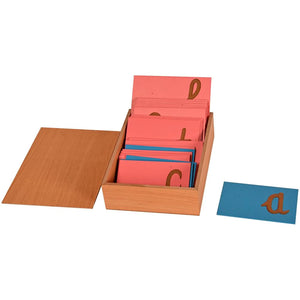
Montessori board games are purposeful educational tools designed to engage children in self-directed learning through hands-on activity. This approach matters because it nurtures concentration, independence, and critical thinking from a young age. Indian parents can integrate these games to complement traditional learning, fostering an environment of joyous discovery at home.
The Montessori Philosophy Behind Educational Play
Child development experts agree that play is the primary vehicle for learning in early childhood, and Montessori principles elevate this natural inclination through specially designed materials and activities. Applying this philosophy to board games means selecting options that are not merely entertaining but are structured to cultivate specific skills in a sequential, child-led manner. These games provide opportunities for exploration and discovery, rather than just instruction.
Maria Montessori emphasized that children learn best through direct experience and self-correction, which is inherent in well-designed educational board games. When a game allows a child to identify and rectify their own mistakes, it builds intrinsic motivation and resilience, crucial qualities for academic success and personal growth. This self-directed learning fosters a deeper understanding than rote memorization.
Age-Appropriate Selection: Milestones & Montessori Board Games (0-8)
Selecting age-appropriate board games 0-8 is crucial for ensuring optimal engagement and developmental impact, aligning with a child's evolving cognitive abilities. Different age groups have distinct learning needs and capacities, requiring games that challenge them appropriately without causing frustration. This careful selection ensures that play remains a positive and productive experience.
Infancy & Toddlerhood (0-2 years): Sensory & Foundational Language
For the youngest learners, Montessori board games focus on sensory exploration, cause-and-effect, and early word association. Look for games with large, sturdy pieces, vibrant colours, and varying textures that encourage grasping, stacking, and sorting. Simple matching games with animal sounds or everyday objects lay the groundwork for vocabulary and object recognition.
At this stage, communication often begins with gestures and single words. Games that involve identifying and naming objects, like a picture bingo with common items found in an Indian home or animal flashcards, can significantly boost early language acquisition. These interactive moments with parents or grandparents are vital for verbal development.
Preschool Years (2-5 years): Expanding Cognition & Vocabulary
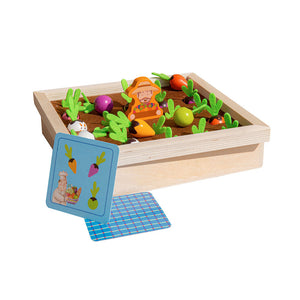
As children enter their preschool years, their cognitive abilities rapidly expand, making them ready for games that introduce basic rules, problem-solving, and increased vocabulary. Matching, memory, and simple sequencing games are ideal for developing concentration and logical thinking. Games like colour sorting or shape identification help solidify foundational concepts.
For board games for language development, consider options that involve storytelling, turn-taking, and following multi-step instructions. Engaging in collaborative games where children describe their moves or articulate simple strategies enriches their expressive language skills. Many Indian families enjoy narrative-rich games that incorporate cultural stories or common scenarios.
SkilloToys offers a wide range of puzzles that are perfect for this age group, enhancing fine motor skills and spatial reasoning alongside early literacy. These puzzles often feature familiar themes, making them instantly relatable and engaging for young children.
Early School Years (5-8 years): Strategic Thinking & Advanced Language
Children in their early school years are ready for more complex games that challenge their strategic thinking, memory, and advanced language skills. Games involving basic arithmetic, letter recognition, and critical thinking become highly beneficial. Look for options that require planning ahead, decision-making, and understanding multiple rules.
These are prime years for truly sophisticated board games for language development, including word-building games, descriptive storytelling challenges, and games that encourage explaining complex ideas. Collaborative play, common in joint family settings, also hones negotiation and persuasive communication skills. Playing with older siblings or grandparents provides rich learning opportunities.
Key Criteria for Choosing Cognitive Skill Board Games
When selecting cognitive skill board games, focus on specific attributes that directly stimulate mental processes. Games that require memory recall, pattern recognition, logical deduction, and spatial reasoning are particularly effective. These are not merely about 'winning' but about engaging the brain in purposeful ways.
Studies show that early exposure to interactive games significantly boosts neural connections and problem-solving abilities in children. Look for games that are self-correcting, allowing children to learn from their mistakes independently, much like many classic Montessori materials. This fosters a sense of accomplishment and reinforces learning without external intervention.
Fostering Language Development Through Board Games
Board games provide an unparalleled platform for nurturing comprehensive language development, extending beyond just vocabulary. They create natural contexts for conversation, turn-taking, and expressing ideas clearly. This interactive environment is far more effective than passive learning from screens.
Choose games that encourage verbal interaction, such as those requiring players to describe pictures, tell stories, or explain their reasoning. Games that involve following instructions, asking questions, and even debating playful strategies contribute significantly to both receptive and expressive language skills. A recent report by the National Institute of Child Development highlights that interactive play enhances a child's ability to articulate thoughts and understand complex sentences, which is critical for academic readiness.
Integrating Board Games into the Indian Family Routine
In the vibrant tapestry of Indian family life, board games offer a wonderful opportunity for intergenerational bonding and learning. Grandparents, often central to childcare, can become valuable playmates, sharing stories and cultural wisdom through games. This enriches the child's learning experience with diverse perspectives and emotional connections.
Family game nights, particularly during festivals or weekend gatherings, can become cherished traditions that seamlessly integrate learning with fun. These moments foster teamwork, patience, and good sportsmanship, all while subtly building cognitive and language capabilities. Encouraging respectful dialogue and cooperative play within the joint family setting strengthens social skills alongside academic ones. Explore our full range of Montessori learning materials for more ways to enrich playtime.
- Choosing appropriate board games for kids significantly boosts cognitive and language development from 0-8 years.
- Montessori-aligned games promote self-directed learning and intrinsic motivation through hands-on engagement.
- Age-specific selection is critical, with early games focusing on sensory input and later games on strategy.
- Cognitive skill games enhance memory, problem-solving, and logical thinking through self-correction.
- Board games foster language development by encouraging communication, storytelling, and vocabulary expansion.
- Integrating board games into Indian family routines strengthens intergenerational bonds and social skills.
What age is best for starting board games?
Children can begin engaging with simple board games as early as 18-24 months, focusing on sensory exploration, matching, and basic cause-and-effect. These initial experiences lay crucial foundations for later cognitive and social development.
How do board games improve language skills?
Board games enhance language skills by encouraging communication, turn-taking, and vocabulary expansion through descriptive play and instructions. They provide natural contexts for storytelling, explaining strategies, and listening, all vital for robust language development.
Are screen-based games as good as physical board games?
Physical board games offer distinct advantages over screen-based games for young children, promoting tactile engagement, direct social interaction, and fine motor skill development. Research indicates that hands-on play with physical materials is superior for sensory integration and foundational learning.
How can I make board games fun for a child who resists?
To make board games enjoyable, start with very simple, interest-led games and focus on the process of play rather than winning. Involve them in setting up, allow for creative rule adaptations, and celebrate effort and participation, fostering a positive association with learning.
What makes a board game Montessori-aligned for cognitive development?
A Montessori-aligned board game for cognitive development is self-correcting, promotes independent exploration, and isolates specific learning objectives like sequencing or problem-solving. It encourages active engagement and intrinsic motivation, fostering a deep understanding through hands-on experience.