Choosing Educational Toys for Kids (0-8)
Choosing the best educational toys for children aged 0-8 is a definitive step parents can take to actively foster cognitive and language development, steering them towards holistic growth away from passive digital experiences. Research consistently shows that purposeful play with well-chosen materials builds crucial neural pathways and foundational skills. For Indian parents, understanding these benefits ensures their little ones receive the best start.
To choose the best educational toys for children aged 0-8, parents should prioritize open-ended, age-appropriate materials that encourage active engagement, problem-solving, and verbal interaction, moving away from passive screen time. Focus on toys that foster curiosity and allow children to discover concepts independently, aligning with developmental milestones for cognitive and language growth.
What Are Educational Toys? Defining the SkilloToys Approach
Educational toys are specifically designed to stimulate learning, encourage skill development, and provide a foundational understanding of various concepts through play. This matters because well-chosen toys build crucial cognitive and language pathways in young children, preparing them for formal schooling and life. Indian parents can leverage these tools to complement traditional learning methods and create a rich home learning environment.
Why Thoughtful Toy Selection Matters for Cognitive & Language Growth
The landscape of childhood has evolved, and with it, the challenges parents face. Child development experts consistently affirm that the early years are critical for brain development, impacting cognitive functions, social skills, and communication abilities. However, a systematic review published in Frontiers highlighted the negative impact of touchscreen digital exposure on children’s social development and communication.
Anecdotal evidence, as reported by The Times of India, suggests that one-third of children in the US cannot turn pages, instead attempting to swipe books, signaling a potential shift in foundational literacy skills. Furthermore, theweek.in has raised concerns about how excessive screen time can hurt a child's brain, behaviour, and long-term health. These insights underscore the urgency for parents to choose toys that promote active engagement, tactile learning, and genuine interaction over passive consumption.
Thoughtful selection of best educational toys offers a powerful antidote, providing tangible experiences that stimulate all senses and encourage active learning. This approach is particularly relevant for Indian families, where grandparents often play a significant role in early childhood and can reinforce traditional, hands-on play, preserving essential developmental opportunities.
Key Principles for Choosing Educational Toys for Kids (0-8)
Selecting the right educational toys for kids involves understanding core developmental principles that support comprehensive growth. These guidelines ensure that every toy brought into your home serves a meaningful purpose beyond mere entertainment.
Age-Appropriate and Developmentally Aligned
The most effective educational toys align with a child's current developmental stage, offering challenges that are neither too simple nor too frustrating. For infants, sensory toys are crucial, while toddlers benefit from toys that encourage gross motor skills and early language. Older children thrive with toys that promote problem-solving and social interaction, ensuring sustained engagement and learning.
Open-Ended Play and Problem-Solving
Open-ended toys, like building blocks or puzzles, allow for multiple play possibilities, fostering creativity and problem-solving skills. These materials do not dictate the play but rather invite the child to explore, experiment, and invent. This kind of play is essential for developing executive functions and adaptable thinking, skills highly valued in India's competitive academic environment.
Fostering Language and Communication
Toys that encourage verbal interaction, storytelling, and imaginative role-play are invaluable for language development. Puppets, play kitchens, and miniature figures can stimulate dialogue, expand vocabulary, and help children express emotions and ideas. Engaging in conversations around these toys, whether with parents, siblings, or grandparents, enriches a child's linguistic environment significantly.
Promoting Sensory Exploration and Fine Motor Skills
Hands-on toys that engage multiple senses are vital for cognitive development, especially for younger children. Materials that offer varied textures, shapes, and weights help refine sensory processing. Furthermore, toys requiring manipulation – stacking, threading, grasping – are excellent for developing fine motor skills, which are foundational for tasks like writing and self-care.
Durability and Safety: A SkilloToys Promise
Beyond educational value, safety and durability are paramount. Toys should be made from non-toxic materials, free from small, detachable parts for younger children, and built to withstand enthusiastic play. SkilloToys is committed to providing materials that meet stringent safety standards, ensuring peace of mind for Indian families who value quality and longevity.
Montessori Educational Toys: A Paradigm for Holistic Development
The Montessori approach, championed by Dr. Maria Montessori, offers a profound framework for choosing educational toys. It emphasizes self-directed activity, hands-on learning, and collaborative play, promoting a child's natural desire to learn. Montessori educational toys are not just playthings; they are carefully designed learning tools that empower children to discover concepts independently, fostering concentration, independence, and a deep understanding of the world.
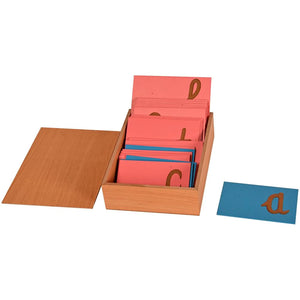
Research shows that children in Montessori environments often demonstrate advanced social and academic skills. Materials like the Pink Tower or Sandpaper Letters are renowned for building foundational skills in mathematics and literacy through concrete, sensorial experiences. This methodology, with its focus on practical life skills and respect for the child's innate capabilities, resonates deeply with the cultural values of self-reliance and lifelong learning cherished in Indian homes.
Selecting Educational Toys by Age Group
Understanding what works best at each stage helps tailor your toy choices for maximum impact on cognitive and language skills.
0-18 Months: Sensory Exploration and Early Interaction
For infants, focus on toys that stimulate senses safely: soft rattles, high-contrast visual cards, textured balls, and unbreakable mirrors. These encourage tracking, grasping, and early sound recognition. Engaging in tummy time with these items strengthens neck muscles and promotes spatial awareness, crucial for future milestones.
18 Months - 3 Years: Language Burst and Practical Life
This is a period of rapid language acquisition. Toys like chunky puzzles, nesting cups, simple shape sorters, and animal figures encourage vocabulary expansion and descriptive language. Practical life materials, such as pouring activities or buttoning frames, develop fine motor skills and independence, laying the groundwork for self-care.
3-5 Years: Pre-Reading, Math, and Social Play
Children in this age group benefit from toys that introduce pre-literacy and pre-math concepts. Alphabet blocks, number puzzles, sorting games, and building sets are ideal. Dolls, play kitchens, and doctor kits facilitate imaginative play and social interaction, helping children understand roles and develop empathy, which is vital in a joint family setting.
5-8 Years: Advanced Concepts and Collaborative Learning
For school-aged children, look for educational toys that encourage complex problem-solving, strategic thinking, and collaborative play. Board games, science kits, advanced building sets, and map puzzles stimulate critical thinking and enhance social skills. These toys support academic learning and prepare children for the structured environment of Indian schools.
Beyond the Toy: Creating a Rich Learning Environment at Home
While the right educational toys are powerful, they are most effective when integrated into a supportive and stimulating home environment. Encourage grandparents to share stories and traditional games. Create dedicated play areas. Most importantly, engage with your child during play, asking open-ended questions and providing descriptive language. This holistic approach, blending quality materials with active parental involvement, ensures children receive comprehensive cognitive and language nourishment, preparing them not just for school but for life itself.
- Choosing educational toys carefully directly impacts a child's cognitive and language development from birth to eight years.
- Open-ended, age-appropriate toys are crucial for fostering creativity, problem-solving, and independence.
- Excessive screen time negatively affects children's social development, communication, and literacy skills, making hands-on toys essential.
- Montessori educational toys promote self-directed learning and deep understanding through concrete, purposeful materials.
- Toys that encourage verbal interaction and imaginative play significantly boost language acquisition and communication abilities.
- Safety and durability are non-negotiable, ensuring a safe and lasting learning experience for children.
Frequently Asked Questions About Educational Toys
What is the best age to introduce educational toys?
Educational toys can be introduced from birth, with age-appropriate options like high-contrast visual toys or soft rattles. The key is to select toys that align with a child's developmental stage, encouraging natural exploration and skill acquisition from infancy through early childhood.
How do Montessori educational toys differ from regular ones?
Montessori educational toys are designed with a specific pedagogical purpose, emphasizing self-correction, independent discovery, and concrete learning through manipulation. Unlike many conventional toys, they often focus on one concept at a time and are made from natural materials, encouraging concentration and deep engagement.
Can educational toys help with screen addiction?
Yes, high-quality educational toys offer compelling, hands-on alternatives to screen time, fostering active engagement rather than passive consumption. By providing stimulating, interactive experiences, they help children develop focus, creativity, and social skills that are often hindered by excessive digital exposure.
What kind of educational toys are best for language development?
Toys that encourage verbal interaction, storytelling, and imaginative play are excellent for language development. Examples include puppets, play kitchens, puzzles with identifiable objects, and materials like Montessori sandpaper letters, which link tactile experience with phonetic sounds.
Are wooden toys truly better than plastic ones for learning?
Wooden toys are generally preferred for their durability, natural feel, and aesthetic appeal, often contributing to a richer sensory experience. While not exclusively 'better' for learning, their quality encourages respect for materials and often aligns with the open-ended, child-led play central to Montessori principles.