Developmental Language Disorder India: Montessori & Teletherapy
For Indian parents navigating developmental language disorder India, a combined approach integrating effective teletherapy with home-based Montessori activities offers a robust pathway to support their child's communication skills. Research from 'Frontiers' highlights the proven efficacy of remote therapy, complementing the hands-on, self-directed learning that Montessori education provides. This holistic strategy empowers families to address language challenges directly, fostering growth within a familiar, nurturing environment.
Developmental Language Disorder (DLD) is a neurodevelopmental condition where children experience significant, persistent difficulties understanding and/or using spoken language without any clear biomedical cause. This matters because it can impact academic success, social interactions, and overall confidence from an early age. Indian parents can proactively support their child by understanding DLD and seeking appropriate interventions.
The Rise of Teletherapy for Language Disorder in India
The landscape of teletherapy language disorder treatment in India has seen significant advancements, offering accessible and effective solutions for families. Recent findings published in 'Frontiers' underscore the efficacy of tele-interventions for children with DLD, demonstrating comparable outcomes to traditional in-person sessions. This is particularly relevant in a diverse country like India, where geographical distances and travel constraints can often impede access to specialized care.
The success of initiatives like Punjab's Mission Aarambh, which leverages digital platforms to reach over 1.6 lakh parents and strengthen early childhood learning, further highlights India's embrace of digital solutions for educational and developmental support. This shift towards digital engagement provides a crucial framework for teletherapy, ensuring more children across the nation can receive timely and consistent early intervention language delay support.
Montessori Language Activities DLD: Complementing Therapy at Home
While teletherapy provides professional guidance, the home environment plays an indispensable role in reinforcing learning for children with DLD. Montessori education, with its emphasis on hands-on, experiential learning, offers a wealth of Montessori language activities DLD children can engage with daily. These activities are designed to naturally enhance vocabulary, phonological awareness, and expressive language skills.
Maria Montessori's philosophy promotes self-directed learning, allowing children to work at their own pace and build confidence through repetition and mastery. For a child with DLD, this structured yet flexible approach reduces pressure and makes learning enjoyable. Engaging with materials like sandpaper letters helps children associate sounds with symbols, while the movable alphabet empowers them to construct words and sentences concretely, bridging the gap between spoken and written language.
Practical Montessori Approaches for Speech Therapy at Home India
Integrating Montessori principles into speech therapy at home India involves creating a prepared environment where language learning is woven into daily life. Parents can utilize specific Montessori materials to reinforce concepts learned during teletherapy sessions. For instance, classifying objects by initial sound or category directly supports vocabulary expansion and auditory discrimination, which are critical for DLD children.
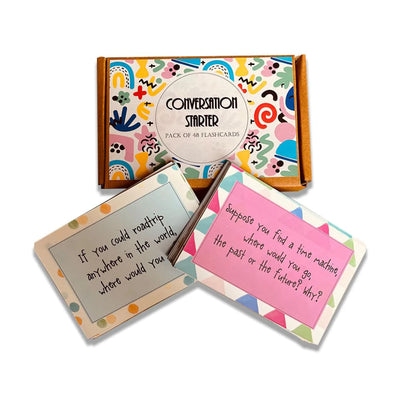
Everyday interactions, such as describing actions during cooking or narrating stories about family festivals, become opportunities for language practice. Child development experts agree that a language-rich home environment, where communication is valued and encouraged, significantly boosts a child's progress. Simple activities like naming fruits and vegetables during a trip to the local market or discussing the steps involved in preparing a traditional meal strengthen descriptive language and sequencing skills.
Educational Toys for DLD: Tools for Tangible Progress
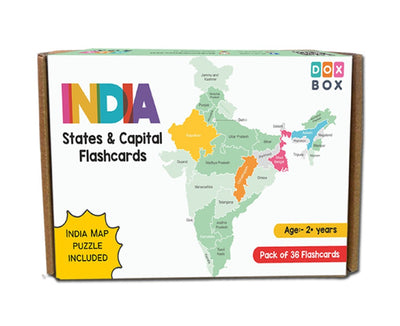
SkilloToys.com offers a curated range of educational toys for DLD that are perfectly aligned with Montessori principles. These toys are not just for play; they are purposeful tools designed to develop specific language skills. For example, our Montessori puzzles, which range from simple shape sorters to complex geographical maps, encourage problem-solving and vocabulary related to spatial awareness and specific names. Such materials help children learn new words in context and develop logical thought processes crucial for language organization.
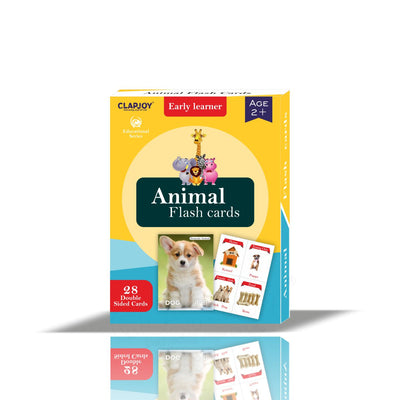
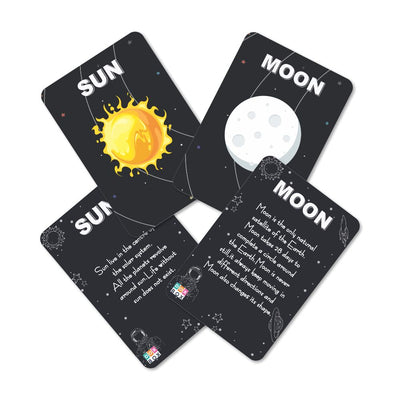
Materials like phonetic reading blocks, picture-word matching cards, and storytelling sets provide concrete ways for children to explore sounds, words, and narrative structures. These tangible tools reduce the abstract nature of language, making it more accessible for children who struggle with verbal processing. Research indicates that multi-sensory approaches, a cornerstone of Montessori, are particularly beneficial for children with language challenges, engaging visual, auditory, and tactile senses simultaneously.
Creating a Supportive Ecosystem: The Indian Family Context
In the Indian family structure, with grandparents often playing an active role, there's a unique opportunity to create a robust support system for a child with DLD. Grandparents can engage children in traditional storytelling, reciting rhymes, and discussing family histories, which are rich sources of vocabulary and narrative development. These intergenerational interactions provide diverse linguistic exposure and emotional security.
Furthermore, managing school pressure while supporting a child with DLD requires a collaborative approach between parents, therapists, and educators. Providing a consistent and encouraging home environment, where learning is celebrated rather than forced, is paramount. The self-paced nature of Montessori learning reduces the stress associated with academic timelines, allowing children to build foundational skills at their own speed.
- Teletherapy in India is a proven, effective method for supporting children with Developmental Language Disorder (DLD), enhancing accessibility to expert care.
- Montessori principles offer a complementary home-based framework, providing hands-on activities that directly foster language development for DLD.
- Specific Montessori materials, such as sandpaper letters and movable alphabets, are invaluable tools for improving phonemic awareness and word building.
- A language-rich home environment, including daily conversations and reading, is crucial for reinforcing therapeutic gains in children with DLD.
- Early intervention for language delays is critical, with child development experts recommending assessment if concerns arise by 18-24 months.
- Educational toys from SkilloToys.com are designed to be purposeful learning tools, supporting vocabulary, phonological awareness, and narrative skills in a concrete manner.
What is Developmental Language Disorder (DLD)?
Developmental Language Disorder (DLD) is a neurodevelopmental condition where children have significant, persistent difficulties understanding and/or using spoken language without any clear biomedical cause like hearing loss or autism. It impacts daily communication, learning, and social interactions from an early age.
How effective is teletherapy for DLD in India?
Teletherapy has proven highly effective for DLD in India, offering accessible and consistent support, particularly for families in remote areas or with busy schedules. Recent research, including studies published in 'Frontiers,' highlights its efficacy in delivering targeted speech and language interventions, showing comparable outcomes to in-person sessions.
What Montessori activities help with language development for DLD?
Montessori activities that foster language development for DLD include sensory exploration with language objects, using sandpaper letters for phonemic awareness, and engaging with the movable alphabet for word building. Practical life activities also encourage communication through sequencing and verbalizing steps, enhancing vocabulary and sentence structure.
How can Indian parents support language development at home?
Indian parents can support language development at home by creating a language-rich environment, engaging in daily conversations, and reading aloud regularly. Integrating Montessori materials, encouraging storytelling during family gatherings, and providing a quiet space for focused activities like working with puzzles also makes a significant difference.
When should I seek early intervention for language delays?
Parents should seek early intervention for language delays if their child shows persistent difficulties in understanding or expressing language by 18-24 months, or if they notice their child is not meeting typical language milestones. Early identification and intervention are crucial for better long-term outcomes, as advised by child development experts.
Are Montessori toys suitable for children with DLD?
Yes, Montessori toys are highly suitable for children with DLD because they are self-correcting, hands-on, and encourage independent learning, which reduces frustration and builds confidence. Materials like phonetic reading blocks, nomenclature cards, and sequencing beads directly support the development of vocabulary, phonological awareness, and sentence structure in a concrete, engaging way. Explore our full range of Montessori learning materials to find the perfect tools for your child's journey.