Digital Platforms for Early Childhood Learning: A Parent's Guide
Empowering parents to effectively use digital platforms for early childhood learning is a transformative approach to modern education, strengthening foundational cognitive and language skills. Research indicates that when carefully selected and mediated, digital resources can significantly enhance a child's learning journey, moving beyond passive consumption to active engagement.
As India witnesses inspiring initiatives like Punjab's Mission Aarambh, reaching 1.6 lakh parents to bolster early childhood learning through digital means, many Bengaluru parents wonder how they too can harness this potential. The goal isn't to replace hands-on Montessori experiences, but to thoughtfully integrate digital tools as powerful allies in your child's development, especially for enhancing intellectual and linguistic abilities.
What are Digital Platforms for Early Childhood Learning in a Montessori Context?
Digital platforms for early childhood learning encompass educational apps, online courses for parents, virtual communities, and curated video content designed to support a child's developmental milestones. This matters because it extends the Montessori concept of a 'prepared environment' into the digital realm. Indian parents can actively select and introduce digital resources that align with Montessori principles of self-directed, purposeful learning.
Cultivating a Montessori-Aligned Digital Environment at Home
Just as Maria Montessori advocated for a thoughtfully prepared physical environment, parents can create a 'prepared digital environment' for their child. This involves conscious curation, selecting resources that foster concentration, independence, and a love for learning. For instance, instead of cartoons, a 3-year-old in a Chennai home might engage with an app teaching geometric shapes or a video showing traditional Indian crafts.
Studies indicate that active engagement, where a child interacts with content rather than passively watches, is key to developmental benefits. Parental guidance in choosing high-quality, ad-free educational apps that encourage problem-solving and critical thinking is paramount. Think of it as carefully selecting materials for their cognitive value, just as you would choose a set of Montessori puzzles for logical reasoning.
Finding Your Tribe: Online Montessori Parent Communities in India
The journey of parenting, especially with specific educational philosophies like Montessori, often benefits from shared experiences. Online communities dedicated to Montessori parent digital resources offer invaluable support. Platforms like Facebook groups for 'Montessori at Home India' or regional WhatsApp groups for parents in Bangalore or Delhi allow for sharing ideas, asking questions, and discovering locally relevant resources.
These communities provide a space for parents to discuss everything from integrating vernacular language apps to finding free printable Montessori materials online. Connecting with fellow parents helps demystify certain approaches and builds a robust support system, particularly for those in joint families where different generations might have varying views on digital engagement.
Resources at Your Fingertips: Montessori Parent Digital Resources for Skill Development
Digital platforms excel at providing diverse resources to hone cognitive and language skills. For cognitive development, consider apps that introduce early math concepts through engaging visuals or interactive storytelling platforms that challenge a child's memory and sequencing. Many platforms now offer content in various Indian languages, allowing a child like 4-year-old Rohan in Mumbai to explore stories in Marathi or Hindi, strengthening his mother tongue alongside English.
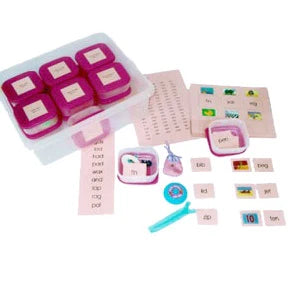
For language development, look for applications that introduce phonetics, sight words, or even interactive songs and rhymes. Experts agree that a rich linguistic environment is crucial, and digital tools can supplement real-world conversations and book reading. Parents can use these digital tools to introduce concepts and then follow up with hands-on activities using physical Montessori language materials, reinforcing learning.
Strengthen Early Learning at Home with Digital Platforms: Practical Application
Integrating digital platforms into your child's learning routine requires intentionality. Set clear boundaries for usage, treating digital time as a focused learning session rather than unstructured entertainment. For example, a 15-minute session with an educational app on animal classification can be followed by an outdoor walk to spot those animals, or an art activity creating them.
Parental support digital tools for learning extend beyond direct child-facing apps. Many online platforms offer workshops or guides for parents on how to present Montessori activities at home, or even how to craft DIY materials. This empowers parents to be active participants and facilitators, bridging the digital learning with tangible experiences. Remember, the core of Montessori is observing your child and responding to their interests, which can be sparked digitally and explored physically through materials from our main collection.
Addressing Indian Context: Balancing Tradition with Digital Progress
In the vibrant tapestry of Indian family life, where grandparents often play a pivotal role, integrating digital learning requires sensitive navigation. Explaining the 'why' behind curated digital use – that it's for purposeful learning, not just idle screen time – can help bridge generational perspectives. For many Indian families, digital platforms also offer a way to connect children with cultural heritage through stories, songs, and virtual tours of historical sites, even when physical access is limited.
The rise of online early childhood education India for parents means access to a wealth of information previously unavailable, democratizing Montessori principles for more households. This isn't about forsaking the wisdom of our elders or the richness of traditional play; it's about thoughtfully adding a new, powerful layer to a child's prepared environment, ensuring they are well-equipped for a digitally fluent future while rooted in their cultural heritage.
- Digital platforms offer curated resources for enhancing Montessori cognitive and language skills.
- Parental guidance is crucial in transforming digital use from passive consumption to active learning.
- Online communities connect Indian parents, fostering shared learning and support for Montessori at home.
- The 'prepared digital environment' is an extension of traditional Montessori principles for the modern age.
- Research shows active engagement with digital tools can support skill development when well-chosen.
- Integrating digital resources thoughtfully can bridge learning gaps and supplement physical Montessori materials.
How can I ensure digital content is Montessori-aligned?
Montessori-aligned digital content is typically self-correcting, offers focused learning, and promotes concentration rather than overstimulation. Look for apps and videos that encourage active engagement, problem-solving, and independent exploration, mimicking the qualities of physical Montessori materials.
What kind of digital platforms are best for language development in young children?
Platforms offering interactive stories, bilingual apps with clear pronunciation, or virtual tours of places where new vocabulary is introduced are highly effective. Many Indian-centric apps now offer folk tales or rhymes in various regional languages, enriching a child's linguistic environment.
How much screen time is appropriate when using digital platforms for learning?
Child development experts, including the Indian Academy of Pediatrics, recommend very limited screen time for toddlers and short, supervised bursts for preschoolers. Focus on quality over quantity, using digital tools as a supplementary resource for specific learning goals, rather than prolonged entertainment.
Where can Indian parents find online Montessori communities?
Indian parents can find online Montessori communities on platforms like Facebook groups, WhatsApp circles focused on early childhood education, and parenting forums. These groups often share local resources, activity ideas, and provide peer support, especially valuable in diverse cultural contexts.
Can digital platforms truly replace physical Montessori materials?
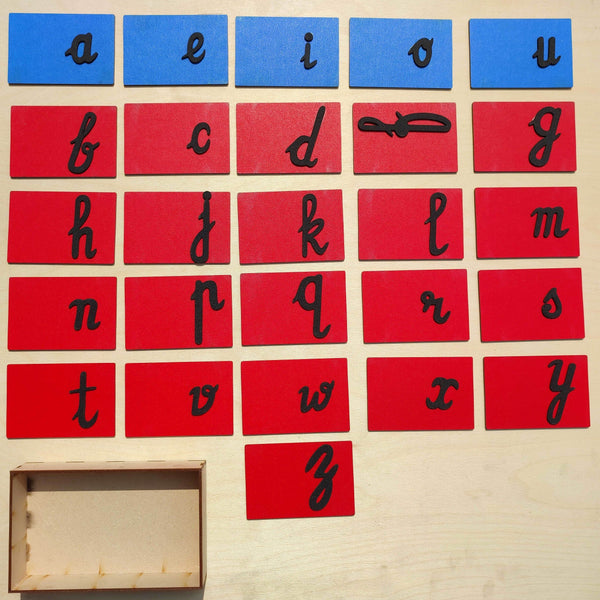
No, digital platforms cannot fully replace the tactile, multi-sensory experience offered by physical Montessori materials like the pink tower or sandpaper letters. Digital tools serve as valuable complements, providing accessibility and diverse exposure, but hands-on interaction remains fundamental for concrete learning.