Early Childhood Learning at Home: Montessori Insights for Parents
The recent success of Punjab’s Mission Aarambh, connecting 1.6 lakh parents and strengthening early childhood learning through digital platforms, underscores a crucial truth: parental involvement is paramount for a child's foundational development. SkilloToys stands as a beacon for Indian families, empowering you with Montessori insights to enrich early childhood learning at home, fostering robust cognitive and language skills right from infancy.
Mission Aarambh: Catalysing Parental Involvement in Early Learning
The groundbreaking strides of Mission Aarambh, widely reported by sources like Awaz The Voice and The Statesman, highlight a powerful shift towards parental empowerment in early education. This initiative reflects a growing national understanding that a child’s home environment, nurtured by engaged parents and a supportive family, is the first and most influential classroom. Research consistently shows that strong parental involvement significantly correlates with higher academic achievement and better social-emotional development in children.
In the vibrant tapestry of Indian homes, where joint families often provide a rich network of support, this involvement can be amplified. Grandparents, aunts, and uncles naturally become part of a child’s learning journey, sharing stories, traditions, and a wealth of lived experience. SkilloToys believes in harnessing this collective family energy to create stimulating environments that support every child's potential.
What is Montessori Home Learning?
Montessori home learning is an educational philosophy where parents create a prepared environment that fosters independence, self-directed activity, and hands-on learning, mirroring the principles developed by Dr. Maria Montessori. This matters because it respects the child's innate drive to learn, building concentration, coordination, and a love for discovery from an early age. Indian parents can adapt this method to their homes, encouraging their child's natural curiosity and cognitive growth.
Empowering Cognitive Development Activities at Home
Cognitive development is the construction of thought processes, including remembering, problem-solving, and decision-making. For young children, this unfolds through sensory experiences and purposeful activities. Studies indicate that early exposure to structured play significantly enhances neural pathways responsible for critical thinking.
Montessori principles guide us to offer concrete experiences that build abstract understanding. Simple activities like sorting objects by colour or size, stacking blocks, or engaging with puzzles develop spatial reasoning and logical sequencing. For toddlers aged 18-24 months, an object permanence box teaches cause-and-effect and the concept that objects still exist even when unseen. Older children can benefit from materials like the Binomial or Trinomial Cubes, which introduce complex mathematical concepts through manipulation.
Creating a 'prepared environment' means having these materials accessible to the child, encouraging them to choose and explore independently. This autonomy builds self-confidence and an intrinsic motivation to learn, preparing them not just for school but for life’s challenges. SkilloToys offers a curated selection of Montessori Method Learning Materials designed to precisely target these cognitive milestones.
Nurturing Language Development Activities at Home
Language is the cornerstone of human connection and cognitive expression. The early years (0-6) are a sensitive period for language acquisition, with children absorbing words and grammatical structures with remarkable ease. Research shows that children exposed to a rich verbal environment develop stronger vocabulary and communication skills.
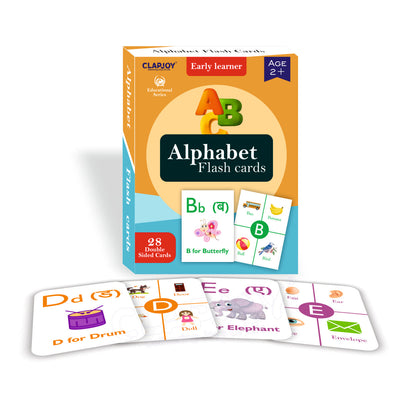
In Indian homes, children often grow up exposed to multiple languages, which is a significant cognitive advantage. To foster language development activities at home, consistent verbal interaction is key. Speak to your child, describe your actions, sing songs, and read aloud daily – perhaps from a traditional folk tale in your native tongue. Montessori materials like Sandpaper Letters introduce phonetic sounds tactilely, linking sound to symbol. The Movable Alphabet allows children to build words and sentences before they can physically write.
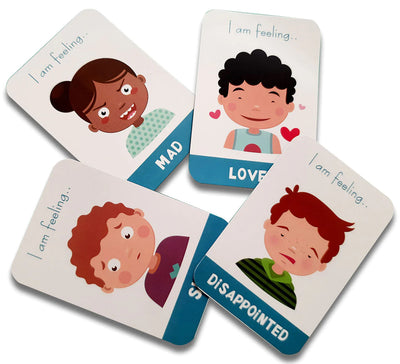
Encourage conversations, listen actively, and provide opportunities for your child to express their thoughts and feelings. Simple activities like naming objects in the kitchen or describing scenes during a walk through a Bengaluru park significantly enrich their vocabulary and understanding of the world.
Integrating Montessori Principles into Indian Family Life
Adapting Montessori to an Indian home means embracing its spirit of independence and respect for the child within your cultural context. It doesn't require a complete overhaul, but rather mindful choices. Dedicate a small, child-friendly space for learning materials, perhaps a low shelf in the living room, making it an inviting area for your child's 'work.'
Involve your child in daily chores, a core Montessori principle known as 'Practical Life' activities. Whether it's helping set the table for a family meal, watering plants in the balcony garden, or dusting a shelf, these tasks build coordination, concentration, and a sense of belonging. This approach naturally aligns with the strong community and family values often found in Indian households, where children traditionally participate in family life from a young age.
Celebrate festivals like Diwali or Holi by involving your child in preparations, explaining the cultural significance. This hands-on, sensory-rich learning experience is deeply Montessori and connects them to their heritage. SkilloToys provides tools that support this journey, allowing children to learn through exploration and discovery.
- Parental involvement is crucial for robust early childhood learning, as highlighted by initiatives like Mission Aarambh.
- Montessori home learning empowers children by fostering independence and self-directed activity in a prepared environment.
- Cognitive development is best supported through hands-on, sensory-rich activities that encourage problem-solving and logical thinking.
- A rich language environment, including consistent verbal interaction and specific materials, is vital for strong language acquisition in early childhood.
- Montessori principles are adaptable to Indian homes, promoting practical life skills and cultural learning within family settings.
- Early childhood (0-6 years) is the most critical period for brain development and skill acquisition, establishing lifelong learning foundations.
What is Mission Aarambh?
Mission Aarambh is a significant initiative by Punjab focused on strengthening early childhood learning across the state. It emphasizes connecting with 1.6 lakh parents through digital platforms to empower them in their child's educational journey.
How can I support my child's cognitive development at home?
You can support cognitive development at home by offering opportunities for problem-solving, sensory exploration, and classification activities. Montessori principles suggest using age-appropriate materials that encourage independent discovery and logical thinking.
What are effective language development activities for young children?
Effective language development activities include consistent verbal interaction, reading aloud, storytelling, and introducing phonetic awareness through games. Creating a rich language environment at home, where children are encouraged to express themselves, is crucial.
Can Montessori principles be adapted for joint families in India?
Yes, Montessori principles are highly adaptable to joint family settings in India. The focus on a 'prepared environment' can involve designated learning spaces, and the emphasis on respect for the child naturally extends to all family members, including grandparents, participating in their development.
At what age should I start focusing on early childhood learning at home?
Child development experts agree that early childhood learning begins from birth, with the most critical period for brain development being 0-6 years. Implementing supportive practices from infancy lays a strong foundation for future cognitive and language skills.