Educational Toys: A Developmental Guide for 0-8 Years
Selecting the right educational toys is fundamental for nurturing cognitive and language skills in children from birth to eight years, especially given India's renewed focus on Early Childhood Care and Education (ECCE). This guide empowers parents to align play materials with specific developmental milestones, ensuring each toy meaningfully contributes to a child's intellectual growth and communication abilities within diverse Indian family settings. Research shows that thoughtful engagement with appropriate toys can significantly enhance a child's foundational learning, a principle echoed in national initiatives like Punjab's Mission Aarambh, which strengthens early childhood learning.
Educational toys are carefully designed play materials that stimulate a child's innate curiosity and facilitate skill acquisition across various developmental domains. This matters because the early years are critical for brain development, with 90% of brain growth occurring by age five. Indian parents can actively support this foundational learning by choosing toys that encourage exploration, problem-solving, and linguistic expression.
Why Thoughtful Educational Toy Choices Matter for Indian Families
Choosing the right educational toys goes beyond mere entertainment; it's a strategic investment in a child's future, aligning perfectly with India's increasing emphasis on Early Childhood Care and Education (ECCE). This national focus, highlighted by calls for technical support in ECCE initiatives, underscores the critical role parents play in fostering early development. For families in Bengaluru and across India, thoughtful toy selection can bridge developmental gaps, support diverse learning needs—including children with conditions like Down Syndrome, as noted by The Times of India—and prepare children for school success.
In many Indian homes, particularly joint families, play often involves multiple generations. Grandparents, or dadi and nani, naturally engage children with traditional rhymes, stories, and simple games, which are inherently rich in language and cognitive stimulation. High-quality educational toys complement this cultural richness, offering structured yet open-ended experiences that deepen learning. They empower children to become active participants in their own development, cultivating crucial skills needed for a rapidly evolving world.
The Formative Years: Educational Toys for 0-12 Months (Cognitive & Language Foundations)
In their first year, babies are sensory explorers, absorbing the world through sight, sound, touch, and taste. Their cognitive and language skills are nascent, focusing on basic cause-and-effect, object permanence, and pre-linguistic sounds like cooing and babbling. Child development experts agree that rich sensory input and responsive interaction are paramount during this period.
Montessori-aligned toys for this age, such as black-and-white visual mobiles, soft rattles, and textured sensory balls, engage infants' developing senses. These materials encourage visual tracking, grasping reflexes, and early auditory discrimination, laying the groundwork for more complex cognitive processes. For instance, a simple wooden rattle teaches cause-and-effect as the baby learns their action creates sound, a fundamental cognitive leap. Within an Indian context, a baby hearing their dadi sing traditional lullabies while gently shaking a rattle experiences a multi-sensory language immersion that enhances auditory processing.
Emerging Minds: Educational Toys for 1-3 Years (First Words & Problem Solving)
The toddler years are a whirlwind of growth, marked by first steps, a vocabulary explosion, and burgeoning independence. Children begin to understand simple instructions, identify objects, and engage in basic problem-solving. They move from single words to two- and three-word phrases, reflecting significant cognitive and language advancements.
At this stage, stacking rings, shape sorters, nesting dolls, and chunky puzzles are invaluable cognitive development toys. These classic Montessori-inspired materials challenge a child's spatial reasoning, fine motor skills, and logical thinking. For language development, picture books featuring familiar objects, animals, and family members are crucial. Encouraging a child to name items in a book or point to parts of their body while learning the corresponding words in Hindi or their regional language significantly expands their vocabulary. Simple wooden blocks from the Montessori collection allow for early construction and imaginative play, where a tower becomes a "ghar" (home) for their toy elephant.
Building Blocks of Thought: Educational Toys for 3-6 Years (Pre-Primary & Language Development)
As children approach pre-primary school, their cognitive abilities become more sophisticated, encompassing categorization, sequencing, and imaginative play. Language skills rapidly advance, with children forming complex sentences, asking "why" endlessly, and starting to tell their own stories. This period is vital for fostering a love of learning before formal schooling.
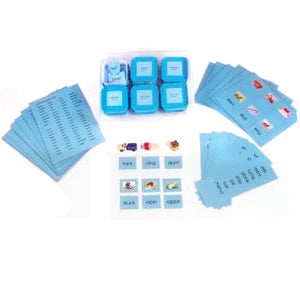
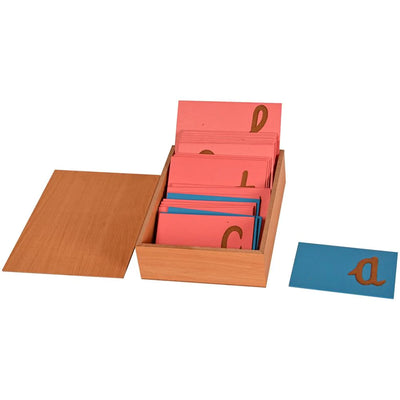
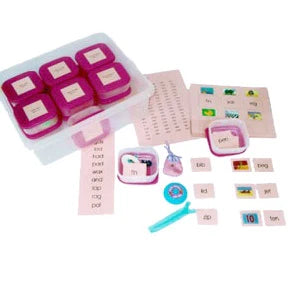
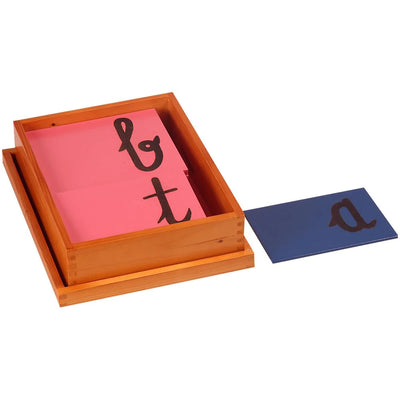
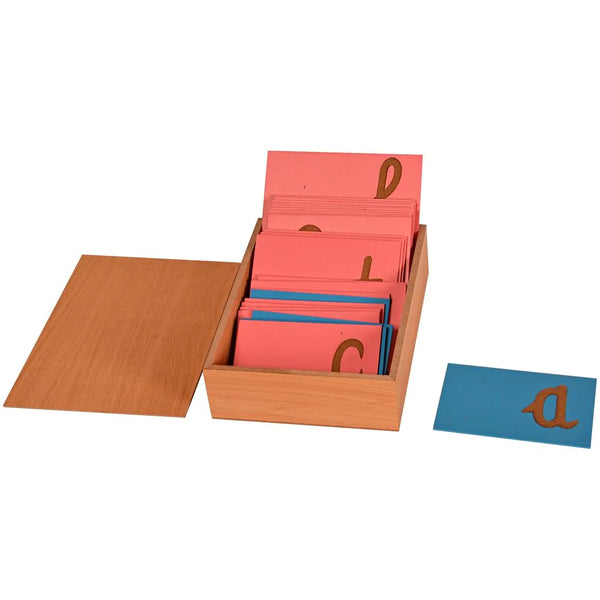
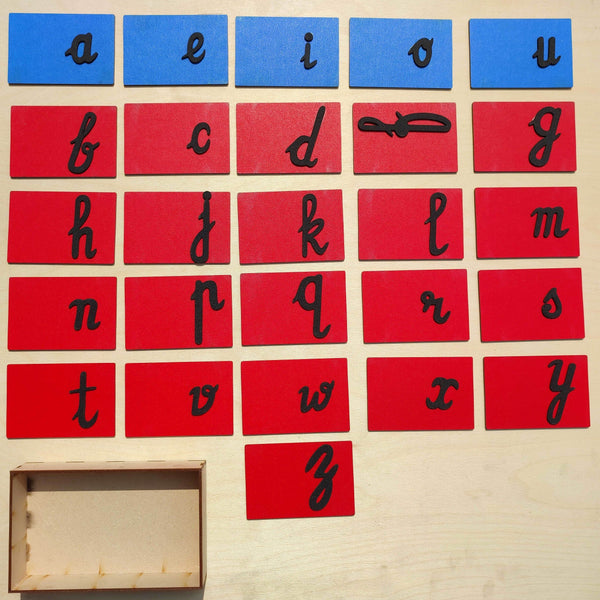
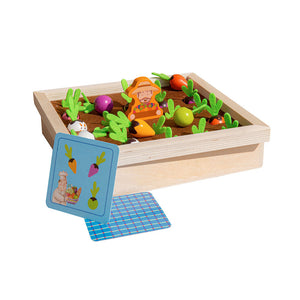
For cognitive development, pattern blocks, lacing beads, and more complex jigsaw puzzles hone fine motor skills, concentration, and problem-solving. These are excellent developmental milestones toys that prepare tiny hands and minds for writing and arithmetic. For language, Montessori sandpaper letters and the movable alphabet are exemplary language development toys. They offer a multi-sensory approach to letter recognition and early word formation. Parents can encourage imaginative play with pretend play sets (like a mini vegetable market or a doctor's kit), where children naturally develop narrative skills and social language. A child in Bengaluru might use their play kitchen to "cook" a festival meal, narrating the steps and ingredients, thereby integrating cultural experiences with language practice.
Expanding Horizons: Educational Toys for 6-8 Years (Abstract Thinking & Literacy)
By ages 6-8, children are typically in primary school, grappling with reading, writing, and basic mathematics. Their cognitive skills extend to logical reasoning, abstract concepts, and sequential thinking. Language becomes a tool for expressing complex ideas, understanding different perspectives, and engaging in more nuanced conversations.
For this age, science kits, advanced puzzles, and strategy-based board games are excellent cognitive development toys. They challenge children to think critically, experiment, and strategize. Globest, comprehensive book sets, and journal writing materials become important language development toys, fostering reading comprehension, vocabulary expansion, and written expression. Encourage your child to describe their school day in detail or invent stories about characters from Indian mythology. The emphasis here shifts from concrete manipulation to abstract understanding, where games like chess or a nature exploration kit encourage hypothesis testing and problem-solving, skills directly applicable to their academic journey.
Beyond the Toy Box: Cultivating a Rich Learning Environment at Home
While selecting the right Montessori toys 0-8 is crucial, true cognitive and language development thrives in a supportive, interactive home environment. As India continues to strengthen its ECCE framework, parental involvement remains the cornerstone of early learning. It's not just about what toys a child has, but how they engage with them and the adults around them.
Observe your child during play: Are they absorbed? Frustrated? What questions do they ask? Allow them space to explore and make mistakes, offering gentle guidance rather than immediate solutions. Encourage descriptive language during daily activities – "Tell me about the hot, crispy dosa you're eating." or "What shiny, red truck is that?" Storytelling, a cherished Indian tradition often shared by grandparents, is a powerful language booster. Instead of generic advice, try this specific action tonight: during dinner, ask your 4-year-old to describe their favourite part of the day using three descriptive words. This simple practice builds vocabulary and encourages narrative structure, proving that the most impactful educational experiences often extend far beyond any single toy.
- Educational toys are vital for cognitive and language development from birth to eight years, especially within India's ECCE focus.
- The early years (0-5) are critical, with 90% of brain growth occurring, making thoughtful toy selection highly impactful.
- Montessori principles emphasize simple, open-ended materials that encourage active learning and exploration.
- Age-appropriate toys directly support specific developmental milestones, from sensory exploration to abstract reasoning.
- Language development is boosted through interactive play, storytelling, and exposure to rich vocabulary in mother tongues and English.
- A supportive home environment, with engaged adults and opportunities for descriptive communication, magnifies the impact of educational toys.
What are the best educational toys for a 2-year-old in India?
For a 2-year-old in India, the best educational toys include chunky puzzles, shape sorters, wooden blocks, and picture books. These items foster early problem-solving, fine motor skills, and vocabulary expansion, supporting their rapid language acquisition in a multi-lingual home environment.
How do Montessori toys help with language development?
Montessori toys aid language development by providing concrete experiences that connect words to concepts. Materials like sandpaper letters and the movable alphabet offer tactile learning of phonetics and word construction, while practical life activities encourage descriptive language and sequencing during real-world tasks.
At what age should I introduce puzzles for cognitive development?
You can introduce simple puzzles for cognitive development as early as 12-18 months, starting with single-piece knob puzzles. As children grow, progress to 2-4 piece puzzles (18-24 months) and then multi-piece jigsaw puzzles (3-6 years), gradually increasing complexity to challenge their spatial reasoning and problem-solving skills.
Are electronic toys good for cognitive and language skills?
While some electronic toys offer specific learning apps, excessive use can hinder natural cognitive and language development. Open-ended, non-electronic educational toys often encourage more active imagination, problem-solving, and verbal interaction, which are crucial for robust brain development and communication skills.
How can I encourage my child to use new vocabulary from their toys?
Encourage your child to use new vocabulary by engaging with them during play, asking open-ended questions like "What are you building?" or "Tell me about this animal." Model correct pronunciation and use descriptive words yourself, fostering a natural environment where new words are heard and practiced.