Educational Toys: Choosing for Cognitive & Language Development (0-8)
Choosing the right educational toys is crucial for stimulating a child's cognitive and language development from birth to eight years, providing foundational experiences that shape future learning. Parents in India can effectively support their child's intellectual growth by selecting age-appropriate Montessori-inspired materials that encourage self-directed exploration and skill acquisition.
Understanding how to choose educational toys involves assessing materials that align with a child's developmental stage, fostering natural curiosity and skill progression. This matters immensely because purposeful play builds critical neural pathways essential for problem-solving, memory, and communication. Indian parents can empower their children by focusing on open-ended, child-led learning tools.
The Power of Play for Cognitive Growth: Montessori Toys for Cognitive Development
Child development experts agree play is the primary vehicle for early learning. Research shows children engaging with purpose-driven educational toys score higher in cognitive assessments than those with entertainment-focused playthings. For Indian families, facing early academic pressures, high-quality educational toys make learning a joyful, natural process.
Dr. Maria Montessori's philosophy emphasizes hands-on, self-directed learning, particularly effective for cognitive development. Her approach views the child as capable and driven to learn, with materials designed to isolate concepts and promote problem-solving. These naturally support concentration, memory, and logical thinking skills.
Selecting Educational Toys for Cognitive Development (0-8)
0-12 Months: Sensory Exploration & Early Object Permanence
Infants learn through their senses. Soft rattles, high-contrast mobiles, and grasping items stimulate varied textures, sounds, and visuals, building early neural connections and spatial awareness. Ensuring toys are safe for mouthing is paramount for this age group.
12-24 Months: Practical Life & Problem-Solving
As toddlers gain independence, they desire understanding how things work. Simple puzzles, shape sorters, and stacking rings develop fine motor skills and cause-and-effect. Practical life activities, like transferring objects, build concentration and sequential thinking, often mirroring observed tasks in Indian households.
2-4 Years: Logic, Memory & Classification
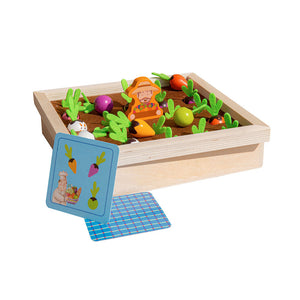
This age group thrives on exploration and categorization. Building blocks foster creativity and spatial reasoning; complex puzzles challenge logical thinking. Matching games, such as animal or colour sorting, strengthen memory and classification, foundational for pre-literacy and pre-numeracy.
4-8 Years: Abstract Thinking & Critical Analysis
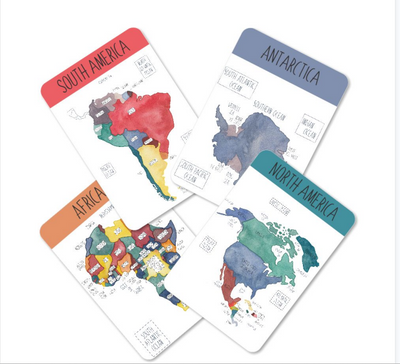
Children at this stage are ready for abstract concepts. Advanced Montessori materials such as the Pink Tower introduce dimension and order. Geography puzzles and science kits foster curiosity, encouraging critical thinking. This engagement supports academic readiness and a lifelong love for discovery, aligning with Indian educational values.
Fostering Articulation: Language Development Toys for Kids
Language development intertwines with cognitive growth, enabling children to articulate thoughts and connect with their environment. Studies from developmental psychology confirm that active, hands-on engagement with materials during the 0-8 age range boosts neural connectivity, enhancing problem-solving and language acquisition. This is highly relevant in multilingual Indian homes.
Montessori education provides a rich environment for language acquisition, focusing on precision and sensorial experiences that build vocabulary and phonetic awareness. From naming objects to constructing sentences, the materials naturally progress with the child's linguistic capabilities.
Choosing Educational Toys for Language Development (0-8)
0-12 Months: Sound & Speech Receptivity
Infants are highly receptive to sounds and voices. Soft picture books, musical instruments, and rattles with distinct sounds stimulate auditory processing. Engaging in conversations, narrating daily activities, and reading aloud, especially in a warm joint family setting, are crucial for laying language comprehension groundwork.
12-36 Months: Vocabulary & Communication
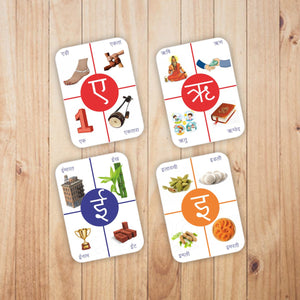
Toddlers rapidly expand vocabulary. Object baskets with miniature real-life items, animal figures, and sound boxes help children associate words with concrete objects. Story-telling cards encourage sequencing and narrative skills, while grandparents in Indian households often enrich vocabulary and cultural narratives.
3-6 Years: Reading & Writing Readiness
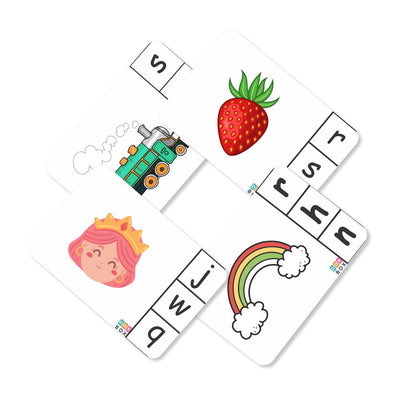
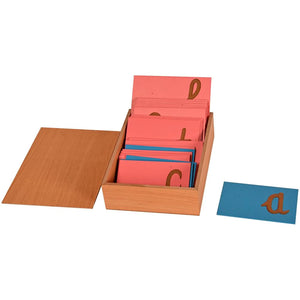
This is a sensitive period for language explosion. Sandpaper letters help children learn letter sounds through touch and sight. The Movable Alphabet allows phonetic word building before writing, fostering early literacy. Picture-word matching games further develop comprehension, preparing them for formal schooling.
6-8 Years: Advanced Language & Expression
As children enter primary school, they refine language use. Grammar symbols, classified nomenclature cards, and cultural exploration materials expand vocabulary and understanding of complex sentence structures. Encouraging creative writing and discussions about stories supports sophisticated language development, often inspired by news from The Times of India.
Holistic Choices: Key Principles for Selecting Educational Toys
Beyond age groups, several principles guide how to choose educational toys that truly benefit a child's cognitive and language journey. Prioritize open-ended materials for creativity and multiple uses over single-purpose gadgets. Toys made from natural materials, like wood or cotton, are durable, aesthetically pleasing, and tactilely stimulating.
Always consider safety and non-toxicity. The best educational toys empower children to learn independently, fostering concentration and self-correction. They should be challenging yet not frustrating, promoting accomplishment, and supporting every child's unique pace, including those with diverse learning needs like Down Syndrome.
Furthermore, remember your active engagement is the most valuable educational tool. Playing alongside your child, asking open-ended questions, and creating a supportive learning environment—whether in a bustling joint family or a quiet corner—amplifies any educational toy's benefits. As India Today emphasizes, play-based learning deserves equal footing with nutrition, highlighting its profound impact on a child's overall well-being and intellectual growth.
- Choosing educational toys specifically designed for cognitive and language development provides foundational learning experiences from 0-8 years.
- Montessori principles, emphasizing self-directed, hands-on learning, are highly effective for fostering concentration, problem-solving, and precise language.
- Age-appropriate selection of toys is crucial, aligning materials with a child's evolving developmental stages from sensory exploration to abstract thinking.
- Language development toys, like sandpaper letters and object baskets, build vocabulary, phonetic awareness, and communication skills vital for literacy.
- The best educational toys are open-ended, made from natural materials, and encourage independence, allowing children to learn through active exploration.
- Active parental and familial engagement, coupled with quality educational toys, significantly enhances a child's cognitive and linguistic growth in the Indian context.
What are educational toys for cognitive development?
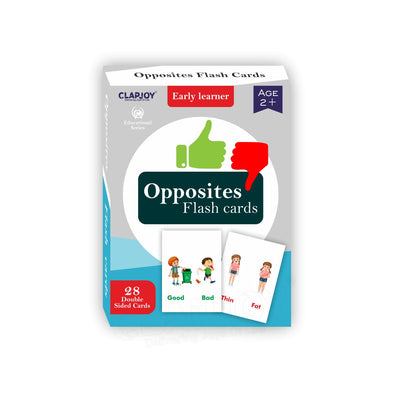
Educational toys for cognitive development are materials designed to stimulate a child's problem-solving skills, memory, logical reasoning, and critical thinking. These toys often involve puzzles, building blocks, and sensory activities that encourage active mental engagement.
How do Montessori toys aid language development?
Montessori toys foster language development by providing concrete, sensorial experiences that link objects to words and concepts. Materials like sandpaper letters and object baskets help children associate sounds with symbols and build vocabulary naturally.
At what age should I introduce educational toys to my child?
You can introduce simple educational toys from birth, focusing on sensory stimulation like mobiles and rattles for infants. As children grow, progressively more complex materials should be offered to match their developing cognitive and language abilities.
What makes an educational toy effective for Indian children?
An effective educational toy for Indian children is one that respects their developmental stage, promotes independence, and potentially incorporates elements familiar to their cultural context. Toys that encourage family interaction and discussions also enhance their learning experience.
How can I choose the best educational toys for my child's age group?
Choosing the best educational toys requires observing your child's interests and current developmental stage, ensuring toys offer an appropriate challenge without frustration. Prioritize open-ended materials that allow for multiple uses and encourage self-correction, fostering sustained engagement.