Educational Toys for Cognitive & Language Skills (0-8)
Choosing the right educational toys is paramount for a child's holistic growth, particularly in developing crucial cognitive and language skills. Research consistently demonstrates that hands-on, purposeful play profoundly impacts early brain development, shaping how children learn, think, and communicate.
As Indian parents navigate the digital age, with concerns about screen time impacting social development and communication, Montessori educational toys offer a powerful, proven alternative. These materials are specifically designed to nurture intellect and expression through engaging, self-directed exploration, from infancy to early childhood.
What are Montessori Educational Toys?
Montessori educational toys are learning materials developed based on Dr. Maria Montessori's philosophy, emphasizing self-directed activity, hands-on learning, and collaborative play. This matters because they allow children to learn at their own pace, fostering independence and a love for learning. Indian parents can confidently choose these toys to provide a stimulating environment that prepares children for academic success and life skills.
Nurturing Cognitive Growth with Montessori Toys
Montessori toys are meticulously crafted to stimulate cognitive development by engaging multiple senses and promoting logical thinking. They move beyond mere entertainment, offering structured challenges that build foundational understanding and problem-solving abilities.
Sensory Exploration for Early Brain Development (0-3)
For infants and toddlers, sensory exploration is the cornerstone of cognitive growth. Montessori materials like mobiles, rattles, and textured fabrics introduce concepts of size, shape, and sound. These experiences build neural pathways, crucial for later learning and help children understand their environment through touch, sight, and hearing.
The Pink Tower, a classic Montessori material, introduces grading and sequencing, laying early foundations for mathematical thought and spatial reasoning. Studies indicate that early sensory engagement significantly enhances cognitive flexibility and memory recall in young children.
Problem-Solving & Logical Thinking (3-6)
As children grow, their cognitive abilities demand more complex engagement. Materials like Knobbed Cylinders, Geometric Solids, and various puzzles challenge children to discriminate, sort, and match, developing fine motor skills alongside logical thinking. These activities require concentration and sequential thought, vital for school readiness.
Learning through self-correction, a core Montessori principle, allows children to identify and fix errors independently, building resilience and critical thinking. This prepares them not just for school entrance exams but for everyday challenges in a bustling Indian household.
Advanced Cognitive Challenges (6-8)
For older children, Montessori offers materials that delve into abstract concepts, geography, and advanced mathematics. These materials build upon earlier foundations, allowing children to explore complex ideas through concrete means. This helps develop advanced reasoning, planning, and memory skills.
Practical Life activities, like preparing snacks or setting the table, are not just about daily chores; they enhance executive functions, including organization, planning, and self-regulation. Child development experts agree that these skills are crucial for academic success and responsible citizenship.
Enhancing Language Skills Through Play
Montessori educational toys are instrumental in creating a language-rich environment, promoting vocabulary expansion, phonetic awareness, and effective communication. They move beyond rote learning, making language acquisition an interactive and joyful experience.
Building Foundational Vocabulary (0-3)
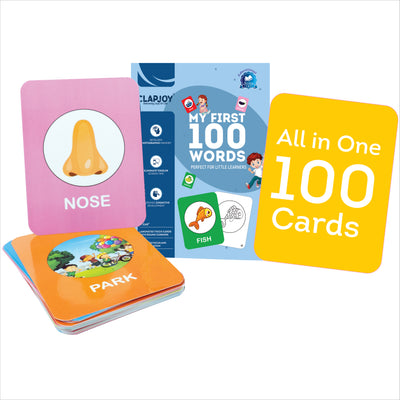
Even before children speak, they absorb language from their surroundings. Montessori materials like Nomenclature Cards, language objects, and picture matching activities provide concrete links between objects and their names. Parents and grandparents can use these to introduce a vast vocabulary, from common household items to specific animal names, making learning interactive.
This early exposure is particularly beneficial in multi-lingual Indian homes, helping children distinguish and articulate words in various languages. Research shows that a rich verbal environment in early years significantly boosts a child's linguistic abilities.
Developing Pre-Reading & Writing Skills (3-6)
Montessori excels in preparing children for reading and writing through tactile and sensory experiences. Sandpaper Letters allow children to feel the shape of letters while associating them with their sounds, a multisensory approach to phonics. The Moveable Alphabet helps children construct words before they can physically write.
These materials make the often-intimidating process of learning to read and write accessible and engaging, fostering a natural progression towards literacy. Instead of trying to swipe physical books, children are actively engaging with the letters themselves, developing vital fine motor skills for writing.
Fostering Communication & Expression (6-8)
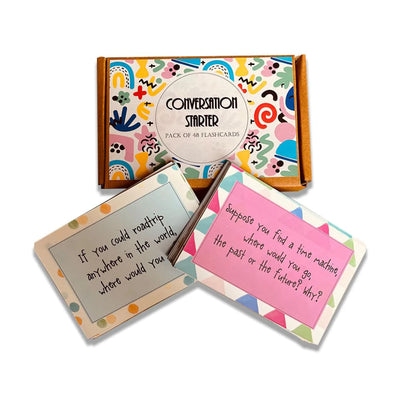
Beyond basic literacy, Montessori toys encourage children to articulate their thoughts, describe their work, and engage in meaningful conversations. Storytelling cards, command cards, and group activities naturally prompt children to express themselves, explain concepts, and negotiate with peers or elders.
This active communication is crucial for social development and effective interaction, providing a stark contrast to the passive consumption often associated with screens. It builds confidence in expressing ideas, a vital skill in school and beyond.
Addressing the Screen Time Challenge with Purposeful Play
The growing concern about touchscreen digital exposure impacting children's social development and communication is a pressing issue for Indian parents. Excessive screen time has been shown to impact children's brains, behaviour, and long-term health, often leading to reduced attention spans and communication challenges.
Montessori educational toys provide a powerful antidote. By offering engaging, hands-on, and developmentally appropriate activities, they draw children into real-world interactions. This active engagement fosters critical thinking, problem-solving, and communication skills that screens simply cannot replicate, ensuring a balanced and healthy development.
SkilloToys.com offers a curated selection of authentic Montessori materials that empower children to learn, grow, and thrive. We believe in providing the best tools for your child's journey, helping them build a strong foundation for future success, both academically and socially.
- Montessori educational toys are essential for developing strong cognitive and language skills from 0-8 years.
- These toys promote hands-on, self-directed learning, enhancing problem-solving and critical thinking.
- Specific materials like Sandpaper Letters and the Pink Tower target distinct developmental milestones.
- Montessori's sensory-rich approach is a powerful alternative to excessive screen time, supporting healthy brain development.
- Investing in these toys helps children build a robust vocabulary and develop pre-reading and writing abilities naturally.
- SkilloToys.com provides authoritative, science-backed Montessori materials for Indian families focused on holistic child development.
What makes Montessori toys effective for cognitive development?
Montessori toys are designed to be self-correcting, hands-on, and sensory-rich, allowing children to learn through exploration and discovery. This approach fosters independence, problem-solving, and a deep understanding of concepts.
How do Montessori toys specifically aid language development?
Montessori materials enhance language skills by providing concrete representations of abstract concepts, like Sandpaper Letters for phonics. They also encourage rich vocabulary through descriptive play and facilitate communication as children explain their activities.
At what age should I introduce Montessori educational toys?
Montessori educational toys can be introduced from birth, starting with simple sensory materials like mobiles and rattles. The focus shifts to practical life skills and sensory exploration for toddlers, gradually progressing to academic materials as they grow.
Can Montessori toys help reduce screen time for children?
Yes, Montessori toys offer engaging, hands-on alternatives that capture a child's attention and foster deep concentration. By providing purposeful activities, they naturally draw children away from passive screen consumption, promoting active learning.
Are Montessori educational toys suitable for joint families in India?
Absolutely. Montessori toys are durable and encourage collaborative play, making them ideal for homes with multiple children or intergenerational interactions. Grandparents can easily engage with children using these materials, fostering strong bonds.