Educational Toys for Kids: A Montessori Guide (0-8)
Educational toys for kids are purpose-designed tools that actively engage children in learning through play, fostering essential cognitive and language development. Research shows that early engagement with well-selected educational materials significantly impacts a child's brain architecture and foundational skills for lifelong learning. This guide provides Indian parents with definitive insights into selecting Montessori educational toys for holistic development from birth to eight years.
In the vibrant tapestry of Indian childhood, from the playful banter during festivals to the quiet moments with grandparents, every interaction is a learning opportunity. High-quality educational toys are not mere distractions; they are catalysts for intellectual growth, offering children the means to explore, question, and understand the world around them.
What are Montessori Educational Toys?
Montessori educational toys are carefully crafted materials designed by Dr. Maria Montessori to support a child's natural developmental stages and innate drive to learn. These self-correcting, hands-on tools encourage independence, concentration, and problem-solving. Indian parents can leverage these toys to cultivate a rich learning environment that respects their child's individual pace.
Why Montessori Educational Toys are Crucial for Cognitive & Language Development
Choosing the right educational path for a child is a priority for every Indian parent. Montessori educational toys stand out because they are grounded in a deep understanding of child psychology and brain development. Studies indicate that children engaged with structured play-based learning demonstrate stronger critical thinking and language acquisition skills than those in purely didactic environments, a finding echoed by recent discussions on play-based learning in India Today.
Fostering Robust Cognitive Development
Cognitive development toys from the Montessori approach are designed to build foundational skills such as concentration, memory, logic, and critical thinking. Materials like the Pink Tower or geometric solids offer concrete experiences that lead to abstract understanding. Children learn to classify, sequence, and analyze, laying strong groundwork for academic success.
Neuroscientific findings confirm that the first eight years are critical for developing cognitive frameworks, with approximately 80% of brain development occurring by age three. Providing children with materials that challenge and stimulate their minds through exploration and discovery is paramount during this crucial period. This ensures they develop not just knowledge, but also the mental processes to apply it.
Empowering Comprehensive Language Development
Language development toys within the Montessori framework are equally vital. From early exposure to sensorial language activities to the progressive use of sandpaper letters and reading schemes, children are systematically guided towards fluency and literacy. These materials help children connect sounds with symbols, build vocabulary, and understand sentence structure naturally.
Through rich language activities, often integrated with storytelling and cultural narratives, children develop strong communication skills. They learn to express themselves clearly and articulate complex thoughts, preparing them for effective social interaction and academic pursuits. This holistic approach ensures language acquisition is a joyful and integrated process.
Choosing the Best Educational Toys for Each Age Group (0-8)
Selecting the best educational toys 0-8 involves understanding the unique developmental milestones of each stage. Montessori materials are specifically graded to match a child’s readiness, ensuring optimal engagement and learning without frustration.
0-18 Months: Sensory Exploration and Foundational Movement
For infants and young toddlers, cognitive development toys focus on sensory stimulation and gross motor skills. This includes grasping toys, rattles, mobiles, and soft blocks. These materials aid in developing hand-eye coordination, object permanence, and a fundamental understanding of their physical world. Simple wooden objects and textured balls are ideal for this stage.
18-36 Months: Practical Life & Language Foundation
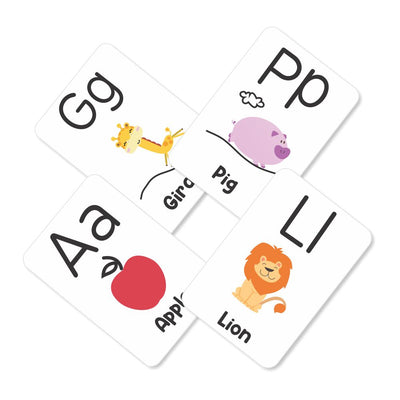
As toddlers gain independence, Montessori educational toys shift towards practical life activities and initial language exposure. Pouring, scooping, dressing frames, and simple wooden puzzles engage fine motor skills and concentration. Vocabulary cards and object-to-picture matching sets introduce new words and concepts, nurturing early language development toys for their rapidly expanding minds.
3-6 Years: Abstract Concepts & Communication
This is a pivotal stage for Montessori education. Children are ready for more complex cognitive development toys like the geometric cabinet, number rods, and the golden beads for mathematical concepts. For language development, materials such as sandpaper letters, movable alphabets, and phonics-based activities solidify reading and writing skills. These tools help children move from concrete understanding to more abstract reasoning.
6-8 Years: Advanced Reasoning & Literacy
At this age, children consolidate their foundational skills and delve into advanced concepts. Educational toys become tools for scientific exploration, geographical studies, and deeper mathematical understanding. Complex wooden puzzles, scientific experiment kits, and comprehensive reading materials challenge their reasoning abilities and foster a love for lifelong learning. They also encourage collaborative play and advanced communication.
Integrating Montessori Educational Toys into the Indian Home
Bringing Montessori principles into an Indian household involves thoughtful organization and a shared understanding within the family. Create a 'prepared environment' by dedicating a accessible, organized space for materials, perhaps in the living room or a child’s nook. This allows children to choose their activities independently, respecting their autonomy.
In joint families, grandparents often play a significant role. Involving them in understanding how to present materials or observe the child's engagement can create a harmonious learning environment. This approach supports holistic development, nurturing not just academic skills but also respect, responsibility, and a strong sense of self-reliance, vital for navigating life's challenges in India.
Addressing Common Parenting Concerns with Montessori
Indian parents often face unique pressures, from academic competition to the desire for their children to thrive socially. Montessori educational toys directly address these concerns by building intrinsic motivation and a strong foundation.
For instance, while school pressure can be intense, Montessori fosters a love for learning that extends beyond rote memorization, equipping children with problem-solving skills crucial for academic success. Furthermore, the self-directed nature of Montessori encourages independence, a valuable trait as children grow and face new challenges. It also promotes inclusivity, allowing children with diverse learning needs, as highlighted in discussions around cognitive and physical development, to flourish at their own pace.
- Educational toys are crucial for cognitive and language development, especially in the 0-8 age range.
- Montessori educational toys are self-correcting, hands-on materials that foster independence and concentration.
- Early engagement with structured play-based learning significantly impacts brain development and critical thinking.
- Montessori materials systematically support language acquisition, from sensorial activities to advanced literacy.
- Selecting age-appropriate Montessori toys ensures optimal engagement and builds foundational skills progressively.
- Integrating Montessori into an Indian home involves creating a prepared environment and engaging the entire family in the child's learning journey.
What is the primary benefit of Montessori educational toys for cognitive development?
Montessori educational toys fundamentally promote problem-solving, critical thinking, and independent learning through hands-on engagement. They are designed to be self-correcting, allowing children to discover solutions autonomously and build confidence in their cognitive abilities.
How do Montessori toys specifically aid language development in young children?
Montessori materials facilitate language development by providing concrete representations for abstract concepts, enriching vocabulary, and encouraging communication. Activities like matching objects to names, using sandpaper letters, and storytelling naturally build a strong linguistic foundation.
At what age should Indian parents introduce Montessori educational toys?
Montessori educational toys can be introduced from birth, starting with simple sensory materials that stimulate infants' senses and fine motor skills. As children grow, the complexity of materials evolves to match their developmental stage, supporting continuous learning up to eight years and beyond.
Are Montessori educational toys suitable for children with diverse learning needs?
Yes, Montessori education is inherently inclusive and highly adaptable, making its educational toys beneficial for children with diverse learning needs, including those requiring additional support. The self-paced and hands-on nature allows every child to engage at their own level and pace, fostering success and confidence.
How can I integrate Montessori educational toys into a typical Indian home environment?
Integrating Montessori toys involves creating a prepared environment with accessible, organized learning stations that align with the child's interests. This encourages independent play and learning, even within a joint family setting where grandparents can also engage meaningfully with the child's educational journey.