Educational Toys: Montessori Screen Time Alternatives (0-8)
Educational toys are definitive, research-backed alternatives to screen time, offering hands-on engagement crucial for a child's cognitive and language development from birth to eight years. As The Times of India recently highlighted the risks of screen addiction fueling cognitive issues, SkilloToys.com provides Montessori-aligned solutions that empower children with essential skills through tangible play, moving beyond the digital swipe towards genuine interaction and learning.
Hands-on learning is a pedagogical approach where children learn by doing, actively engaging with materials and their environment rather than passively observing. This matters immensely because active engagement builds stronger neural connections, crucial for problem-solving and communication. Indian parents can integrate this by choosing open-ended educational toys that encourage exploration and discovery at home.
The Screen Time Dilemma: Why Montessori Alternatives Matter for Indian Children
The urgency to find effective screen time alternatives for kids has never been greater. Recent reports, including one from The Times of India, reveal a concerning trend where one-third of US children try to 'swipe' physical books, indicating a loss of fundamental literacy skills due to digital exposure. Further studies, such as a systematic review in Frontiers, detail how touchscreen interactions negatively impact children’s social development and communication, while a Singapore study links maternal mental health to child depression risk, highlighting the broad spectrum of screen-related harms.
For Indian families, where strong family bonds and academic pressure are paramount, the stakes are even higher. Experts urge guidance to mitigate these risks, and Maria Montessori's philosophy offers a profound answer. Montessori principles emphasize self-directed activity, hands-on learning, and collaborative play, directly countering the passive, isolated nature of screen engagement. These methods are not just alternatives; they are foundational pathways to holistic development.
Nurturing Cognitive Growth with Montessori Educational Toys
Child development experts agree that cognitive development flourishes through active manipulation and exploration. Montessori educational toys are meticulously designed to foster these essential skills. For toddlers aged 18-36 months, simple wooden shape sorters and stacking rings enhance problem-solving and fine motor control, teaching cause and effect directly. These activities require focus and logical sequencing, building a robust foundation for future learning.
As children grow (3-6 years), more complex materials come into play. Intricate puzzles, like geometric shape puzzles or continent maps, challenge spatial reasoning and critical thinking. Research shows that children engaged in structured, hands-on learning demonstrate superior abilities in mathematics and science concepts. SkilloToys.com offers a curated range of Montessori cognitive development toys that transform playtime into powerful learning experiences, promoting concentration and independent thought vital for success in India's competitive academic landscape.
Building Strong Language Skills Beyond the Screen
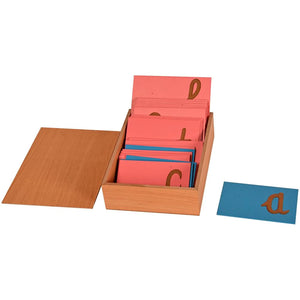
Language development is intrinsically linked to sensory experiences and rich verbal environments, something screens inherently limit. Instead of passively consuming content, language development toys encourage active participation. For instance, Montessori sandpaper letters provide a tactile way for children (3-6 years) to learn phonics, linking sound and shape through touch and sight. This multi-sensory approach is far more effective than digital flashcards.
Beyond specific materials, the power of storytelling and conversation ignited by physical toys is immense. Dolls, puppets, and role-play sets prompt children to create narratives, express emotions, and practice conversational skills with parents and grandparents. This natural back-and-forth interaction is crucial for expanding vocabulary, improving articulation, and developing strong narrative abilities. Studies indicate that children with consistent exposure to rich verbal environments and hands-on materials develop superior communication skills, essential for navigating both school and social interactions.
Practical Tips for Integrating Screen Time Alternatives
Integrating educational toys as primary screen time alternatives for Indian children requires thoughtful planning and consistency. Designate a 'no-screen' zone in your home, perhaps the living room where children can engage with a variety of kids learning toys. Involve grandparents in the process; their traditional stories and games are invaluable for language and cognitive stimulation. Establish clear routines, offering engaging play activities during times when children might typically reach for a screen, such as after school or during quiet afternoons. By providing rich, stimulating environments, parents can naturally reduce screen time for children, fostering a love for hands-on learning that benefits them for life.
- Educational toys are research-backed alternatives to screen time for children 0-8.
- Hands-on learning promotes stronger cognitive development and critical thinking than passive screen engagement.
- Montessori materials specifically enhance problem-solving, fine motor skills, and spatial reasoning.
- Physical toys and verbal interaction are crucial for developing robust language and communication skills.
- Reducing screen time requires proactive strategies like designated play zones and engaging educational toy options.
- Indian families can leverage joint family structures to enrich children's play and learning experiences.
Why are educational toys better than screen time for child development?
Educational toys provide crucial hands-on, multi-sensory experiences that screen time lacks, fostering stronger neural connections for cognitive and language development. They encourage active problem-solving, creativity, and social interaction, which are foundational for a child's holistic growth.
What specific Montessori toys help with cognitive development?
Montessori cognitive development toys like wooden puzzles, stacking blocks, shape sorters, and practical life materials are excellent choices. These items develop logical thinking, fine motor skills, spatial awareness, and concentration through self-directed, purposeful play.
How do learning toys improve language skills in young children?
Learning toys enhance language skills by encouraging verbal interaction, storytelling, and imaginative play. Materials like sandpaper letters, story cubes, and role-play sets provide concrete tools that help children associate sounds with symbols, expand vocabulary, and develop narrative abilities through real-world context.
At what age should I introduce screen time alternatives?
Child development experts recommend minimizing screen time for children under two and introducing screen time alternatives from birth. Providing a rich environment of educational toys and hands-on activities from infancy lays a strong foundation for cognitive, language, and social development, making the transition away from screens more natural.
How can Indian parents effectively reduce screen time at home?
Indian parents can reduce screen time by establishing designated play zones, involving grandparents in traditional storytelling and games, and setting clear screen time rules. Offering engaging educational toys as readily available options and modeling engaged, screen-free interaction are highly effective strategies.