Educational Toys: Montessori Strategies for Cognitive & Language Development
Research consistently shows that integrating Montessori educational toys into a child's environment, coupled with intentional adult guidance, significantly enhances cognitive and language development. By understanding and applying specific Montessori strategies, Indian parents can transform playtime into powerful learning opportunities, fostering critical thinking, problem-solving, and robust communication skills from an early age. This approach ensures children not only play but actively build foundational neural pathways.
Montessori strategies for maximizing cognitive and language development with educational toys involve creating a prepared environment where children learn through self-directed activity with purpose-designed materials. This matters because it fosters intrinsic motivation, concentration, and independent learning, crucial for holistic brain development. Indian parents can implement these strategies by offering age-appropriate materials and facilitating exploratory play.
The Montessori Approach: Maximising Cognitive Development with Educational Toys
The Montessori philosophy, pioneered by Dr. Maria Montessori, asserts that children learn best through hands-on engagement with materials designed to isolate specific concepts. When children interact with cognitive development toys, such as geometric solids or puzzles, they are not just playing; they are actively building neural connections for logical thinking and spatial reasoning. This direct experience allows them to internalize abstract concepts.
Studies indicate that children engaged in structured, hands-on learning environments demonstrate superior problem-solving abilities and a deeper understanding of mathematical and scientific principles. For instance, working with the Pink Tower teaches discrimination of size, while the Knobbed Cylinders refine visual perception and fine motor control. Such deliberate interactions are vital for all children, including those with diverse learning needs, as highlighted by discussions around supporting cognitive development in children with Down Syndrome.
Encouraging a child to persist with a challenging puzzle, like those found in our puzzles collection, cultivates patience and resilience, essential cognitive traits for academic and life success. This self-correction inherent in Montessori materials empowers children to learn from their mistakes without external judgment, building a strong sense of self-efficacy crucial for independent thought.
Nurturing Language Skills with Montessori Educational Toys
Beyond cognitive growth, Montessori language development toys are specifically crafted to lay a strong foundation for reading, writing, and expressive communication. Research indicates that a rich language environment, facilitated by interactive educational toys, directly correlates with enhanced vocabulary and communication skills in early childhood, significantly impacting later academic success. This stands in contrast to passive digital consumption, which can sometimes hinder social and communication development, as explored in recent studies on touchscreen exposure.
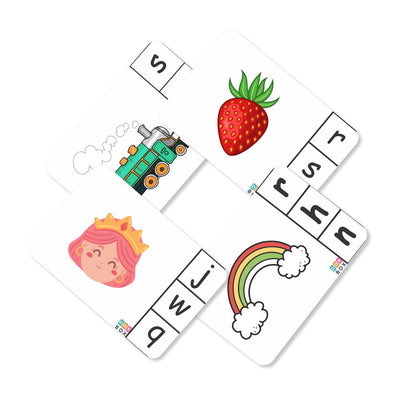
Materials like the Sandpaper Letters introduce phonetics kinesthetically, allowing children to trace the letter shapes while associating them with their sounds. The Movable Alphabet empowers children as young as three to construct words and sentences, even before they master pencil grip. These tactile experiences cement phonetic awareness and build confidence in early literacy.
Furthermore, practical life activities, such as pouring water or buttoning clothes, implicitly expand a child’s vocabulary as parents or grandparents name the actions and objects involved. Engaging in rich conversations around these activities, perhaps while preparing for Diwali or a family gathering, naturally integrates language learning into the child's daily Indian context, making it relevant and meaningful.
Practical Strategies: How to Use Educational Toys for Maximum Impact
Understanding how to use educational toys effectively is paramount to unlocking their full potential. It's not merely about having the best Montessori educational toys; it's about the interaction and environment. The adult's role is to present the material clearly, model its correct use, and then step back, allowing the child the freedom to explore and repeat the activity.
Observation is key: watch your child to understand their interests and readiness for new challenges. Avoid interrupting their concentration or correcting every mistake; self-correction is a core Montessori principle. Providing ample time for repetition allows for mastery, reinforcing neural pathways and building confidence. This mindful approach transforms simple play into profound learning opportunities.
Moreover, encourage children to articulate their actions and discoveries. Asking open-ended questions like 'What did you notice?' or 'How did you solve that?' fosters metacognition and enhances their descriptive language skills. This active engagement goes beyond passive play, creating meaningful educational toy activities that stimulate both mind and voice.
Creating a Prepared Environment for Optimal Learning
A cornerstone of the Montessori method is the 'prepared environment,' which extends beyond just the classroom to every Indian home. This means arranging Montessori educational toys neatly on low, accessible shelves, ensuring each material has its designated place. An orderly environment fosters concentration and independence, allowing children to choose activities themselves and return them when finished.
Rotate materials periodically to maintain interest and introduce new challenges, ensuring the environment remains stimulating but not overwhelming. For example, during a hot Bengaluru summer, materials related to water play or understanding natural cycles could be introduced. A clutter-free space with engaging, age-appropriate educational toys encourages sustained engagement, reducing distractions and promoting deep focus.
Integrating Montessori into Indian Family Life
Embracing Montessori principles within the vibrant tapestry of Indian family life enriches a child's learning journey profoundly. Grandparents and joint family members can be invaluable partners, sharing stories, traditional rhymes, and cultural practices that naturally boost language and cognitive development. Encourage their participation in showing children how to use specific educational toys, blending modern pedagogical approaches with timeless wisdom.
Leverage everyday activities, from helping sort spices in the kitchen to arranging flowers for a puja, as natural opportunities for learning. These practical life experiences, often central to Indian households, seamlessly integrate with Montessori's emphasis on purposeful work. By making learning an organic part of daily routines and family rituals, we cultivate a lifelong love for discovery in our children, preparing them not just for school but for life itself.
- Research confirms that Montessori educational toys, combined with intentional guidance, significantly boost cognitive and language development in children.
- The Montessori approach emphasizes self-directed learning through purpose-designed materials, fostering critical thinking and problem-solving skills.
- Tactile language materials like Sandpaper Letters and the Movable Alphabet build strong phonetic awareness and early literacy, surpassing passive digital engagement.
- Effective use of educational toys requires adult observation, minimal interruption, and allowing children ample time for repetition and self-correction.
- A 'prepared environment' at home, with accessible and orderly materials, is crucial for fostering concentration and independent learning.
- Integrating Montessori strategies with Indian family routines, including grandparent involvement and cultural activities, creates rich, meaningful learning experiences.
What age is best to introduce Montessori educational toys?
Montessori educational toys can be introduced from birth, with materials designed for each developmental stage. For infants, sensory exploration toys are ideal, while toddlers benefit from practical life activities and early cognitive tools. The approach is adaptable for children up to 8 years and beyond.
How do Montessori toys help with language development?
Montessori toys support language development through multi-sensory engagement, such as tracing Sandpaper Letters for phonics and using the Movable Alphabet for word building. They encourage verbal interaction and vocabulary expansion through practical life activities and descriptive play. This hands-on approach builds a strong foundation for reading and writing.
Can I use Montessori strategies if I don't have all Montessori materials?
Yes, absolutely. The core Montessori principles – observation, respect for the child, and a prepared environment – can be applied using everyday household items or a select few educational toys. Focus on fostering independence, allowing self-correction, and encouraging purposeful work. Many DIY options can replicate the learning objectives of traditional Montessori materials.
How does limiting screen time relate to using educational toys?
Limiting screen time is directly beneficial for maximizing the impact of educational toys, as excessive digital exposure can hinder social and communication development. Montessori emphasizes hands-on, real-world interactions that build fine motor skills, concentration, and language abilities. Prioritizing engagement with physical educational toys over screens promotes holistic child development and stronger social bonds within the family.
What is the role of parents in Montessori learning with educational toys?
In Montessori learning, parents act as guides and observers, preparing the environment and presenting materials when the child is ready. Their role is to facilitate independent exploration, avoid unnecessary interference, and trust the child's innate drive to learn. By providing a supportive and engaging setting with appropriate educational toys, parents empower their child's self-discovery and mastery.
How do Montessori toys prepare children for Indian schooling?
Montessori educational toys cultivate essential skills like concentration, problem-solving, independent work habits, and a love for learning, which are highly beneficial for traditional Indian schooling. Children develop strong foundational literacy and numeracy skills, adaptability, and self-discipline. This holistic development helps them transition smoothly into more structured academic environments, managing school pressure effectively.