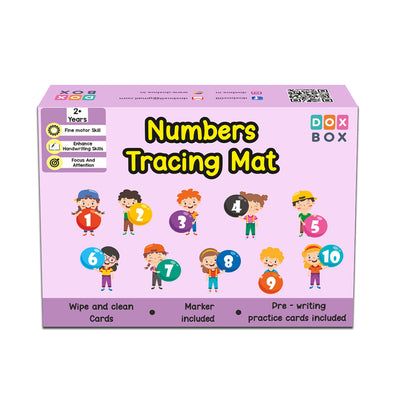
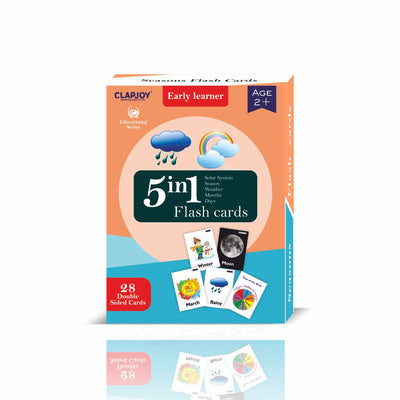
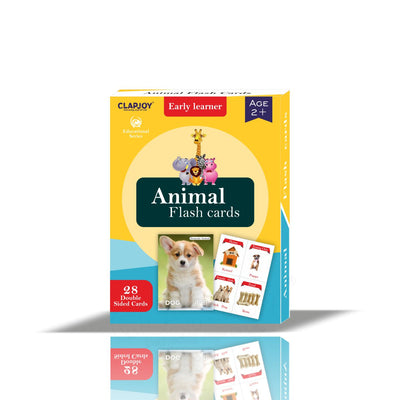
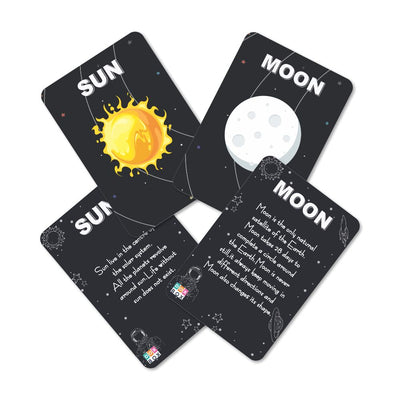
Fostering Montessori Social Communication Skills in Kids
Fostering robust Montessori social communication skills in children, particularly amidst the digital age, involves creating a prepared environment rich in opportunities for genuine interaction and practical life experiences. Research shows that a child-centric approach, emphasizing respect, active listening, and collaborative play, effectively counteracts the potential isolating effects of excessive screen exposure, empowering children to develop strong interpersonal abilities crucial for their growth.
Montessori social communication skills encompass a child's innate ability to interact respectfully, express needs clearly, and understand others' perspectives through practical, hands-on engagement. This matters because robust social and emotional development forms the bedrock of academic success, strong family bonds, and lifelong well-being. Indian parents can cultivate these skills by integrating purposeful activities, fostering a communicative home environment, and offering developmentally appropriate Montessori materials.
Cultivating Emotional Intelligence: The Montessori Way
Maria Montessori's philosophy inherently nurtures emotional intelligence by placing the child at the center of their learning journey, fostering self-awareness and empathy. The prepared environment, a cornerstone of Montessori education, is meticulously designed to encourage independence and respect for self, others, and the environment.
In this setting, children learn "Grace and Courtesy" lessons, which are explicit instructions on social interactions – how to greet, how to interrupt politely, how to offer help. Child development experts agree that such early and consistent modeling of social norms is crucial for children to internalize appropriate behavior and develop genuine consideration for others, a skill invaluable in bustling Indian homes, especially within joint families where harmonious coexistence is key.
This approach moves beyond rote learning, encouraging children to understand the 'why' behind social actions, thus building a strong foundation for managing their emotions and understanding those of their peers and elders. It's about developing a sensitive and responsive personality, capable of navigating complex social dynamics with grace.
Effective Communication Development Activities for Toddlers
For toddlers aged 18-36 months, fostering communication skills relies heavily on hands-on, interactive experiences that stimulate their senses and encourage verbal expression. Practical Life activities, such as pouring water, buttoning frames, or sorting objects, provide natural opportunities for dialogue as parents or caregivers describe actions and objects.
Engaging in simple conversations, asking open-ended questions like "What colour is this?" or "Can you help Dadi fetch the dal?" during everyday chores, encourages toddlers to articulate their thoughts and expand their vocabulary. These activities, available as Montessori learning materials, are designed to refine fine motor skills while simultaneously building a rich linguistic foundation.
Research indicates that interactive play and responsive communication from caregivers are more effective for language acquisition than passive exposure to screens. Encouraging toddlers to name objects, express preferences, and respond to simple commands lays the groundwork for more complex social interactions as they grow.
Building Communication Skills: Montessori Social Development Activities for Preschoolers
As children enter their preschool years (3-6 years), Montessori environments provide ample opportunities for developing sophisticated social and communication skills through collaborative play and guided interactions. Group activities, where children work together on a project or share materials, naturally lead to discussions, negotiations, and problem-solving, enhancing their ability to articulate needs and understand others' viewpoints.
Storytelling, both listening to and creating narratives, is a powerful tool for building communication skills preschoolers require, fostering imagination and sequencing of ideas. Encouraging children to recount their day, describe their feelings, or explain a new game helps them structure their thoughts verbally. Sharing cultural stories or describing the preparations for a festival like Diwali or Holi further strengthens their narrative abilities and cultural connections.
Introducing complex puzzles or collaborative building sets encourages children to work together, communicate strategies, and resolve minor conflicts respectfully. These hands-on Montessori social development activities promote patience, turn-taking, and the joy of shared accomplishment, reinforcing that effective communication is key to successful collaboration.
Montessori as a Powerful Screen Time Social Impact Solution
In light of recent discussions in Google News regarding the impact of touchscreen digital exposure on children’s social development, Montessori offers a robust and evidence-based alternative. Studies indicate that excessive screen time, especially before the age of two, can be linked to delays in language acquisition and reduced attention spans, hindering the organic development of social cues and interactive skills.
The Montessori approach acts as a powerful screen time social impact solution by immersing children in a real-world, sensory-rich environment that demands active participation. Instead of passively swiping pages, as highlighted by The Times of India, children engage with tactile Montessori materials, developing fine motor skills and spatial reasoning directly, fostering tangible achievements and genuine interactions with peers and adults.
Creating dedicated screen-free zones in homes, particularly during meals or family gatherings, allows for uninterrupted dialogue and observation of social dynamics. Prioritizing playdates, outdoor exploration, and family activities over digital entertainment ensures children build essential social capital through direct experience, empathy, and the nuanced give-and-take of human connection, essential for their holistic development in India's diverse social fabric.
- Montessori fosters social communication skills through a prepared environment that encourages independence, respect, and active participation.
- "Grace and Courtesy" lessons in Montessori explicitly teach social norms and respectful interaction, vital for children in Indian family settings.
- Hands-on Practical Life activities and language materials are crucial for communication development in toddlers (18-36 months), promoting vocabulary and expression.
- Collaborative play, storytelling, and problem-solving activities build sophisticated social and communication skills in preschoolers (3-6 years).
- Montessori provides a robust solution to the negative social impact of excessive screen time by emphasizing real-world, sensory-rich interactions.
- Prioritizing direct social engagement and screen-free zones in the home is essential for nurturing strong interpersonal abilities in children.
How does Montessori build social communication skills?
Montessori builds social communication skills by providing a prepared environment that encourages respectful interaction, independence, and collaborative learning. Children learn grace and courtesy, practice problem-solving in groups, and develop empathy through hands-on activities that require communication and cooperation.
What are effective communication development activities for toddlers?
Effective communication development activities for toddlers include practical life tasks like pouring and sorting, engaging in descriptive conversations about their actions, and reading interactive books. These activities stimulate language acquisition through direct experience and responsive interaction with caregivers, enhancing their ability to express themselves.
Can Montessori help counteract the social impact of screen time?
Yes, Montessori effectively counteracts the social impact of screen time by providing a rich, active, and sensory-based learning environment that promotes real-world interaction. It replaces passive screen engagement with hands-on exploration, collaborative play, and direct communication, fostering genuine social connections and nuanced interpersonal skills.
How can parents foster emotional intelligence in a Montessori home?
Parents can foster emotional intelligence in a Montessori home by modeling respectful communication, validating children's feelings, and providing opportunities for them to understand others' perspectives. Encouraging practical life skills and grace and courtesy lessons helps children develop self-awareness, empathy, and the ability to manage their emotions effectively.
What are practical ways to build communication skills in preschoolers at home?
Practical ways to build communication skills in preschoolers at home include encouraging them to tell stories, engaging in imaginative role-play, and involving them in family discussions and chores. Providing opportunities for collaborative play with peers or siblings, and asking open-ended questions, further strengthens their verbal expression and listening skills.