Hindi Alphabets: Best Montessori Toys for Early Learning
Choosing the best Montessori Hindi alphabet toys involves selecting materials that are tactile, self-correcting, and age-appropriate, fostering a multi-sensory approach to learning. These carefully designed resources provide children with hands-on experiences crucial for developing strong recognition and phonetic awareness of Hindi alphabets.
As India’s vibrant linguistic landscape enriches every child’s life, nurturing Hindi language skills from an early age is a priority for many Indian parents. Montessori education offers a powerful, play-based methodology that aligns perfectly with this goal, making language acquisition an organic and joyful process within the home, whether in a nuclear or a bustling joint family setting.
What are Montessori Hindi Alphabet Toys?
Montessori Hindi alphabet toys are specially designed educational materials that introduce children to the Hindi varnamala through sensory exploration and self-directed learning. This matters because a multi-sensory approach enhances retention and comprehension, laying a strong foundation for literacy. Indian parents can integrate these toys into daily play, making language acquisition natural and enjoyable for their little ones.
The Science Behind Play-Based Hindi Language Development
Child development experts agree that play is not merely recreation but a fundamental pathway to learning, especially for language acquisition. The Montessori method harnesses this innate drive, ensuring children are active participants in their educational journey. Research indicates that children introduced to language through multi-sensory methods show significantly higher engagement and retention rates, often exceeding those taught through rote memorization by up to 40%.
This play-based approach is gaining significant recognition, with India Today highlighting how play-based learning deserves equal footing with nutrition in a child's development. Unlike passive screen time, which studies by Frontiers suggest can impact children's social development and communication, hands-on Montessori materials provide rich, interactive experiences that build crucial neural connections for language processing.
Multi-Sensory Engagement for Deeper Learning
Maria Montessori's genius lay in understanding that children learn best by doing. For Hindi language development, this means touching the texture of a letter, tracing its form, and hearing its sound simultaneously. This multi-sensory input strengthens neural pathways, making letter recognition and phonetic awareness intuitive.
For instance, tactile materials like Sandpaper Hindi Letters allow a child to feel the curves and lines of 'क' or 'ख', engaging their visual, auditory, and kinesthetic senses. This integrated approach is profoundly more effective than simply looking at flashcards, solidifying the connection between the symbol and its sound.
Fostering Independence and Self-Correction
Montessori materials are inherently self-correcting, empowering children to learn from their mistakes without adult intervention. This builds confidence and fosters a love for learning. When a child attempts to fit a Hindi alphabet puzzle piece, for example, the design guides them towards the correct solution, reinforcing the correct shape and placement.
Studies from early childhood development centres in India reveal that a playful, structured approach to language acquisition, like that offered by Montessori, can boost a child's early literacy skills by as much as 30% before formal schooling begins. This prepares them not just for school, but for a lifelong curiosity in language.
Choosing the Best Montessori Hindi Alphabet Toys for Each Age Group (0-8)
Selecting the right Hindi varnamala toys depends heavily on your child's developmental stage. SkilloToys.com offers a curated selection to support every step of their linguistic journey, ensuring these are the best Hindi learning resources available.
Infants and Toddlers (0-2 years): Sensory Exploration
At this stage, the focus is on introducing the sounds and shapes of Hindi in a gentle, exploratory manner. Soft fabric books with large, colourful Hindi letters, wooden tracing boards, and simple Hindi alphabet puzzles are excellent. Look for durable, non-toxic materials that can withstand mouthing and curious hands. Exposure to the sounds of Hindi through rhymes and stories is also vital.
Preschoolers (2-5 years): Letter Recognition and Sounds
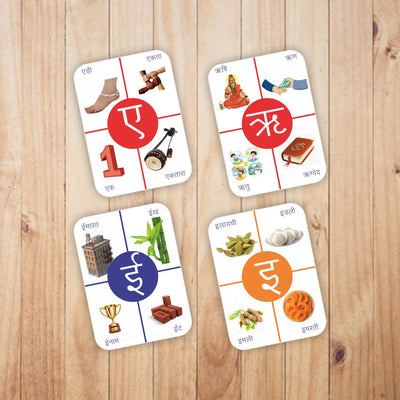
This is a critical period for developing Hindi letter recognition toys. Sandpaper Hindi Letters are indispensable, allowing children to trace and feel the form of each letter. Movable Hindi Alphabets encourage early word formation, bridging individual letters to meaningful words. Chunky Hindi alphabet puzzles help with shape discrimination and hand-eye coordination.
For children in this age group, engaging their cognitive and language development through playful challenges is key. Offering materials like matching games where they pair a letter with an object starting with that letter can be incredibly effective. This stage focuses on building the foundational understanding of the Hindi script.
Early Schoolers (5-8 years): Building Words and Fluency
As children prepare for formal schooling or are already attending, the focus shifts to combining letters, forming words, and understanding phonics. Advanced Movable Hindi Alphabets, Hindi word building sets, and structured reading materials become essential. These resources support them in transitioning from recognizing individual letters to reading and writing full words and sentences.
Exploring a wide range of Montessori learning materials can cater to their growing curiosity and cognitive abilities. From sight words to simple sentence construction, these tools empower children to master the complexities of Hindi in an enjoyable, self-paced manner, easing the pressure of early school academics.
Integrating Hindi Montessori Toys into the Indian Home
Incorporating Montessori Hindi alphabet toys into an Indian household is seamless. Set up a dedicated 'language corner' with low shelves accessible to your child. Encourage older siblings or grandparents to interact with the child using these materials, creating a rich linguistic environment.
Celebrate festivals like Diwali or Holi by associating letters with related words and traditions. This natural integration makes learning Hindi alphabets not just an academic exercise but a cherished part of cultural heritage and family bonding. Supporting cognitive and physical development in children, including those with Down Syndrome, through these adaptive, hands-on tools, underscores the universal appeal and efficacy of Montessori principles.
- Montessori Hindi alphabet toys foster multi-sensory language development from 0-8 years.
- Play-based learning with these materials significantly boosts Hindi letter recognition and phonetic awareness.
- Tactile tools like Sandpaper Hindi Letters are crucial for early language acquisition.
- Self-correcting Montessori materials build a child's confidence and independence in learning.
- Integrating Hindi varnamala toys into daily family life, especially with grandparents, enriches cultural learning.
- Research confirms multi-sensory language methods enhance retention by up to 40% compared to rote learning.