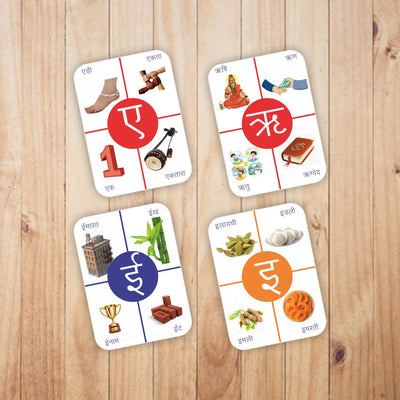
Hindi Alphabets: Fun Montessori Activities for Kids 0-8
Making hindi alphabets learning fun and effective for children (0-8) involves hands-on Montessori activities that stimulate cognitive development and natural curiosity. Research shows that engaging multi-sensory experiences are crucial for early language acquisition, empowering Indian children to confidently grasp the nuances of Varnamala away from excessive screen time. Child development experts agree that playful, interactive learning strengthens neural pathways, ensuring a lasting understanding.
The increasing concern over children's digital exposure, with Indian kids reportedly spending double the safe screen time, underscores the urgency for screen-free alternatives. As studies from institutions like the Times of India indicate, a significant number of young children are now accustomed to swiping rather than turning physical book pages. Montessori activities offer a powerful antidote, fostering a tactile and immersive learning environment that counters the passive nature of digital screens and promotes genuine literacy skills.
What is Montessori Hindi Learning?
Montessori Hindi learning is an educational approach that introduces children to the Hindi script and sounds through self-directed, multi-sensory activities using specially designed materials. This matters because it fosters intrinsic motivation and deeper understanding, laying a strong foundation for literacy. Indian parents can integrate these methods at home to nurture a love for their native language and cultural heritage.
Sensory Exploration: Foundation of Hindi Varnamala Activities
Maria Montessori emphasized that children learn best by doing, especially through their senses. For Hindi Varnamala, this translates into tangible experiences that allow children to literally feel, see, and hear each letter. This foundational sensory engagement builds strong neurological connections, making abstract concepts concrete.
Studies indicate that multi-sensory learning improves memory retention by up to 90% compared to auditory-only methods. Creating a sensory tray with sand or atta (flour) for tracing Hindi letters, or using clay to mould each akshar, provides invaluable tactile feedback. These activities not only teach letter shapes but also fine motor skills, preparing children for handwriting.
How Montessori Hindi Learning Builds Early Literacy
Montessori's structured yet child-led approach to language acquisition systematically builds literacy from sounds to words. This method prioritizes phonetic awareness, which is critical for mastering Hindi's phonetic script. Children first associate sounds with symbols before combining them, a natural progression that reduces frustration.
For instance, using sandpaper letters for Hindi involves a child tracing the letter while simultaneously hearing its sound. This three-period lesson (naming, recognition, recall) ensures a deep understanding. Gradually, children progress to movable alphabets, forming words independently, which is a significant step towards reading and writing fluency.
Creative and Fun Ways to Teach Hindi Alphabets at Home
Integrating fun ways to teach Hindi into daily life at home, especially within a joint family setting, creates a rich language environment. Beyond formal lessons, everyday interactions offer countless learning opportunities. This natural immersion is particularly effective for young learners, as it connects language to real-world experiences.
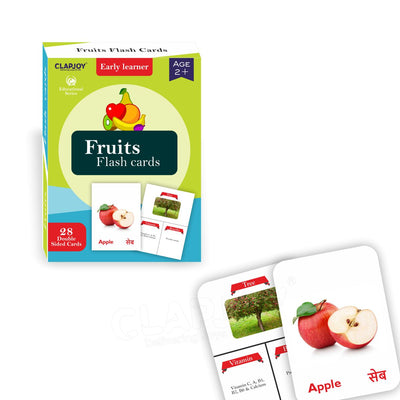
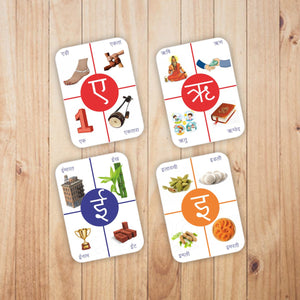
Involve children in creating Hindi flashcards using pictures of objects around the house, labelling items in their native language. During festivals like Diwali or Holi, incorporate Hindi words for decorations or traditions, reinforcing vocabulary culturally. Storytelling sessions with grandparents, focusing on Hindi tales, are invaluable for exposure and comprehension.
Interactive Hindi Alphabet Games for Playful Learning
Play is a child's natural way of learning, and incorporating interactive hindi alphabet games transforms education into an enjoyable adventure. These games engage children actively, promoting problem-solving skills alongside language acquisition. The joy of discovery through play strengthens a child's motivation and confidence.
Consider games like 'Spot the Letter' during a walk through a Bengaluru market, identifying Hindi letters on signboards. Or create simple puzzles where children match Hindi letters to corresponding pictures or sounds. Building a 'Varnamala train' with blocks, where each block carries a Hindi letter, allows children to arrange them in order, promoting sequencing and recognition.
Integrating Play-Based Hindi Learning into Daily Routines
Consistent, play-based hindi learning woven into daily routines is more effective than sporadic, intense sessions. This approach respects a child's attention span and natural rhythms, making learning feel organic and stress-free. It reinforces the idea that learning is a continuous, enjoyable part of life.
During meal prep, identify ingredients in Hindi. While doing laundry, sort clothes by their Hindi colour names. Singing traditional Hindi rhymes and lullabies not only exposes children to sounds but also strengthens their bond with family. SkilloToys.com offers a range of Montessori method learning materials that support these integrated learning experiences, designed to fit seamlessly into an Indian home.
- Multi-sensory Montessori activities significantly enhance Hindi alphabet retention and cognitive development in children 0-8.
- Hands-on learning, as advocated by Maria Montessori, directly counters the negative impacts of excessive screen time on early literacy skills.
- Integrating Hindi Varnamala learning into daily routines and cultural practices, especially with grandparents, fosters natural language acquisition.
- Interactive Hindi alphabet games and creative DIY materials make the learning process engaging and enjoyable for young Indian learners.
- The Montessori approach builds a strong foundation for Hindi literacy by progressing systematically from sound recognition to word formation.
- Research consistently demonstrates that play-based, tactile experiences are superior for early language and fine motor skill development.
When is the best age to start teaching Hindi alphabets?
Child development experts recommend introducing foundational language concepts, including Hindi alphabets, as early as 18-24 months through sensory play and exposure to sounds. Formal recognition often begins around 3-4 years, aligning with a child's readiness for more structured activities.
How do Montessori activities specifically benefit Hindi Varnamala learning?
Montessori activities for Hindi Varnamala engage multiple senses – touch, sight, and sound – making abstract concepts tangible and memorable. This multi-sensory approach fosters deeper comprehension and retention, promoting independent learning and a love for the language.
What are some effective ways to reduce screen time while teaching Hindi?
To reduce screen time, replace digital apps with hands-on activities like tracing sandpaper letters, playing Hindi alphabet games with blocks, or singing Varnamala songs together. Creating a rich, print-filled environment at home naturally encourages tactile engagement over digital devices.
Are specific Montessori materials essential for Hindi alphabet learning?
While specific Montessori materials like sandpaper letters are highly effective, many concepts can be adapted using everyday household items or DIY resources. The core Montessori principle of self-correction, hands-on engagement, and purposeful activity is more crucial than the material itself.
How can grandparents support Hindi alphabet learning at home?
Grandparents play a vital role by narrating stories in Hindi, singing traditional songs, and engaging children in conversations using Hindi vocabulary. Their consistent use of the language and sharing of cultural tales provides an invaluable, natural learning environment.