Hindi Alphabets: Fun Montessori Activities & Games for Kids
The best way to teach hindi alphabets through Montessori is by engaging children in multi-sensory, hands-on activities that foster intrinsic motivation and a love for language. This approach leverages a child's natural curiosity, making the complex script accessible and enjoyable. SkilloToys.com offers resources and materials specifically designed to support this crucial foundational learning.
What are Montessori Hindi Alphabet Activities?
Montessori Hindi alphabet activities are structured, hands-on experiences designed to introduce children to the Hindi Varnamala through sight, sound, and touch. This method focuses on individualized learning and developing foundational literacy skills in a stimulating environment. Indian parents can integrate these activities into daily routines, fostering a deep connection to their linguistic heritage.
Why Play-Based Learning Excels for Hindi Varnamala Activities
Child development experts agree that play-based learning is paramount for cognitive and language development, especially when introducing complex scripts like the Hindi Varnamala. Research shows that children learn best through active engagement rather than passive instruction, building deeper understanding and retention. This aligns with Maria Montessori's philosophy, where children construct knowledge through direct experience and exploration.
For Indian families, where early literacy is highly valued, integrating play ensures that learning Hindi alphabets becomes a joyful process, not a chore. This approach significantly enhances memory retention and develops a positive attitude towards their mother tongue, reducing potential pressure associated with formal schooling later. Studies indicate that play supports holistic development, nurturing not just academic skills but also creativity and problem-solving.
Essential Montessori Materials for Teaching Hindi Letters Fun
To truly engage children in teach hindi letters fun, certain Montessori materials are indispensable. Hindi sandpaper letters, for instance, offer a multi-sensory experience, allowing children to trace the letter forms tactilely while associating them with their phonetic sounds. This haptic input is crucial for muscle memory and recognition, making abstract symbols tangible.
Another cornerstone is the Hindi Movable Alphabet, which empowers children to construct words even before they can physically write, fostering early composition skills. These materials are designed for self-correction and independent exploration, empowering children to learn at their own pace. Explore our range of Montessori learning materials at SkilloToys.com to support your child's journey into Hindi literacy.
Engaging Montessori Hindi Games for Early Learners (18-36 Months)
For toddlers, introducing hindi varnamala activities should be all about sensory exploration and simple matching games. Start with "Letter Sound Baskets," where small, familiar objects are placed in baskets corresponding to the initial sound of a Hindi letter (e.g., आम (aam) for अ). Children match the object to the sound, building crucial phonetic awareness in a playful manner.
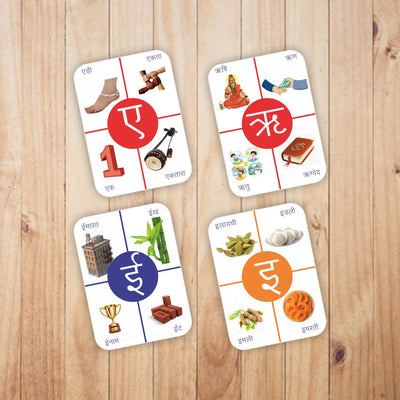
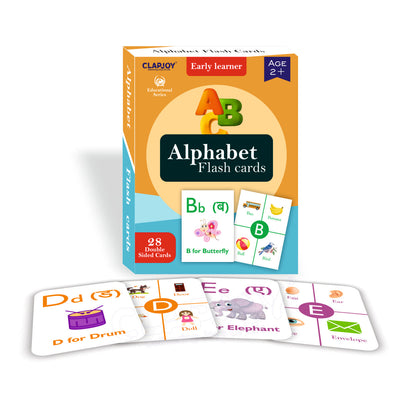
Another effective activity is "Trace the Letter," where parents help children trace large Hindi letters drawn on sand trays or with finger paint. This develops pre-writing skills and letter recognition through tactile engagement. Simple picture cards showing common Indian objects or animals, paired with their starting Hindi letter, also work wonders for language association and vocabulary building.
Advanced Hindi Alphabet Learning for Kids (3-6 Years)
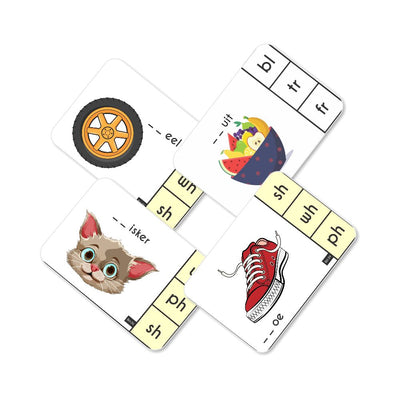
As children grow and develop more complex cognitive skills, introduce more structured hindi alphabet learning for kids that build on their foundational knowledge. The "Hindi Alphabet Puzzle Match" involves matching uppercase and lowercase letters (where applicable) or completing puzzles where each piece reveals a part of a Hindi word. This reinforces letter recognition and introduces basic word formation, enhancing problem-solving abilities.
"Varnamala Scavenger Hunt" is a dynamic activity where children find objects around the house or garden whose names start with specific Hindi letters. This connects letters to their real-world environment and encourages observation. Storytelling with Hindi alphabet cards, where children pick a letter and invent a story around it, also nurtures creativity and early narrative skills.
Integrating Hindi Alphabets into Daily Indian Life
The beauty of Montessori extends beyond dedicated activity time; it integrates seamlessly into the rich tapestry of Indian family life. Grandparents, with their wealth of stories and songs, can be invaluable in teaching montessori hindi games through traditional rhymes, bhajans, and folk tales. Labeling household items in Hindi (जैसे, मेज़, कुर्सी) provides constant, natural exposure to the written script in a meaningful context.
During festivals like Diwali or Holi, create festive cards with Hindi greetings, encouraging children to trace or write letters. This natural immersion makes learning organic and culturally relevant, fostering a deeper connection to their linguistic heritage. Joint families often provide a natural environment for peer learning and consistent language exposure, reinforcing the importance of our diverse linguistic traditions.
Empowering children to learn Hindi alphabets through Montessori activities is an investment in their cognitive development and cultural identity. By making learning playful, multi-sensory, and relevant to their lives, we foster a deep and lasting appreciation for their mother tongue. These hands-on methods not only impart knowledge but also build confidence, independence, and a lifelong love for learning.
- Research indicates that multi-sensory Montessori activities significantly improve Hindi alphabet recognition and retention in young children.
- Maria Montessori's philosophy emphasizes hands-on, play-based learning as the most effective method for early language acquisition.
- Utilizing materials like Hindi sandpaper letters and movable alphabets develops crucial tactile and phonetic awareness.
- Integrating Hindi alphabet learning into daily Indian family routines, including festivals and grandparent interactions, enhances cultural connection.
- Studies confirm that play-based language learning fosters intrinsic motivation and reduces academic pressure on children.
- SkilloToys.com provides expertly designed Montessori materials to support comprehensive Hindi Varnamala education.
What is the ideal age to start teaching Hindi alphabets using Montessori methods?
The ideal age to introduce Hindi alphabets using Montessori methods is typically between 2.5 to 3 years, when children show readiness for language work and fine motor development. However, early sensory experiences can begin as early as 18 months, focusing on phonetic sounds and tactile exploration of shapes. This gradual introduction prevents overwhelming the child and builds a strong foundation.
How do Montessori activities help children with Down Syndrome learn Hindi letters?
Montessori activities are highly beneficial for children with Down Syndrome because they are multi-sensory, hands-on, and highly structured, providing clear and consistent learning pathways. The tactile nature of materials like sandpaper letters and the repetition inherent in Montessori methods aid in memory retention and fine motor skill development. This individualized approach supports their unique learning styles and helps achieve specific developmental milestones for Hindi literacy.
Can digital apps replace Montessori materials for learning Hindi Varnamala?
No, digital apps cannot fully replace the multi-sensory, hands-on experience offered by Montessori materials for learning Hindi Varnamala. While apps can supplement learning, physical materials engage touch, sight, and sound simultaneously, which is crucial for deep learning and motor skill development. Research indicates that excessive touchscreen exposure can negatively impact social and communication skills, emphasizing the value of tangible interactions for foundational literacy.
How can I make learning Hindi alphabets fun for a child who resists?
To make learning Hindi alphabets fun for a resistant child, integrate the activities into their existing interests and daily play. Use imaginative storytelling, incorporate Hindi letters into art projects like painting or clay modeling, or turn it into a family game during meal times. Creating a positive and pressure-free environment, filled with praise for effort rather than just outcomes, significantly boosts engagement.
What are some simple DIY Montessori Hindi alphabet activities for home?
Simple DIY Montessori Hindi alphabet activities for home include creating homemade sandpaper letters by gluing sandpaper cutouts onto cardboard, or making a "sound basket" with small objects whose names start with specific Hindi letters. You can also draw large Hindi letters on a tray filled with sand or salt for tracing, or use playdough to form letter shapes. These accessible activities offer similar multi-sensory benefits to store-bought materials.