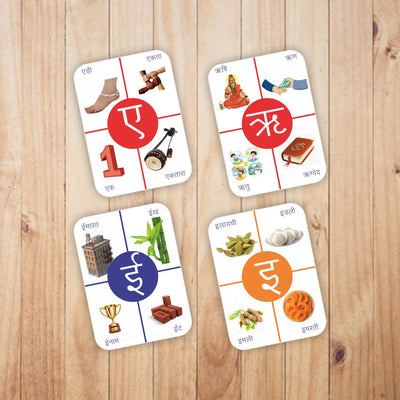
Hindi Alphabets Learning: A Montessori Parent's Guide
Teaching hindi alphabets through the Montessori method provides a proven, sensorial pathway to early literacy and strong linguistic foundations, especially crucial for children aged 0-8 in Indian homes. Research shows that a hands-on, multi-sensory approach significantly enhances letter recognition, phonetic awareness, and overall language acquisition. This guide offers parents a step-by-step journey, ensuring children develop a deep, lasting connection with the Hindi language.
The Montessori Hindi Alphabet Learning Journey is a systematic, child-led educational progression that introduces children to Hindi varnamala through tactile, auditory, and visual materials, building foundational literacy. This matters because it fosters independence and intrinsic motivation in language acquisition. Indian parents can empower their children by providing rich, prepared environments that honour this developmental path.
The Foundation (0-3 Years): Nurturing Early Hindi Language Skills
Child development experts agree that the first three years are crucial for absorbing language, making it the ideal period to begin nurturing Hindi language skills. At this stage, the focus is not on formal letter recognition but on building a rich linguistic environment and auditory discrimination. Indian homes, especially with joint families, naturally offer this through conversations, lullabies (lori), and stories shared by grandparents (Dadi/Nani).
Maria Montessori emphasised that children learn language by immersion and direct experience, which is why parents should prioritise speaking Hindi consistently and engaging in interactive communication. Research published in Frontiers highlights concerns about touchscreen digital exposure impacting children's social development and communication, making hands-on interactions vital. Instead of passive screen time, engage your little one by narrating daily activities in Hindi, singing rhymes, and pointing out objects, enriching their vocabulary naturally.
Montessori Hindi Alphabet Progression (3-6 Years): Hands-On Varnamala Learning
As children approach three years, their sensitive period for language intensifies, making them ready for explicit hindi varnamala learning. The Montessori method introduces hindi alphabets not by rote memorisation but through multi-sensory materials that appeal to the child's natural curiosity and love for discovery. This systematic montessori hindi alphabet progression ensures a deep understanding of sounds before symbols.
The iconic Sandpaper Letters are central to this stage; children trace the 'varnas' (letters) with their fingers, feeling the shape while simultaneously hearing its phonetic sound. This tactile and auditory experience imprints the letter into their muscle memory and mind, connecting the sound directly to its form. Following this, the Movable Alphabet allows children to physically construct words and short sentences, mastering phonetic building blocks before conventional writing. SkilloToys.com offers a range of authentic Montessori language materials designed to support this crucial phase of learning.
Studies indicate that children who learn through this concrete-to-abstract progression develop superior phonetic awareness and an intuitive grasp of language structure. This hands-on engagement stands in stark contrast to passive screen consumption, which The Times of India noted can lead to children attempting to "swipe" physical books, losing the essential interaction with print. Providing engaging, tangible materials ensures children genuinely interact with the learning process, fostering a love for reading and writing Hindi.
Achieving Hindi Alphabet Milestones (6-8 Years): From Reading to Fluency
By ages 6-8, children are ready to transition from foundational hindi alphabets knowledge to more complex reading and writing, marking significant hindi alphabet milestones. This stage focuses on comprehension, grammar, and creative expression in Hindi, building upon the strong phonetic base established earlier. Children begin to read longer stories, understand grammatical structures, and express their thoughts in written Hindi.
Encourage reading Hindi storybooks, folk tales (Panchatantra, Jataka tales), and simple poems, connecting their learning to rich Indian culture. Dictation exercises and creative writing prompts, such as writing letters to grandparents or describing a family festival, further solidify their skills. Engaging activities like solving Hindi word puzzles can make learning vocabulary and sentence structure an enjoyable game, reinforcing concepts in a fun, interactive way.
It is vital during this period to sustain their engagement by making Hindi relevant to their daily lives and interests. Celebrate small victories, encourage their efforts, and ensure the learning environment remains supportive and stimulating. This continuous reinforcement helps solidify their connection to the language, transforming basic literacy into fluent, confident communication.
Overcoming Challenges and Sustaining a Love for Hindi
Parents may encounter common challenges during their child's hindi varnamala learning journey, such as letter reversals, occasional disinterest, or the temptation of excessive screen time. Research consistently shows that a child's brain development and behaviour can be negatively impacted by excessive digital exposure, as highlighted by theweek.in. The Montessori approach provides powerful antidotes to these issues, emphasizing patience, observation, and respect for the child's individual pace.
If a child struggles with reversals, for instance, revisiting the Sandpaper Letters for tactile reinforcement can be highly effective. For waning interest, integrate Hindi learning into playful activities, family discussions, or cultural celebrations like Diwali or Holi, making it feel less like a chore and more like an integral part of their identity. The prepared environment is key; ensure access to a variety of engaging Hindi books and materials, reducing reliance on digital devices for learning.
Ultimately, the goal is to cultivate a lifelong love for the Hindi language, making it a source of pride and connection to their heritage. By being present, responsive, and providing a rich, hands-on learning environment, Indian parents can effectively teach hindi to kids, guiding them to linguistic fluency and cognitive strength.
- Montessori's multi-sensory approach is superior for Hindi alphabet learning from 0-8 years.
- Early exposure (0-3 years) to spoken Hindi in a rich environment is foundational for future literacy.
- Sandpaper Letters and the Movable Alphabet are essential Montessori tools for Hindi varnamala acquisition (3-6 years).
- Children achieve significant Hindi alphabet milestones by transitioning to reading comprehension and creative writing (6-8 years).
- Hands-on, interactive learning mitigates the negative effects of screen time on children's language and social development.
- Sustained engagement in Hindi comes from cultural relevance, play, and a supportive home environment.
When should I start teaching my child Hindi alphabets?
Children aged 0-3 benefit immensely from rich auditory exposure and a Hindi-speaking environment. Formal introduction to Hindi alphabets, such as with Sandpaper Letters, typically begins around 3 years old when their sensitive period for language is particularly heightened.
What are Montessori Sandpaper Letters, and how do they help with Hindi varnamala learning?
Montessori Sandpaper Letters are tactile materials where each Hindi letter (varna) is textured, allowing children to trace it with their fingers while simultaneously hearing its phonetic sound. This multi-sensory engagement builds strong muscle memory and a direct association between the sound and its symbol, significantly aiding early Hindi varnamala learning.
How can I make learning Hindi alphabets fun for my child?
Integrate Hindi alphabets into daily life through engaging storytelling, singing rhymes, and participating in cultural activities like festivals. Using interactive materials such as Hindi word puzzles or the Movable Alphabet can transform learning into an enjoyable discovery process, making it both fun and meaningful for children.
Is screen time beneficial for learning Hindi alphabets in children?
Research indicates that excessive screen time can negatively impact children's social development and communication skills, contrasting sharply with the hands-on nature of Montessori learning. While some digital resources exist, direct, interactive engagement with physical materials and human interaction is proven to be far more effective for deep language acquisition and retention.
What are common milestones in a child's Montessori Hindi alphabet progression?
Key milestones include recognising phonetic sounds (around 3 years), tracing and associating letters with sounds using Sandpaper Letters (3-4 years), forming simple Hindi words with the Movable Alphabet (4-5 years), and reading phonetic Hindi stories (5-6 years). By 6-8 years, children typically transition to comprehending longer texts and engaging in creative writing.