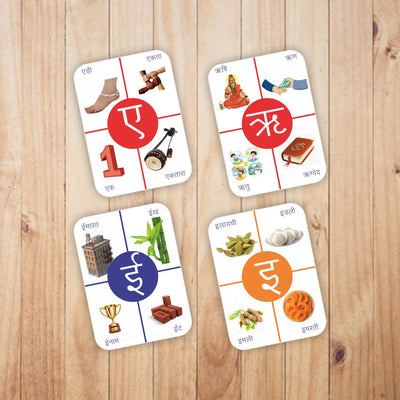
Hindi Alphabets: Montessori Guide to Varnamala & Pronunciation
Hindi alphabets, known as the Hindi Varnamala, are a systematic and phonetically rich set of characters forming the bedrock of India's national language, comprising 13 vowels (swar) and 36 consonants (vyanjan). Mastering these foundational sounds and symbols is paramount for a child's linguistic development and cultural immersion, enabling effective communication and a strong sense of identity from an early age.
For Indian parents navigating the dual demands of global competitiveness and cultural preservation, ensuring children connect with their linguistic heritage is increasingly vital. In an era where reports from entities like The Times of India and Business Today warn of cognitive risks and reduced literacy skills due to excessive screen time, with many children struggling with basic motor skills like turning book pages, a structured, hands-on approach to language acquisition has never been more relevant.
What is the Hindi Varnamala?
The Hindi Varnamala is the complete set of Hindi alphabets, systematically arranged to represent all the distinct sounds in the language. It comprises vowels (स्वर - swar) and consonants (व्यंजन - vyanjan), each with its unique pronunciation and written form. This matters profoundly because a clear understanding of the Varnamala's phonetic structure unlocks accurate pronunciation and fluent reading in Hindi, laying a robust foundation for all future linguistic endeavors. Indian parents can leverage this structured system to introduce Hindi with clarity and precision, ensuring children grasp its fundamental building blocks.
Understanding the Varnamala is not just about memorising letters; it is about grasping the science of sound production unique to Hindi. Each character corresponds to a specific phonetic sound, making Hindi a highly phonetic language. This structured nature allows for a logical and systematic approach to learning, which aligns beautifully with Montessori principles of order and clarity.
Why Early Introduction to Hindi Alphabets Matters for Indian Kids
Early introduction to Hindi alphabets during a child's sensitive period for language, typically between 18 months and six years, significantly boosts their cognitive and linguistic development. Research consistently shows that early exposure to a second language enhances cognitive flexibility, problem-solving skills, and cultural appreciation. For Indian children, it fosters a strong connection to their heritage, enabling them to communicate with grandparents, participate in festivals, and understand Indian narratives more deeply.
In contrast to passive digital consumption, which a systematic review in Frontiers links to potential negative impacts on social development and communication, a hands-on approach to early Hindi learning actively engages a child's developing brain. This foundational language exposure not only aids in school readiness but also provides a distinct advantage in a multilingual country like India. It empowers children to express themselves fully, embracing the richness of their cultural identity.
The Montessori Approach to Hindi Alphabet Pronunciation & Introduction
Maria Montessori's philosophy prioritises natural learning, where children absorb knowledge through sensory experiences within a prepared environment. For Hindi Varnamala, this means moving from concrete, tactile experiences to abstract understanding, allowing children to discover and internalise language at their own pace. This method cultivates a deep understanding and accurate pronunciation from the outset.
Setting Up a Language-Rich Home Environment
A prepared environment for early Hindi learning begins at home, integrating language into daily routines. Engage children in conversations, sing traditional Hindi rhymes, and read stories aloud from an early age. The presence of grandparents often provides an invaluable opportunity for natural immersion, as they can model authentic Hindi speech and share cultural narratives.
Surround your child with Hindi books, picture cards, and even labels for household items in Hindi. This consistent exposure, devoid of screen-based distractions, creates a stimulating atmosphere where language acquisition feels natural and joyful. Remember, the goal is to make Hindi a living language within the family unit, not just a subject to be learned.
Introducing Hindi Alphabets: The Sensory Pathway (18 months - 4 years)
The Montessori method introduces Hindi alphabets phonetically, focusing on the sound each letter makes before its name. Materials like Hindi Sandpaper Letters allow children to trace the shape of each letter with their fingers while simultaneously hearing its sound, engaging tactile, auditory, and visual senses. This multi-sensory engagement is critical, as studies from child development experts highlight the importance of such experiences for effective language acquisition.
Begin with a few contrasting phonetic sounds, slowly introducing more as the child masters the initial set. Activities like matching letters to objects, sorting initial sounds, and later forming simple words with movable alphabet puzzles reinforce learning. This concrete approach builds a solid foundation for hindi alphabet pronunciation and recognition, making the transition to reading and writing smooth and intuitive.
Developing Fluent Hindi Language Skills (4-8 years)
As children grow, the Montessori approach shifts towards more complex language activities. Once familiar with individual letters and sounds, children progress to building words, reading simple sentences, and eventually writing. Storytelling, creative writing prompts, and engaging in Hindi conversations with family members or friends further solidify their linguistic abilities.
This stage focuses on developing comprehension, vocabulary, and expression. Encourage children to dictate their own stories in Hindi, which you can write down for them, or use flashcards and interactive games. The emphasis remains on fostering a love for the language, allowing children to progress without undue pressure, thereby nurturing true fluency and a lifelong connection to Hindi.
Addressing Common Parental Concerns About Early Hindi Learning
Many Indian parents worry about balancing early Hindi learning with English education or the academic pressures of school. The Montessori method alleviates these concerns by demonstrating that early language exposure, especially in a structured, sensory-rich manner, enhances overall cognitive development rather than hindering it. Children exposed to multiple languages often exhibit greater cognitive flexibility.
Furthermore, by providing engaging, hands-on alternatives to digital learning, Montessori ensures that children develop essential literacy skills without the cognitive risks associated with excessive screen time. It offers a powerful antidote to the trend of children attempting to swipe physical books, nurturing traditional literacy and a deeper engagement with the learning process. This approach ensures children not only learn Hindi but also develop a love for learning itself.
- The Hindi Varnamala, comprising 13 vowels and 36 consonants, is the phonetic bedrock of the Hindi language.
- Early introduction of Hindi alphabets (18 months - 6 years) enhances cognitive flexibility and cultural connection for Indian children.
- Montessori uses multi-sensory materials like Sandpaper Letters to teach Hindi phonetically, promoting accurate pronunciation.
- A language-rich home environment, including conversations and reading, is crucial for natural Hindi acquisition.
- Hands-on Montessori methods provide a superior alternative to screen-based learning for language development, reducing digital reliance.
- Consistent exposure and engaging activities foster a lifelong love for Hindi, supporting holistic child development.
What is the ideal age to introduce Hindi Varnamala to children?
The ideal age to introduce Hindi Varnamala is during a child's sensitive period for language, typically beginning around 18 months through to age 5-6. This period allows for natural absorption of sounds and symbols through multi-sensory experiences, aligning perfectly with Montessori principles.
How can I ensure correct Hindi alphabet pronunciation for my child?
Ensuring correct Hindi alphabet pronunciation involves modeling clear speech, using phonetic sounds rather than letter names initially, and providing tactile materials like sandpaper letters. Engaging in conversations, singing Hindi rhymes, and reading aloud regularly are also crucial for auditory development.
What are the common challenges parents face when teaching Hindi to kids?
Common challenges include balancing Hindi with English, finding engaging materials, and combating digital distractions. Montessori addresses these by offering hands-on, self-correcting activities that make learning intrinsically motivating, reducing reliance on screens and integrating language naturally into daily life.
Are Montessori Hindi materials different from regular teaching aids?
Yes, Montessori Hindi materials are specifically designed to isolate concepts and engage multiple senses, moving from concrete experiences to abstract understanding. Materials like sandpaper letters and movable alphabets offer tactile feedback, promoting deeper learning and self-correction, unlike passive conventional aids.
How does Montessori prevent screen time reliance for early Hindi learning?
Montessori inherently prevents screen time reliance by emphasizing a prepared environment rich with tangible, interactive materials that stimulate a child's innate curiosity and desire to learn through doing. This hands-on, sensory-rich approach provides superior cognitive engagement compared to the passive consumption of digital content, fostering genuine understanding and retention.