Hindi Varnamala with Pictures: Choosing Montessori Toys
Choosing the best Montessori hindi varnamala with pictures toys involves prioritising tactile, self-correcting materials that align with a child's developmental stage, fostering independent learning and a deep connection to their native language. These meticulously designed resources are essential for early language development, particularly in an Indian household where Hindi often forms a foundational linguistic bedrock. Studies indicate that multi-sensory engagement with foundational concepts significantly enhances retention and understanding from an early age, ensuring a robust linguistic foundation for young learners across India.
What is Montessori Hindi Varnamala Learning?
Montessori Hindi Varnamala learning is an educational approach utilising specially designed, hands-on materials to introduce children to the Hindi alphabet and its phonetics. This method matters profoundly because it allows children to internalise language concepts through sensory exploration, building a robust foundation for reading and writing. Indian parents can implement this by providing accessible, engaging varnamala materials at home, fostering a love for learning in a natural, child-centred way.
Why Montessori is Crucial for Early Hindi Language Development
Research consistently demonstrates that play-based learning is as vital as nutrition for a child's holistic development, as highlighted by recent discussions in India Today. Montessori philosophy inherently champions this by providing purposeful, engaging activities that stimulate cognitive growth and linguistic proficiency. For young Indian learners, especially those in diverse family structures like joint families, early exposure to well-structured hindi varnamala with pictures materials supports both language acquisition and overall brain development.
Child development experts agree that children from 0-8 years are in a sensitive period for language, absorbing sounds and structures effortlessly. Integrating Montessori principles helps bridge the gap between abstract symbols and concrete understanding, making learning Hindi varnamala a joyful, natural process. This foundation is crucial for all children, ensuring inclusive learning environments that support cognitive and physical development from the earliest stages.
Key Features of Effective Montessori Hindi Varnamala Toys
Effective Montessori Hindi varnamala toys are characterised by their multi-sensory appeal. For instance, sandpaper letters allow children to trace the form of each 'varna' (letter) while simultaneously hearing its sound, engaging touch, sight, and hearing. This approach aligns with Maria Montessori's observations on how children learn best through direct, hands-on experience, creating strong neural connections for language retention.
Another crucial feature is self-correction, enabling children to identify and rectify their own mistakes without constant adult intervention. This fosters independence and self-confidence, vital traits for academic success in the competitive Indian educational landscape. Materials like matching cards or specific Montessori puzzles for Hindi letters are designed with this principle in mind, ensuring a child can easily verify their answers and learn autonomously.
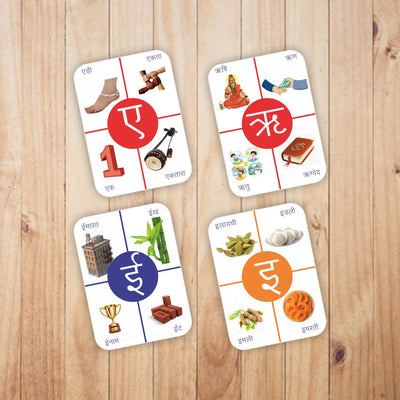
Furthermore, these resources are designed with an isolation of difficulty, presenting only one new concept at a time to prevent overwhelm. The vibrant, clear pictures accompanying each varnamala character help children associate sounds with familiar objects and experiences from their daily Indian lives, enriching their vocabulary and contextual understanding of the language.
Choosing Hindi Alphabet with Pictures Resources by Age Group
For toddlers aged 0-3, exposure to the 'Hindi alphabet with pictures' should be primarily auditory and visual. Large, sturdy flashcards featuring clear images and bold Hindi letters are ideal, alongside interactive books that introduce sounds and simple words. Parents and grandparents can also use simple Hindi rhymes and songs during playtime to familiarise children with varnamala sounds in a gentle, engaging manner.
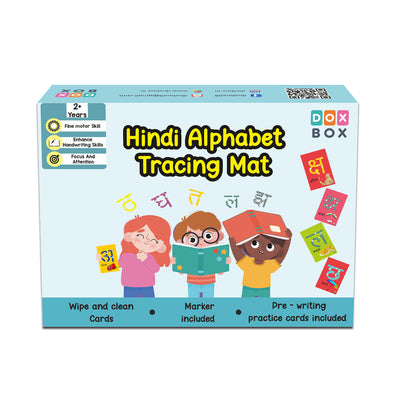
Children aged 3-6 are ready for more tactile engagement as their fine motor skills develop. This is the optimal time for classic Montessori materials like sandpaper Hindi letters, where they can trace the form and hear the phonetic sound. Movable alphabet sets are also invaluable, allowing children to build simple Hindi words phonetically, laying a strong foundation for reading and early writing skills.
For children aged 6-8, who are typically entering primary school, the focus shifts to consolidating phonetic knowledge and beginning to form words and sentences. Advanced Hindi varnamala puzzles, storytelling activities that incorporate letter recognition, and guided writing exercises become highly effective. This age group benefits from materials that challenge them to apply their knowledge in more complex ways, preparing them for formal schooling pressures while maintaining their natural curiosity.
Integrating Varnamala Learning into Indian Homes
Integrating 'early language learning resources India' into daily life ensures consistent exposure and reinforcement. This can be as simple as pointing out Hindi letters on street signs during family outings or engaging grandparents in storytelling sessions using varnamala picture cards. The traditional Indian joint family setup provides a natural, language-rich environment where children hear diverse Hindi vocabulary and learn from multiple generations.
Creating a dedicated 'Hindi Corner' with varnamala charts, books, and educational toys encourages independent exploration and a sense of ownership over their learning journey. Celebrating Indian festivals like Diwali or Holi can also be an opportunity to introduce festive vocabulary alongside varnamala characters, making learning culturally relevant and deeply enjoyable. This holistic approach supports language development beyond formal lessons, preparing children for school while celebrating their heritage.
- Montessori Hindi varnamala toys are crucial for multi-sensory language development, engaging touch, sight, and sound.
- Self-correcting materials foster independence and self-confidence, allowing young learners to master Hindi at their own pace.
- Age-appropriate selection of Hindi alphabet with pictures resources ensures effective engagement for children from 0-8 years.
- Integrating varnamala learning into daily Indian family life strengthens linguistic foundations and cultural connection.
- Play-based learning with high-quality educational toys Hindi-focused is essential for robust cognitive growth and phonetic understanding.
- Choosing Montessori-aligned resources provides a strong, research-backed foundation for future academic success and linguistic fluency.
How do Montessori Hindi varnamala toys support early language learning?
Montessori Hindi varnamala toys engage multiple senses, allowing children to physically trace letters and associate them with sounds and pictures. This multi-sensory approach builds strong neural pathways for language acquisition and phonetic understanding, making learning deeply ingrained and effective.
What age is best to introduce Hindi varnamala with pictures to children?
Children can be introduced to Hindi varnamala with pictures as early as 18-24 months through auditory exposure and simple visual cues like flashcards. More formal, tactile engagement with materials such as sandpaper letters typically begins around 3 years of age, aligning with their sensitive period for language development.
Are these educational toys Hindi specific, or can they be used for other languages?
While specifically designed for the Hindi varnamala script and phonetics, the underlying Montessori principles of tactile, multi-sensory, and self-correcting learning are universal. Many similar materials exist for other languages, but these particular toys are tailored to the unique linguistic requirements of Hindi.
How can parents encourage a child's interest in Hindi varnamala at home?
Parents can foster interest by making learning playful and integrating it into daily routines, such as reading Hindi stories, singing rhymes, and creating a dedicated learning space. Allowing the child to lead their exploration with engaging, self-correcting materials like Hindi alphabet puzzles also significantly boosts intrinsic motivation and engagement.
What makes SkilloToys' Montessori Hindi varnamala materials unique?
SkilloToys' Montessori Hindi varnamala materials are meticulously designed to adhere to authentic Montessori principles, focusing on high-quality, durable materials and precise pedagogical design. They offer a comprehensive range that supports multi-sensory learning, self-correction, and age-appropriate engagement, making them ideal educational toys Hindi parents can trust for effective language development.