Homeschooling Curriculum India: Montessori for 0-8 Years
Embracing a Montessori homeschooling curriculum in India offers a transformative approach to early childhood education, profoundly nurturing cognitive and language skills in children aged 0-8. This child-centred method is an invaluable framework for parents seeking to cultivate independence, critical thinking, and a love for learning within the unique context of Indian homes. Research consistently shows that environments supporting self-directed exploration lead to deeper understanding and skill mastery.
Montessori homeschooling refers to the practice of applying the educational philosophy and methods developed by Dr. Maria Montessori within the home environment. This matters because it empowers children to learn at their own pace, fostering natural development. Indian parents can implement this by creating a thoughtfully prepared learning space and introducing age-appropriate, hands-on activities that encourage curiosity and skill-building.
Fostering Cognitive Development in the Indian Home (0-8 Years)
Cognitive development, the process by which children learn to think, reason, and understand, is a cornerstone of the Montessori philosophy. For Indian parents adopting a Montessori homeschooling curriculum, this means shifting from a 'teaching' mindset to one of 'facilitating' exploration. Maria Montessori observed that children have an innate drive to learn, and the role of the adult is to provide the right environment and materials.
In an Indian home, this translates to setting up accessible, low shelves with carefully selected Montessori educational toys and activities. For a two-year-old like Aarav in Bengaluru, this might involve Knobbed Cylinders, which inherently teach visual discrimination and problem-solving as he learns to fit each cylinder into its correct hole. The repetition, the focused concentration, and the self-correction he engages in are crucial cognitive exercises. For a five-year-old, it could be exploring the Geometric Solids, learning their names in Hindi and English, and understanding their properties through touch and sight.
Studies indicate that children engaged in hands-on, self-correcting activities develop stronger executive function skills, including working memory and cognitive flexibility. This approach aligns beautifully with the traditional Indian emphasis on 'learning by doing' and respecting individual capabilities. The absence of external rewards or punishments encourages intrinsic motivation, a crucial factor in sustained cognitive growth and reducing the common pressure associated with early academics in India.
Cultivating Language Skills with Montessori in a Multilingual India
Language development is a dynamic process, especially vibrant in multilingual India. A Montessori homeschooling curriculum provides a rich, structured pathway for children to navigate the complexities of their linguistic environment. Child development experts agree that exposure to multiple languages from an early age enhances cognitive flexibility and problem-solving abilities.
Consider little Priya, growing up in a joint family in Mumbai, hearing Marathi from her grandparents, Hindi from her parents, and English through media. Montessori addresses this naturally. Instead of direct instruction, language immersion is organic. Practical life activities like setting the dinner table or preparing a simple snack become opportunities for rich vocabulary acquisition. When Priya carefully places a glass, she learns the word "glass" in all three languages through real-world context.
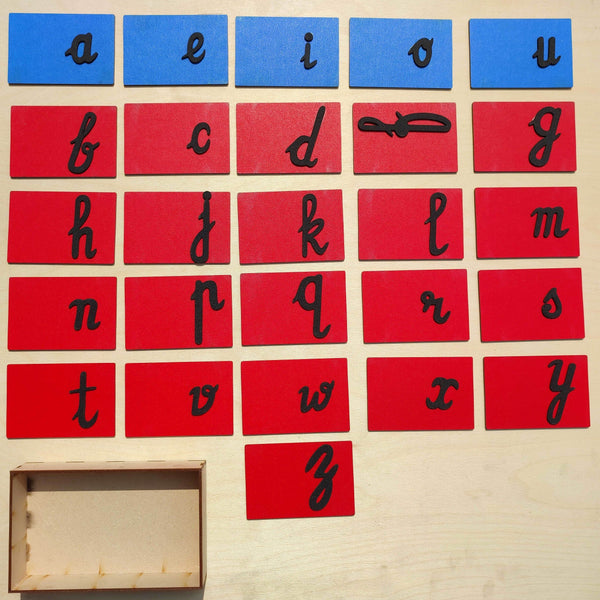
Montessori materials like the Sandpaper Letters introduce phonetic sounds kinesthetically – Priya traces the letter 'm' as she hears its sound, building a strong foundation for reading. Later, the Movable Alphabet allows her to construct words and sentences, giving her agency over her language creation. The concept of 'secret sibling speech' common among twins during early stages, as reported by The Times of India, underscores children's inherent drive to create and master communication systems. Montessori harnesses this natural drive, whether through individual exploration or rich conversations with family members.
Reading and Writing Foundations for Indian Children
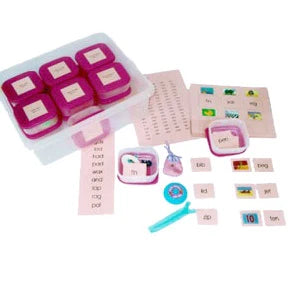
For children aged 3-8, the journey from spoken language to reading and writing is meticulously supported. The Montessori approach moves from sound to symbol, not rote memorization of the alphabet. Sound games, where children identify initial, medial, and final sounds in words, lay a powerful pre-reading foundation. This is particularly effective in India, where diverse phonetics across languages can be complex.
As a child gains phonological awareness, materials like the Sandpaper Letters introduce letter forms, associating them with their sounds. Following this, the Movable Alphabet allows children to build words and sentences before they can physically write them. This separation of difficulties (composing vs. forming letters) reduces frustration and builds confidence. Eventually, metal insets refine pencil grip and control, preparing the hand for formal writing. This sequential, sensorial approach ensures that reading and writing emerge naturally, often with great enthusiasm.
Montessori Homeschooling India: Practical Application and Cultural Resonance
Implementing a Montessori homeschooling curriculum in India means blending its universal principles with our unique cultural fabric. This is not about rigid adherence, but thoughtful adaptation. The "prepared environment" can be a corner of a living room in a small flat, not necessarily a dedicated room. What matters is the order, accessibility, and child-centered nature of the space.
In a joint family setting, grandparents often play a vital role. Their stories, traditional songs, and involvement in daily chores become rich sources of practical life lessons and language immersion. The simple act of a child helping their Dadi roll rotis, learning the names of spices, or assisting during Diwali preparations, is pure Montessori practical life and sensory experience. This natural integration of learning into daily life, rather than isolated "school time," resonates deeply with Indian family values.
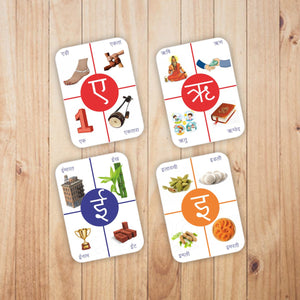
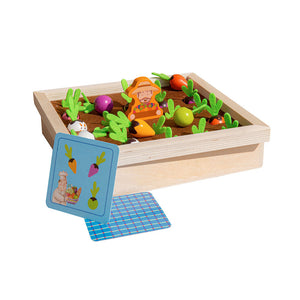
Navigating the rich linguistic diversity of India, where a child might speak Kannada at home and learn English formally, is a strength. As The New Indian Express highlights, language policy must reflect India's realities. Montessori encourages this by allowing children to develop their mother tongue alongside other languages naturally, preventing any language from feeling secondary. Resources like Montessori puzzles depicting Indian festivals or flora can further bridge this cultural gap, making learning relevant and engaging.
The beauty of Montessori homeschooling lies in its adaptability and profound respect for the child's inherent capabilities. By observing your child keenly and providing a responsive environment, you can nurture their cognitive and language development, fostering a lifelong love for discovery. Begin tonight by involving your child in a simple household task, verbally naming each step and material in your native tongue.