Indian Kids Screen Time: Cognitive Risks & Montessori
A recent Business Today report reveals an alarming truth: Indian kids are getting 2X more screen time than recommended, leading to significant Indian kids screen time cognitive risks. This elevated exposure severely impacts crucial developmental areas such as attention span, language acquisition, and executive functions, which are vital for a child's holistic growth and future academic success. Immediate intervention with proven, child-centric strategies is imperative for Indian parents to mitigate these detrimental effects.
Excessive screen time for children, especially in the context of the 2x more screen time India statistic, refers to digital media consumption that exceeds age-appropriate guidelines, often displacing essential play and interaction. This matters immensely because it directly interferes with the critical brain development phases unique to early childhood. Indian parents can proactively address this by prioritizing hands-on, engaging alternatives and setting clear digital boundaries within the family.
The Alarming Truth: Why Indian Kids are at Higher Risk
The statistic from Business Today, highlighting that Indian children spend double the safe amount of time on screens, confirms a growing crisis. Research indicates that this elevated exposure is often due to a confluence of factors unique to Indian households, including the pervasive use of smartphones by adults, increasing urbanization limiting outdoor play, and sometimes, screens being used as convenient pacifiers in busy joint families. This urgent data point underscores why play-based learning deserves equal footing with nutrition in child development, as highlighted by India Today, yet is often overlooked in favor of passive digital entertainment.
Child development experts agree that while screens offer convenience, their overuse in early childhood can create a dependency that impacts natural learning processes. The constant stimulation and passive consumption offered by digital devices often overshadow the need for active exploration, critical thinking, and social interaction that traditional play provides. For many Indian families, navigating the balance between technology integration and healthy development has become a significant challenge.
Unpacking Indian Kids Screen Time Cognitive Risks
The repercussions of excessive screen time for young Indian children extend far beyond mere distraction; they fundamentally alter brain architecture and cognitive processing. Studies consistently show a direct correlation between high screen exposure and developmental challenges. Understanding these specific risks empowers parents to make informed choices for their children's well-being.
Impact on Attention Span and Focus
The rapid-fire visual and auditory stimuli of screens train children's brains for constant novelty, making it difficult to engage with tasks that require sustained attention, such as reading a book or listening to a teacher. This excessive screen time effects on brain manifests as reduced concentration, difficulty following instructions, and struggles with independent work. Children become accustomed to instant gratification, eroding their capacity for patience and deep focus.
Language Delay and Communication Challenges
Language development thrives on interactive conversation, eye contact, and contextual cues – elements largely absent in screen time. Research on the impact of touchscreen digital exposure on children’s social development and communication, such as systematic reviews published in Frontiers, consistently shows that passive screen consumption can lead to delayed speech, limited vocabulary, and difficulties in expressing thoughts and feelings. Real-world interactions, vital for linguistic nuances and social pragmatics, are supplanted by one-way digital engagement.
Reduced Problem-Solving & Critical Thinking
Montessori education emphasizes hands-on exploration and trial-and-error, which are foundational for developing problem-solving and critical thinking skills. Screens, conversely, often provide ready-made solutions or passive entertainment, bypassing the child's need to actively engage with a challenge. Engaging with materials like Montessori puzzles, where a child must physically manipulate pieces to understand spatial relationships and achieve a goal, builds crucial neural pathways that passive screen viewing cannot replicate.
Emotional Regulation & Social Skills Deficits
The lack of real-time social feedback from screens means children miss opportunities to practice empathy, understand non-verbal cues, and negotiate conflicts. This can hinder their ability to regulate emotions, leading to increased frustration or outbursts when faced with real-world social demands. Interacting with peers and family members is indispensable for developing a robust emotional intelligence and resilient social skills.
Montessori Solutions: Reduce Screen Time Indian Children Need
Maria Montessori's philosophy offers a powerful antidote to the screen time crisis, focusing on holistic development through purposeful engagement with the real world. Implementing Montessori screen time solutions helps reduce screen time Indian children consume, by providing rich, stimulating alternatives that genuinely captivate a child's mind and body. This approach doesn't just limit screens; it replaces them with superior developmental opportunities.
Create a Prepared Environment (Sans Screens)
A cornerstone of Montessori is the 'prepared environment,' which means designing your home to be child-friendly, safe, and rich in engaging, hands-on activities. In an Indian home, this could mean setting up a low shelf with age-appropriate books, art supplies, and practical life materials that a child can access independently. When a child's surroundings are naturally stimulating, the allure of screens significantly diminishes, fostering self-directed play and exploration.
Encourage Practical Life Skills & Independence
Involving children in daily household chores – from dusting small tables to helping sort clothes for laundry – builds concentration, coordination, and a sense of contribution. These 'practical life' activities are deeply satisfying for children and inherently engaging, providing tangible learning outcomes. This independence reduces reliance on external entertainment and strengthens their intrinsic motivation.
Foster Concentration with Hands-On Materials
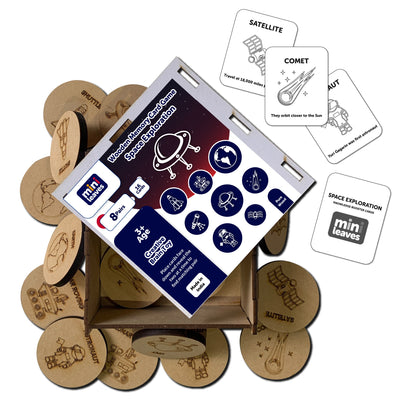
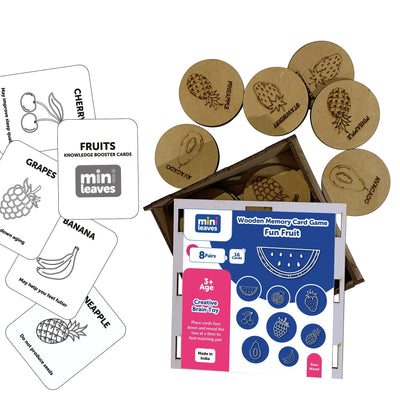
Montessori learning materials are designed to isolate concepts, allowing children to focus on one skill at a time and develop deep concentration. Materials like the Pink Tower for visual discrimination or Sandpaper Letters for pre-reading provide multi-sensory engagement that is profoundly more effective than passive screen viewing. Exploring Montessori learning materials offers a structured yet child-led path to developing complex cognitive abilities.
Prioritize Unstructured Play & Nature Exploration
Beyond structured activities, ensure children have ample time for unstructured play – both indoors and outdoors. Building forts with blankets, engaging in imaginative role-play, or simply exploring a nearby park or garden fosters creativity, social skills, and physical development. These experiences are rich in sensory input and problem-solving opportunities, directly contrasting with the limited sensory experience of screens.
Grandparents and Screen Time: A Balanced Approach
In many Indian families, grandparents play a pivotal role in child-rearing. It's crucial for parents to gently educate and involve grandparents in setting screen time boundaries. Encourage them to engage children with traditional storytelling, indoor games like carrom or ludo, or help with cooking traditional recipes. Leveraging the wisdom and affection of grandparents can create powerful, screen-free bonding experiences that enrich a child's development significantly.
Nurturing Cognitive Development Beyond the Screen
Ultimately, safeguarding children from the risks of excessive screen time involves a conscious shift towards prioritizing active engagement, meaningful interactions, and purposeful play. Child development is a dynamic process that thrives on real-world experiences, not passive observation. By implementing Montessori principles, Indian parents can effectively nurture their children's cognitive and language skills, laying a robust foundation for a future where critical thinking and creativity flourish.
This proactive approach aligns with universal principles for supporting cognitive and physical development in all children, emphasizing the profound impact of a stimulating environment and responsive caregivers. Creating such an environment empowers children to become independent thinkers and confident learners, prepared for the complexities of the modern world without being consumed by its digital distractions.
- Indian children receive 2X more screen time than safely recommended, according to Business Today.
- Excessive screen time for Indian kids significantly increases cognitive risks including reduced attention span, language delays, and impaired problem-solving abilities.
- The Montessori method effectively counters screen time by promoting hands-on engagement, fostering concentration, and building practical life skills.
- Creating a prepared environment rich in accessible, purposeful activities reduces the allure of digital devices for children.
- Real-world interactions, unstructured play, and engagement with specific Montessori materials are crucial for healthy brain development.
- Parents in India can mitigate screen time risks by collaborating with family members, including grandparents, to establish consistent boundaries and offer engaging alternatives.
What are the immediate cognitive risks of excessive screen time for Indian children?
Excessive screen time for Indian children immediately compromises attention spans, delays language acquisition, and inhibits the development of crucial problem-solving skills. It also impacts working memory and executive functions vital for learning.
How does the Montessori approach help reduce screen time effectively?
The Montessori approach naturally reduces screen time by fostering engagement with a prepared environment rich in hands-on, purposeful activities. It builds intrinsic motivation for exploration and learning, making screens less appealing.
Is there a safe amount of screen time for young children (0-8 years) in India?
Child development experts recommend zero screen time for children under 18 months, except for video calls with family. For children 2-5 years, limited, high-quality educational content for up to one hour daily is suggested, with parental co-viewing.
How can Indian parents manage screen time when children attend online classes?
Indian parents can manage online class screen time by ensuring frequent breaks, incorporating physical activity, and complementing digital learning with hands-on, offline reinforcement activities. Prioritize interactive learning and balance with sensory experiences.
What specific Montessori materials help improve cognitive skills affected by screen time?
Montessori materials like the Pink Tower and Brown Stair develop spatial reasoning, Sandpaper Letters and Movable Alphabets support language, and various practical life activities enhance fine motor skills and concentration. These materials directly counter the passive engagement of screens.