Malayalam Language Benefits for Kids: Early Cognitive Edge
Early immersion in Malayalam offers significant Malayalam language benefits for kids, profoundly impacting their cognitive and linguistic development. Research shows that introducing regional languages like Malayalam from an early age enhances a child's brain architecture, fostering superior problem-solving abilities and executive function skills. This proactive approach lays a robust foundation for lifelong learning and intellectual growth, making children more adaptable and articulate.
As Indian parents in Bengaluru increasingly seek comprehensive developmental advantages for their children, understanding the 'why' behind early regional language learning becomes crucial. Beyond cultural preservation, the scientific evidence for cognitive gains is compelling. This post explores how embracing Malayalam early can provide your child with an undeniable intellectual edge, preparing them for a future where adaptability and multi-faceted thinking are paramount.
What is Early Malayalam Language Learning?
Early Malayalam language learning involves introducing children to the Malayalam language from birth through their foundational years (0-8). This matters because a child's brain is most receptive to language acquisition during this critical period. Indian parents can facilitate this by integrating Malayalam into daily conversations, storytelling, and play activities within the home.
The Science Behind Early Language Acquisition
Studies consistently indicate that the human brain exhibits remarkable plasticity during early childhood, making it highly adept at absorbing linguistic patterns. Introducing a regional language like Malayalam at this stage capitalizes on a child's innate capacity for language acquisition, creating denser neural connections. This process, often referred to as 'brain wiring,' forms the basis for advanced cognitive functions.
Neuroscientific research highlights that children exposed to multiple languages develop stronger executive functions, including enhanced attention control, working memory, and cognitive flexibility. This aligns with national initiatives like 'Mission Aarambh' in Punjab, which emphasizes strengthening early childhood learning through parental engagement. The early exposure to Malayalam builds a resilient cognitive framework that supports overall academic and social development, extending beyond mere vocabulary recall.
Enhanced Cognitive Development: Beyond Words
One of the most profound cognitive development regional language advantages is the significant boost to executive functions. Children who learn Malayalam early demonstrate superior abilities in task-switching, problem-solving, and filtering distractions. This mental agility translates into better performance across various academic subjects and everyday challenges, making them quick thinkers and adaptable learners.
The intricate phonology and grammatical structures of Malayalam specifically stimulate different areas of the brain, leading to a more holistic development of cognitive pathways. Engaging with language through interactive methods, much like exploring Montessori puzzles, enhances spatial reasoning and logical thought processes. The mental gymnastics involved in navigating two language systems simultaneously fundamentally strengthens their cognitive architecture, fostering a deeper understanding of linguistic patterns and concepts.
Malayalam for Brain Development: A Unique Linguistic Advantage
Integrating Malayalam into a child's early learning environment significantly contributes to robust Malayalam for brain development. As a Dravidian language, Malayalam possesses unique linguistic characteristics that provide specific cognitive stimuli. Its rich sound system and complex morphology challenge the young brain in ways that can enhance phonological awareness and analytical skills, which are crucial for literacy development.
Child development experts agree that exposure to a rich linguistic environment, especially one's mother tongue, builds a strong sense of identity and improves emotional regulation. This is particularly relevant in diverse Indian homes, where grandparents often play a vital role in passing on linguistic heritage through stories and songs. Such interactions are not just cultural but are powerful tools for brain development, enhancing memory and verbal fluency.
Fostering Bilingualism in India: A Montessori Approach
Embracing bilingualism advantages India offers extends far beyond communication; it's a gateway to cultural richness and advanced cognitive skills. The Montessori method inherently supports language acquisition through a carefully prepared environment, sensory materials, and opportunities for independent exploration. Materials like sandpaper letters and language cards can be effectively adapted for Montessori Malayalam, allowing children to physically engage with the script and sounds.
Maria Montessori's philosophy emphasizes that children absorb language effortlessly from their surroundings. By creating a home environment rich in Malayalam—through books, conversations, and traditional songs—parents can naturally nurture bilingualism. This approach not only strengthens their cognitive abilities but also deepens their connection to their heritage, fostering a strong sense of identity within a globalized world. Explore our main collection of Montessori learning materials to support holistic development.
Practical Steps for Parents in Bengaluru
Parents in Bengaluru can proactively integrate Malayalam into their children's daily lives to reap these cognitive benefits. Start with consistent, natural conversations in Malayalam, even if it's alongside another language. Reading Malayalam storybooks, reciting rhymes, and singing traditional songs are highly effective methods to build vocabulary and comprehension. These activities foster a joyful association with the language, making learning an organic process.
Engaging grandparents and extended family is invaluable. Their rich stories and everyday interactions in Malayalam provide authentic exposure and strengthen family bonds. Incorporate Malayalam during festivals and cultural celebrations, making the language a living part of their experience. Even short, daily sessions dedicated to playful language learning can make a significant difference, preparing children for academic success and broader linguistic competency, much like the focus on strengthening early childhood learning seen in nationwide initiatives.
- Early Malayalam exposure (0-8 years) significantly enhances cognitive development, building stronger neural pathways.
- Bilingualism in Malayalam improves executive functions like attention, problem-solving, and cognitive flexibility in children.
- The unique linguistic features of Malayalam stimulate distinct brain areas, boosting phonological awareness and analytical skills.
- Montessori principles support natural Malayalam language acquisition through a prepared, language-rich environment.
- Learning Malayalam deepens cultural identity while providing a measurable intellectual advantage for Indian children.
- Consistent daily exposure, including conversations and stories, is key to fostering strong Malayalam language skills.
What age is best to introduce Malayalam to children?
The optimal period to introduce Malayalam is from birth through early childhood (0-8 years), capitalizing on a child's natural linguistic plasticity. Infants and toddlers readily absorb language nuances, making early exposure highly effective for developing strong foundational skills.
Does learning Malayalam early confuse children with other languages?
No, research consistently shows that early bilingualism, including learning Malayalam, does not confuse children. Instead, it enhances their cognitive flexibility and improves their ability to switch between different linguistic systems seamlessly.
How does Montessori education support Malayalam language learning?
Montessori education supports Malayalam language learning through a prepared environment rich with language materials, sensory experiences, and guided activities. This approach allows children to absorb language naturally, develop vocabulary, and build literacy skills at their own pace, much like they learn other practical life skills.
Are there specific materials for teaching Malayalam to young kids?
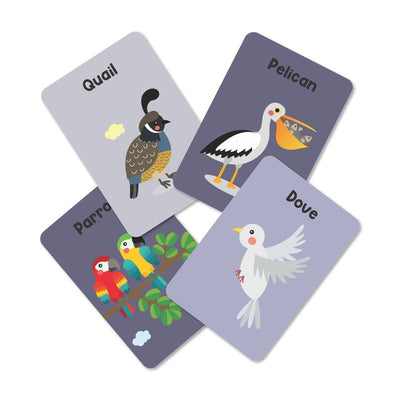
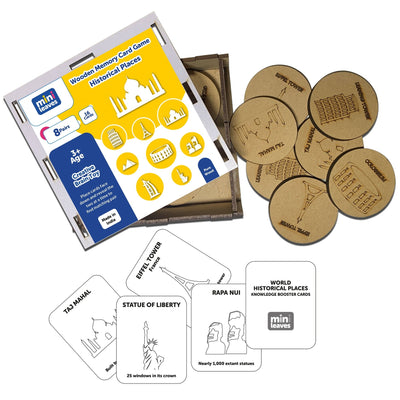
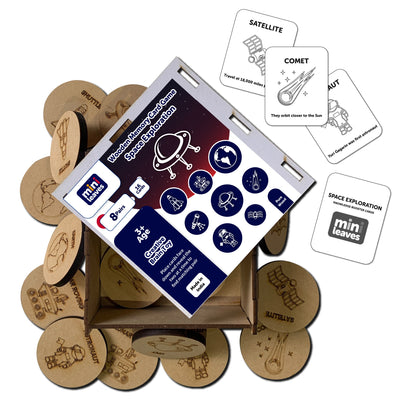
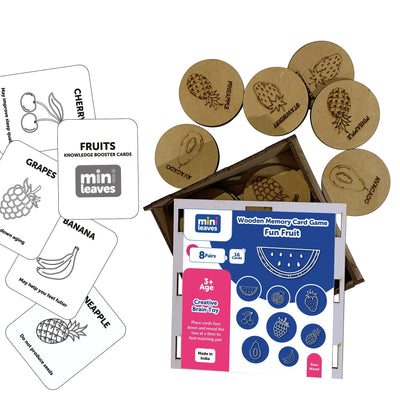
Yes, effective materials for teaching Malayalam include picture cards, storybooks, rhymes, alphabet puzzles, and verbal interaction. SkilloToys offers a range of Montessori-inspired tools that can be adapted to foster regional language learning, promoting hands-on engagement.
What are the long-term advantages of bilingualism for Indian children?
The long-term advantages of bilingualism for Indian children include enhanced cognitive flexibility, improved problem-solving skills, better academic performance, and stronger cultural identity. It also opens doors to greater career opportunities and facilitates deeper connections within diverse communities.
Can early Malayalam learning help with school readiness?
Yes, early Malayalam language learning significantly contributes to school readiness by developing strong phonological awareness, a rich vocabulary, and improved communication skills. These foundational linguistic abilities transfer positively to learning other subjects and adjusting to academic environments, preparing children for structured learning.