Malyalam Activities for Kids: Montessori Guide (0-8)
Integrating malyalam language learning into a child's early years through Montessori methods provides a rich, sensory-based foundation for linguistic development, empowering children aged 0-8 to connect deeply with their heritage. These practical activities foster not just vocabulary but also cultural fluency and cognitive growth, as research shows early language exposure significantly boosts brain development and enhances overall cognitive flexibility.
For Indian parents, nurturing proficiency in native languages like Malayalam is crucial for cultural identity and family bonds, especially with grandparents. SkilloToys.com, India's leading Montessori educational toys store in Bengaluru, understands this need, offering science-backed approaches to help your child thrive linguistically.
What are Montessori Malayalam Language Activities?
Montessori Malayalam language activities focus on hands-on, multi-sensory engagement to build foundational linguistic skills from birth. This matters because a strong native language base enhances overall cognitive development and cultural identity in young Indian children. Parents can integrate these methods by providing a prepared environment rich in Malayalam language stimuli.
Fostering Early Malayalam Sounds (0-18 Months)
During the crucial first 18 months, infants are highly receptive to auditory stimuli, making it the perfect time to introduce Malayalam sounds and rhythms. Studies consistently demonstrate that early exposure to native language phonemes creates robust neural pathways for linguistic processing. Engage your little one by consistently speaking in Malayalam during daily routines like feeding, bathing, and playtime.
Read simple Malayalam picture books, sing traditional lullabies (താരാട്ടുപാട്ടുകൾ), and describe objects in their surroundings using Malayalam words. For instance, when pointing to a flower, say "പൂവ്" (poovu) clearly. This constant, gentle immersion helps them internalize the soundscape of the language, much like the successful parental engagement seen in initiatives like Punjab's Mission Aarambh.
Developing Malayalam Vocabulary Through Sensory Play (18 Months - 3 Years)
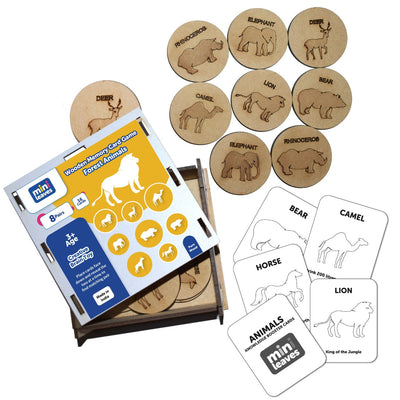
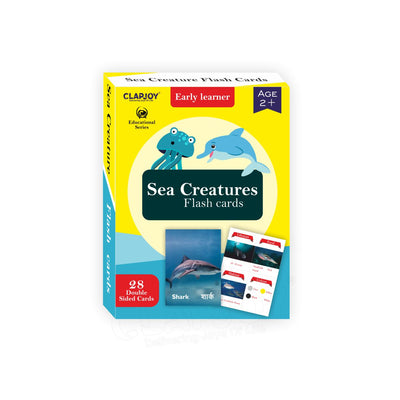
As toddlers become more mobile and curious, their absorbent minds are primed for vocabulary acquisition through sensory experiences. Maria Montessori emphasized learning through the senses, and this principle is vital for teaching Malayalam for kids. Introduce classified cards (ഒന്നിപ്പ് കാർഡുകൾ) featuring everyday objects, animals, and family members, labeling them clearly in Malayalam.
Utilize "three-period lessons": "This is a cat (പൂച്ച)," "Show me the cat (പൂച��ച)," and "What is this? (ഇതെന്താണ്?)." Incorporate playdough to form simple Malayalam letter shapes or use puzzles that depict familiar Indian scenes, naming each element in Malayalam. Engage grandparents in storytelling sessions, allowing them to share folk tales (നാടൻ കഥകൾ) and expand vocabulary organically.
Mastering Malayalam Alphabet Activities (3-6 Years)
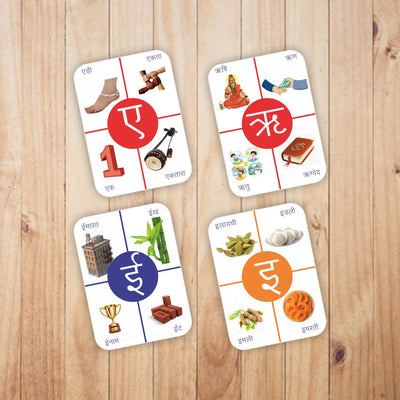
This age group is ready for more structured exploration of the Malayalam alphabet (അക്ഷരമാല). Child development experts agree that a multi-sensory approach is most effective for early literacy. Introduce sandpaper letters (മണൽ കടലാസ് അക്ഷരങ്ങൾ) for tactile learning, allowing children to trace the Malayalam script with their fingers while verbalizing the sound.
Move to movable alphabet sets, where children can construct simple Malayalam words phonetically. Play "I Spy" with Malayalam words, focusing on initial sounds, or create word families. Encourage children to "write" using chalkboards or whiteboards, focusing on the joy of expression rather than perfect formation. This foundational work in Montessori language materials Malayalam prepares them for reading and writing.
Nurturing Early Malayalam Reading and Writing (6-8 Years)
By ages 6-8, children are ready to transition from phonetic awareness to reading and composing in Malayalam. Provide a rich selection of simple Malayalam books, comics, and magazines. Encourage them to read aloud, fostering fluency and comprehension. Introduce grammar boxes and sentence construction exercises using Malayalam words.
Engage children in writing simple letters to family members or creating short stories about their favorite Indian festivals. This practical application solidifies their understanding and builds confidence. The principles of teletherapy for developmental language disorder, which show effectiveness in India, highlight the importance of consistent, structured language intervention, even for typically developing children learning their native tongue.
Integrating Malayalam Learning into Indian Homes
Successful early Malayalam learning hinges on a prepared environment and consistent reinforcement within the home. Research shows that children with a strong foundation in their native language often perform better academically overall, even in English-medium schools. Here's how Indian parents can seamlessly integrate these practices:
- Language-Rich Environment: Label household items in Malayalam, creating a "living dictionary."
- Storytelling Traditions: Encourage grandparents to share stories, proverbs, and rhymes in Malayalam. This preserves cultural heritage and enriches vocabulary.
- Festival Celebrations: Explain rituals, songs, and food associated with festivals like Onam or Vishu in Malayalam.
- Daily Conversations: Make it a point to converse in Malayalam regularly, even if it's just for certain activities or times of the day.
- Creative Expression: Encourage drawing and writing about daily experiences or school pressure using Malayalam words and phrases.
By consistently applying these Montessori principles, parents can ensure their children not only learn Malayalam but also develop a deep appreciation for their linguistic and cultural roots. SkilloToys.com offers a curated selection of Montessori educational toys designed to support every stage of this enriching journey.
- Early and consistent exposure to Malayalam from birth significantly enhances a child's linguistic and cognitive development.
- Montessori methods emphasize multi-sensory, hands-on activities, making Malayalam learning engaging and effective for children aged 0-8.
- The "three-period lesson" is a foundational Montessori technique for teaching Malayalam vocabulary and concepts.
- Sandpaper letters and movable alphabets are crucial Montessori language materials for tactile and phonetic Malayalam literacy.
- Bilingualism, including learning Malayalam and English, strengthens cognitive flexibility and problem-solving skills in young children.
- Integrating Malayalam into daily home routines, family storytelling, and cultural celebrations fosters both linguistic proficiency and cultural identity.