Malyalam for Kids: Montessori Guide to Early Development (0-8)
Giving children the gift of their mother tongue, malyalam, from an early age is a profound investment in their cognitive and cultural development. Child development experts agree that early exposure to regional languages like Malayalam significantly enhances a child’s linguistic flexibility and cultural identity. This guide outlines how Montessori principles can effectively nurture early Malayalam language acquisition for children aged 0-8, ensuring a strong foundation.
Early Malayalam language learning is the process of introducing children to the Malayalam language from infancy through playful, interactive, and culturally rich experiences. This matters because it not only builds a strong linguistic base but also fosters deeper cognitive connections and cultural pride within Indian families. Indian parents can actively integrate Malayalam into daily routines through stories, songs, and specially designed Montessori materials.
The Unique Benefits of Early Malayalam Language Learning for Cognitive Growth
Research consistently shows that early exposure to multiple languages, including regional ones like Malayalam, profoundly impacts a child's developing brain. Learning Malayalam from an early age acts as a powerful cognitive stimulant, enhancing mental agility and critical thinking skills. This linguistic advantage helps children navigate complex thought processes more effectively.
Enhancing Memory and Critical Thinking
Navigating the nuances of two distinct language systems, such as English and Malayalam, strengthens a child's executive functions. Studies indicate that children learning multiple languages often exhibit superior problem-solving abilities and a greater capacity for cognitive flexibility. This early mental workout primes their brains for academic success and adaptability in later life.
Fostering Cultural Identity and Connection
In the vibrant tapestry of Indian homes, particularly in Kerala and among Malayali communities, language is the heart of culture. Early Malayalam acquisition ensures that children can communicate effortlessly with grandparents, participate in traditional festivals, and understand family stories, thereby cementing their cultural roots. This connection is vital for a strong sense of self and belonging, especially in joint families where intergenerational bonds are cherished.
Montessori Principles for Nurturing Malayalam Language Skills (0-8)
Maria Montessori's philosophy offers a powerful framework for language development, emphasizing a prepared environment and the child's natural inclination to absorb information. This approach is particularly relevant today, contrasting sharply with concerns about digital exposure, where one-third of children in the US reportedly try to swipe physical books instead of turning pages. The Montessori method prioritizes tangible, hands-on experiences over screen time for deep learning.
The Absorbent Mind: Foundation for Language Acquisition
From birth to six years, children possess an 'absorbent mind,' a unique capacity to effortlessly soak up knowledge from their environment. During this sensitive period for language, children are particularly receptive to linguistic input. By providing rich Malayalam language exposure through conversation, storytelling, and song, parents can capitalize on this innate ability, laying a strong foundation without formal pressure.
Practical Activities for Malayalam Language Development at Home
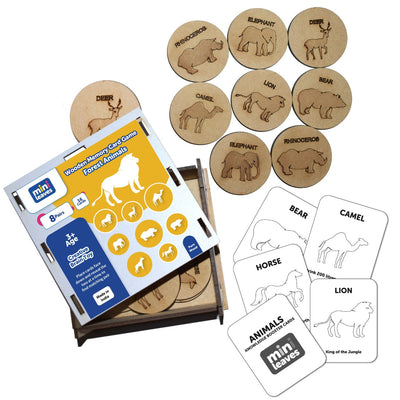
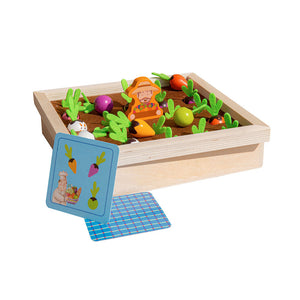
Creating a Malayalam-rich environment doesn't require complex lessons. Simple daily interactions like describing objects in Malayalam, singing traditional lullabies, and reading Malayalam storybooks are highly effective. Incorporating Montessori materials, such as language cards with Malayalam words or objects for classification, encourages hands-on learning. Engaging with physical puzzles that feature Malayalam alphabets or common objects can also make learning fun and interactive, directly addressing concerns about passive screen consumption.
Age-Specific Strategies for Early Malayalam Language Development
Effective language learning is tailored to a child's developmental stage. Understanding these phases allows parents to provide targeted support for their child's Malayalam journey, moving from passive listening to active communication and literacy. The impact of excessive screen time, as highlighted by reports from The Week, underscores the need for purposeful, interactive language engagement.
0-18 Months: The Spoken Word Immersion
During infancy, focus on immersive listening. Talk to your baby frequently in Malayalam, describe your actions, and respond to their babbles. Sing traditional Malayalam songs and recite simple rhymes. This constant auditory input familiarizes them with the sounds, rhythm, and intonation of the language, forming crucial neural pathways for future communication.
18-36 Months: Expanding Vocabulary and Simple Sentences
As toddlers begin to speak, introduce concrete vocabulary. Point to objects and name them in Malayalam. Use picture cards, storybooks, and simple commands. Encourage them to repeat words and form short sentences. Visiting grandparents often can naturally immerse them in conversation, expanding their vocabulary organically. Engaging with age-appropriate Montessori language materials like matching cards can also reinforce learning.
3-6 Years: Phonetic Awareness and Early Reading
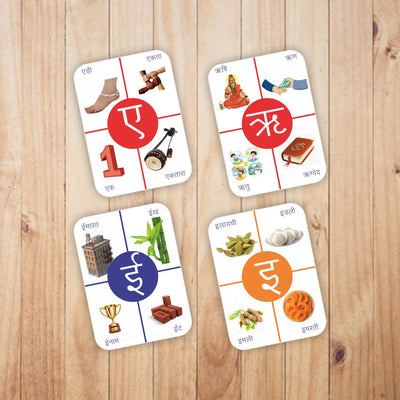
Preschool years are ideal for developing phonetic awareness. Introduce Malayalam alphabet recognition through sensorial materials like sandpaper letters, allowing children to trace and feel the letter forms. Play sound games, identifying initial sounds of words. Simple Malayalam storybooks and engaging interactive sessions foster a love for reading and prepare them for formal literacy, reducing reliance on screens that can impact social development.
6-8 Years: Reading, Writing, and Cultural Narratives
As children enter school, support their transition to reading and writing Malayalam. Encourage them to read simple stories, write short sentences, and engage in creative expression in Malayalam. Introduce them to folk tales, proverbs, and cultural narratives. This stage not only builds literacy but also deepens their understanding and appreciation of their heritage.
- Early Malayalam language learning significantly enhances cognitive functions like problem-solving and critical thinking.
- The Montessori 'absorbent mind' (0-6 years) is a prime period for natural and effortless language acquisition.
- Consistent exposure to Malayalam through daily conversations, songs, and storytelling strengthens cultural identity and family bonds.
- Hands-on Montessori materials and purposeful activities are more effective for language development than passive screen time.
- Age-specific strategies, from immersive listening in infancy to reading and writing in early school years, ensure comprehensive development.
- Multilingualism from a young age provides a child with lifelong cognitive advantages and a rich connection to their heritage.
What age is best to start teaching Malayalam?
Research shows that the period from birth to around six years is ideal for language acquisition, often referred to as the 'sensitive period' in Montessori philosophy. Introducing Malayalam from infancy allows children to absorb the language naturally and effortlessly.
How can I teach Malayalam if I'm not fluent myself?
Even if you're not fully fluent, consistent exposure through songs, stories, and simple phrases is highly effective. Grandparents or other fluent family members can also play a vital role, along with engaging with Montessori language materials and children's books.
Are there benefits to learning Malayalam early for cognitive development?
Absolutely. Studies indicate that early bilingualism or multilingualism enhances cognitive functions such as problem-solving, critical thinking, and memory retention. Learning Malayalam from a young age provides a robust mental workout for a child's developing brain.
How does Montessori support Malayalam language learning?
The Montessori method emphasizes a prepared environment and hands-on, sensorial materials to facilitate language acquisition. Activities like sandpaper letters, story baskets, and phonetic games make learning Malayalam engaging and developmentally appropriate for children 0-8.
Is screen time helpful for early Malayalam language learning?
While some educational apps exist, child development experts agree that excessive screen time can hinder genuine language development. Interactive, real-world experiences, conversations, and physical puzzles and toys are far more effective for deep linguistic and social-emotional growth.