Malyalam Learning: Montessori Activities & Toys 0-8
To effectively nurture early malyalam language skills in children from birth to eight years, Montessori education offers a structured yet adaptable approach, focusing on a prepared environment and sensory engagement. Parents can facilitate this through specific, age-appropriate activities and educational toys that naturally immerse children in the rich sounds, vocabulary, and script of Malayalam. This method promotes intrinsic motivation and deep linguistic understanding, making learning a joyous discovery.
How to foster early Malayalam language skills effectively? Montessori Malayalam language learning focuses on providing a rich, prepared environment where children absorb the language naturally through sensory experiences and purposeful activities. This approach matters because it aligns with a child's sensitive periods for language acquisition, making learning intuitive and lasting. Indian parents can implement this by integrating Malayalam into daily routines and utilizing specialized Montessori materials.
Montessori Principles for Early Malayalam Language Development
Child development experts agree that a prepared environment is fundamental to Montessori language acquisition. This involves creating a space rich in linguistic stimuli, where children are encouraged to explore and discover at their own pace. For early Malayalam learning for kids, this means providing access to age-appropriate books, culturally relevant stories, and opportunities for verbal interaction within the home, especially important in joint Indian families where grandparents often play a vital role in language transmission.
Research shows that children possess sensitive periods for language acquisition, particularly between birth and six years. During this time, they absorb linguistic information effortlessly, much like a sponge. Leveraging this period through Montessori Malayalam activities ensures that children not only learn the language but also develop a deep, intuitive understanding of its nuances and cultural context, preparing them for academic success without undue pressure.
Practical Montessori Malayalam Activities for Infants (0-18 Months)
Infancy is a crucial period for foundational Malayalam language development. Infants primarily absorb language through auditory input. Parents should engage in consistent, gentle verbal communication, narrating daily activities in Malayalam. This includes describing what you are doing, naming objects, and singing traditional Malayalam lullabies (thalattu).
Studies indicate that consistent exposure to a language's sounds, even before comprehension, builds essential neural pathways. Indian parents can use simple Malayalam words like 'Amma,' 'Appa,' 'Paal' (milk), and 'Vellam' (water) frequently. Providing safe, tactile objects and verbally labeling them in Malayalam enhances sensory learning and early vocabulary acquisition.
Engaging Toddlers with Montessori Malayalam (18 Months - 3 Years)
For toddlers, Montessori Malayalam activities transition from passive listening to active engagement. This age group thrives on hands-on exploration and repetition. Introduce simple object boxes where items are named in Malayalam, allowing the child to match the object to the word.
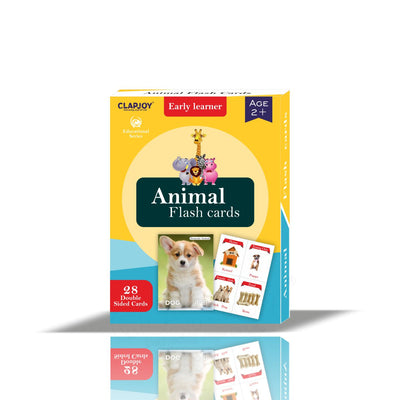
Educational toys for Malayalam learning, such as picture cards featuring common animals, fruits, or household items, are invaluable. Parents can play matching games, asking, "Ivide Kozhi evide?" (Where is the hen here?). Simple puzzles that require matching or sorting can also be used to reinforce Malayalam vocabulary, making learning interactive and fun. Mission Aarambh's focus on strengthening early childhood learning through digital platforms highlights the importance of parent involvement, though a balance with hands-on learning is key, as suggested by reviews on digital exposure.
Fostering Malayalam Fluency in Preschoolers (3-6 Years)
Preschoolers are ready for more structured Montessori Malayalam activities that introduce the written word. This stage is ideal for presenting the Malayalam alphabet through sensorial materials. Sandpaper letters for the Malayalam script allow children to trace the letter forms, connecting the tactile sensation with the sound and visual representation.
The Movable Alphabet, a cornerstone of Montessori language education, enables children to construct Malayalam words and sentences phonetically before they can hold a pencil. Incorporate role-playing scenarios in Malayalam, like "Kada" (shop) or "Veedu" (home), encouraging communication and practical language use. SkilloToys offers a wide range of materials in their main collection that can be adapted for this purpose.
Advancing Malayalam Skills for Early Schoolers (6-8 Years)
As children enter early schooling, the focus shifts to refining reading, writing, and grammatical understanding of Malayalam. This is where learn Malayalam 0-8 goals culminate in more complex linguistic abilities. Encourage reading Malayalam children's literature, which not only builds vocabulary but also connects children to cultural stories and traditions.
Journaling in Malayalam, even with simple sentences, helps solidify writing skills. Grammar games and activities, such as identifying nouns, verbs, or adjectives in Malayalam sentences, reinforce structural understanding. This structured approach, adapted for cognitive development, is particularly beneficial, as emphasized by the support for children with Down Syndrome in educational initiatives mentioned in The Times of India, ensuring all children can thrive.
- Montessori methods leverage children's sensitive periods for early Malayalam language acquisition from birth to 8 years.
- A prepared environment rich in Malayalam linguistic stimuli is crucial for natural language absorption.
- Hands-on, sensorial activities are more effective for language development than excessive digital exposure.
- Traditional Indian elements like lullabies and family interactions significantly enhance Malayalam learning.
- Educational toys and materials can be adapted to teach Malayalam vocabulary, phonetics, and script.
- Consistent exposure and interactive engagement are vital for fostering fluency and cultural connection in Malayalam.
What is the best age to start Malayalam language learning?
Research indicates that the optimal time to introduce a new language, including Malayalam, is from birth, during a child's sensitive period for language acquisition. Early exposure fosters natural fluency and a native accent, laying a strong foundation for future linguistic development.
How do Montessori materials aid in Malayalam language development?
Montessori materials are designed to be self-correcting and sensorial, engaging children through touch, sight, and sound. For Malayalam, this includes tactile sandpaper letters, movable alphabets, and picture cards that link visual representation with spoken words, making abstract concepts concrete and accessible.
Can I teach Malayalam if it's not my primary language?
Yes, absolutely. The key is consistent exposure and genuine enthusiasm. Parents who are not native Malayalam speakers can utilize resources like children's books, songs, age-appropriate educational toys, and even Malayalam speaking grandparents to create an immersive learning environment for their child.
How much screen time is appropriate for early Malayalam learning?
Child development experts advise limiting screen time for young children, especially for language acquisition. Hands-on Montessori activities and direct interaction are significantly more effective. Excessive digital exposure, as studies suggest, can negatively impact social development and communication, making physical materials crucial.
Are there specific Montessori toys for Malayalam learning?
While not always explicitly labelled 'Malayalam,' many Montessori educational toys are highly adaptable. Examples include language object boxes, phonetic sound boxes, picture-word matching cards, and puzzles featuring letters or common objects, all of which can be customized to teach Malayalam vocabulary and script.