Maternal Mental Health & Child Development: A Montessori Guide
Understanding the profound link between maternal mental health and child development, particularly cognitive and language skills, is crucial for every parent. Research clearly shows that a mother's emotional well-being significantly shapes her child's earliest experiences, forming the foundation for future learning and communication. This influence extends across all aspects of a child's growth, from their ability to form words to their capacity for problem-solving.
Maternal mental health refers to a woman's emotional, psychological, and social well-being during pregnancy and after childbirth. This matters because it directly impacts her capacity to create a responsive and nurturing environment for her child. Indian parents can proactively support this by recognizing its importance and seeking resources for their own well-being.
The Profound Link: Maternal Mental Health Child Development
The earliest years of a child's life are a period of immense brain development, where experiences literally shape neural pathways. Studies indicate that a mother's emotional state directly impacts the 'prepared environment' that Maria Montessori so eloquently described. When a mother experiences stress or mental health challenges, it can subtly alter her interactions, responsiveness, and availability, which are vital for a child's cognitive and language acquisition.
Research consistently shows that children of mothers experiencing chronic stress or depression may exhibit delays in cognitive milestones and language development. The stress hormone cortisol, for instance, can be passed from mother to child, potentially affecting the child's developing stress regulation systems and overall brain architecture. This impact of parental stress on child development underscores the need for comprehensive support systems.
For instance, a mother who is consistently engaged and converses with her child, even during routine tasks like preparing meals or during a festival celebration, provides rich linguistic input. This consistent interaction fosters vocabulary expansion, sentence structure understanding, and the crucial give-and-take of conversation, all vital for robust language development.
Montessori's Prepared Environment: Beyond Just Toys
The Montessori philosophy emphasizes the 'prepared environment' as fundamental for a child's optimal development. While often thought of in terms of materials like the Pink Tower or geometric solids, Montessori stressed that the adult is the most crucial part of this environment. An emotionally stable and responsive adult creates a psychologically safe space where a child feels secure enough to explore, learn, and express themselves.
A nurturing environment for cognitive growth is one where the child feels loved, understood, and consistently supported. When a mother is well, she is better able to observe her child, respond to their cues, and provide challenges appropriate to their developmental stage. This consistent, positive interaction is paramount for developing problem-solving skills, memory, and sustained attention.
The Adult as the Heart of the Environment
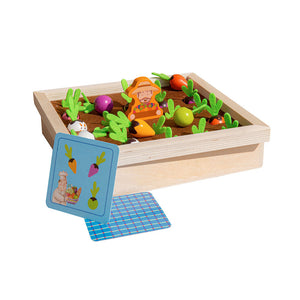
Maria Montessori believed that the adult's role is not just to teach, but to observe and guide, acting as a calm, consistent presence. A mother's mental health directly influences her ability to embody this role effectively. When a mother is balanced, she can offer the patient, non-judgmental attention that allows a child to concentrate on tasks like working with Montessori puzzles, developing logical thinking and fine motor skills.
This calm presence is particularly important in busy Indian households, where children often interact with multiple caregivers. When the primary caregiver, usually the mother, emanates serenity, it permeates the entire home, creating a stable emotional foundation for the child. This stability is a bedrock for curiosity and independent learning.
Fostering Language Through Connection
Language development tips for parents often focus on reading aloud or using specific vocabulary, but the most powerful tool is connection. Children learn language most effectively in the context of meaningful relationships. A mother who is emotionally available and engages in 'serve and return' interactions — responding to her child's babbles, gestures, and words — provides the direct feedback loops essential for language acquisition.
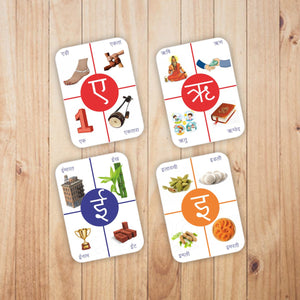
Consider a child observing their mother prepare for Diwali or a family gathering. A calm, communicative mother can narrate the process, naming items, colors, and actions, enriching the child's understanding and vocabulary. This immersive, real-world language exposure, combined with materials like sandpaper letters, significantly boosts a child's linguistic journey.
Nurturing Parental Well-being Child Development in Indian Homes
In India, where family structures are often extended, the concept of parental well-being child development takes on unique dimensions. While joint families offer a built-in support system, they can also present their own pressures. It's vital for parents, especially mothers, to acknowledge their mental health needs without stigma.
Initiatives like Punjab's Mission Aarambh, connecting over 1.6 lakh parents to strengthen early childhood learning, highlight the growing recognition of parental involvement and well-being. This community approach aligns perfectly with Montessori's emphasis on a supportive network, where emotional support for children begins with supporting the parents.
Prioritizing parental mental health child development in India means encouraging mothers to take breaks, pursue hobbies, and seek professional help if needed. Grandparents can play a crucial role, not just in childcare, but in offering emotional solace and practical help. Even small gestures, like taking a moment for chai and quiet reflection, can significantly contribute to a mother's equilibrium.
Remember, a mother's well-being is not a luxury but a fundamental component of her child's successful cognitive and language development. By tending to their own emotional health, Indian mothers create a resilient, loving, and intellectually stimulating 'ghar ka mahaul' (home environment) where their children can truly flourish.
- Maternal mental health profoundly shapes a child's cognitive and language development from birth.
- A mother's emotional stability creates a crucial 'prepared environment' for a child's psychological and intellectual growth.
- Chronic parental stress can negatively impact a child's brain development and ability to regulate emotions.
- Responsive, engaged interaction between mother and child is fundamental for robust language acquisition.
- In Indian homes, leveraging family support and community initiatives is vital for fostering maternal well-being.
- Prioritizing a mother's mental health is a direct investment in a child's lifelong learning capabilities.
How does a mother's mental health impact a child's language development?
A mother's mental health directly influences a child's language development by affecting the quality and quantity of interactions. A mother who is present and responsive provides a rich linguistic environment, fostering secure attachment crucial for early communication skills.
What is a 'prepared environment' in Montessori for emotional well-being?
In Montessori, a 'prepared environment' extends beyond physical order to include emotional calm and stability. It signifies a space where the child feels safe, respected, and understood, enabling them to explore and learn without undue stress or anxiety, directly influenced by parental demeanor.
Can parental stress truly affect a child's cognitive growth?
Yes, research clearly shows that chronic parental stress can elevate stress hormones in children, potentially affecting brain development and cognitive functions like attention and problem-solving. A calm, predictable environment is essential for optimal brain architecture and learning.
What practical steps can Indian parents take to support maternal mental health?
Indian parents can prioritize self-care, seek support from family (including grandparents) or community, and communicate openly about struggles. Delegating responsibilities, practicing mindfulness, and ensuring adequate rest are vital for a mother's well-being.
How do Montessori materials aid children whose mothers face mental health challenges?
Montessori materials, with their self-correcting nature and clear purpose, can offer children a sense of order, control, and achievement, which can be particularly grounding when home environments are challenging. They provide a predictable, engaging outlet for cognitive development.