Montessori Activities for Down Syndrome Children (0-8)
Montessori activities for children with Down Syndrome provide a uniquely structured and supportive environment, proving crucial for optimal cognitive and language development from birth to eight years. Research consistently demonstrates that early, individualized intervention significantly enhances developmental trajectories, empowering Indian families to foster their child's potential at home.
Down Syndrome is a genetic condition caused by an extra copy of chromosome 21, leading to varying degrees of intellectual disability and developmental delays. This matters because early, targeted educational support can profoundly influence a child's future abilities. Indian parents can proactively implement Montessori principles to create a stimulating home learning environment.
Early Intervention with Montessori for Down Syndrome
The significance of early intervention for children with Down Syndrome cannot be overstated. Studies indicate that children who receive comprehensive support from an early age show substantial improvements in developmental milestones compared to those without. For Indian families navigating this journey, integrating Montessori principles offers a holistic and respectful approach that honors the child's individual pace and potential.
As noted by Timesofindia.com, supporting cognitive and physical development in children with Down Syndrome is paramount. The Montessori method naturally aligns with this goal, providing a 'prepared environment' where children are encouraged to learn through self-directed activity, hands-on learning, and collaborative play. This foundation is especially beneficial for children with Down Syndrome, who thrive with consistency and concrete learning experiences.
Fostering Cognitive Development Down Syndrome
Cognitive development in children with Down Syndrome benefits immensely from the concrete, sequential nature of Montessori materials. Activities like stacking blocks, sorting by size and colour, and using puzzles challenge their problem-solving skills and enhance logical thinking. These hands-on experiences help bridge abstract concepts with tangible understanding.
For children aged 0-3, focus on sensory exploration. Materials like texture tablets, sound cylinders, and visual matching cards engage multiple senses, stimulating neural pathways. As they grow (3-8 years), introducing materials such as the Pink Tower or Broad Stair builds spatial awareness and mathematical foundations, promoting sustained concentration crucial for future learning.
Enhancing Language Development Down Syndrome
Language development in children with Down Syndrome often presents unique challenges, making targeted interventions essential. Montessori provides a rich, language-infused environment where vocabulary and communication skills are naturally fostered. Through activities that name objects, describe actions, and tell stories, children are immersed in language.
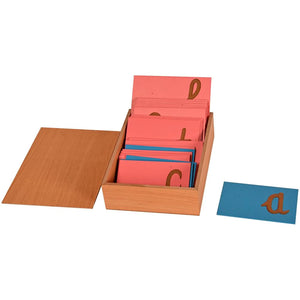
Key materials like Sandpaper Letters introduce phonics through touch and sound, connecting abstract symbols to concrete experiences. Picture cards for object identification, storytelling sequences, and even simple conversations during practical life activities (like pouring water or setting a table) build expressive and receptive language. Research shows that multi-sensory approaches like these significantly improve language acquisition.
Tailored Educational Toys for Down Syndrome Learning
Selecting the right educational toys for Down Syndrome is critical to supporting a child's learning journey. These are not merely playthings but tools designed to target specific developmental areas. SkilloToys.com offers a curated collection of Montessori-aligned materials perfect for this purpose, fostering independence and cognitive growth.
For fine motor skills and problem-solving, consider durable wooden puzzles that offer varying levels of complexity. Knobbed cylinders and shape sorters are excellent for early spatial reasoning and hand-eye coordination. These activities help strengthen the muscles needed for writing and other self-care tasks, preparing them for the demands of school and daily life.
Tactile and sensory toys, such as fabric swatches or sensory bins with rice and beans, help children process sensory input, which can be particularly beneficial for those with Down Syndrome. While digital exposure has its place, a systematic review published in Frontiers highlights the impact of touchscreen digital exposure on social development, reinforcing the importance of balancing with hands-on, interactive learning.
Practical Montessori Activities at Home for Indian Families
Integrating Montessori activities into the bustling Indian home, perhaps even with the help of grandparents, can create a powerful learning ecosystem. The emphasis is on a 'prepared environment' – an organized space where materials are accessible and inviting. This empowers children to choose their activities, fostering a sense of ownership and confidence.
Start with Practical Life activities: children can help with simple household chores like sweeping, pouring water from a jug, or folding small clothes. These tasks not only build fine motor skills and coordination but also instill a sense of contribution to the joint family, a core Indian value. Involve them in kitchen tasks, like shelling peas or mixing ingredients for a simple roti dough.
For cognitive engagement, use materials found at home. Sorting pulses by type or beads by colour, counting bangles, or creating patterns with rangoli powder can be incredibly engaging. For language, tell stories from Indian mythology or describe the vegetables at the local market, making learning relevant to their cultural context.
Remember that consistency and patience are key. Celebrate small victories, adapt activities to your child's interests, and ensure a nurturing atmosphere. The goal is not just academic progress but holistic development, including social-emotional well-being, much like the 'Nourish to Flourish' philosophy discussed in The Hindu regarding the nutrition and cognition link, advocating for a complete approach to a child's growth.
Explore our full range of Montessori learning materials at SkilloToys.com to find the perfect tools to support your child's unique developmental journey.
- Montessori provides a structured, multi-sensory framework specifically beneficial for children with Down Syndrome.
- Early intervention, ideally from birth, significantly improves cognitive and language outcomes for children with Down Syndrome.
- Hands-on educational toys and practical life activities enhance fine motor skills, problem-solving, and independence.
- Integrating Montessori into an Indian home involves adapting materials and activities to cultural contexts and daily routines.
- Language development is effectively supported through multi-sensory phonetic materials and consistent verbal engagement.
- A prepared environment and patient guidance are crucial for fostering a child's natural curiosity and learning pace.
What are the benefits of Montessori for children with Down Syndrome?
Montessori offers a structured, multi-sensory approach that addresses the unique learning profiles of children with Down Syndrome. It enhances concentration, fine motor skills, cognitive function, and promotes independence through hands-on activities tailored to individual pace.
How can I adapt Montessori materials for my child with Down Syndrome?
Adaptations include simplifying tasks, providing extra verbal cues, repeating activities frequently, and breaking down complex processes into smaller steps. Focus on tactile and visual aids, ensuring materials are easily graspable and visually appealing for sustained engagement.
What educational toys are best for language development in Down Syndrome?
Educational toys that encourage speech, such as matching cards, sound cylinders, story sequence cards, and object baskets for vocabulary building are highly effective. SkilloToys offers a range of materials like sandpaper letters that connect sound with form, aiding early literacy.
At what age should early intervention begin for Down Syndrome in India?
Early intervention should ideally begin as soon as Down Syndrome is diagnosed, often from birth. Initiating therapeutic and educational support in infancy maximizes developmental outcomes, laying a strong foundation for future learning and independence, as highlighted by Times of India.
How can I support my child's cognitive development at home?
Support cognitive development by creating a prepared environment with accessible, age-appropriate materials that encourage exploration and problem-solving. Activities like puzzles, sorting games, and practical life exercises like pouring and spooning enhance logical thinking and concentration.