Montessori Activities in Marathi for Child Development
Providing engaging activity in Marathi is crucial for fostering cognitive and language development in children aged 0-8. Research consistently shows that introducing educational experiences in a child's native tongue significantly boosts their early learning capabilities. This approach ensures children build a robust foundation for intellectual growth while staying deeply connected to their cultural heritage.
In India, where multilingualism is common, embracing regional languages like Marathi in early education is not just a cultural choice but a scientifically proven advantage. While the hustle of school pressure and the desire for global readiness often push English learning, experts emphasize that a strong native language base enhances overall cognitive flexibility. India Today recently highlighted why play-based learning deserves equal footing with nutrition in child development, reinforcing the Montessori philosophy that children learn best through hands-on exploration in a supportive environment.
What are Montessori Activities in Marathi?
Montessori activities in Marathi involve adapting the foundational principles of Maria Montessori to a regional linguistic context, providing children with self-directed, hands-on learning experiences in their mother tongue. This matters because it allows for deeper comprehension and a stronger emotional connection to educational concepts, which is vital for holistic development. Indian parents can implement this by integrating everyday Marathi language use with purposeful, prepared environment activities designed to foster independence and a love for learning.
These activities are not merely translations but thoughtful integrations that respect the unique phonetics, grammar, and cultural nuances of Marathi. For example, rather than simply labeling objects in Marathi, a Montessori approach involves sorting objects and articulating their properties and uses in Marathi, building a comprehensive understanding. This method ensures children develop strong cognitive pathways linked directly to their primary linguistic framework.
Why Marathi Activities Boost Cognitive Development?
Engaging in cognitive development activities Marathi significantly enhances a child's intellectual capabilities, creating a strong neural framework. Studies indicate that children who develop strong literacy in their native language demonstrate superior cognitive flexibility and problem-solving skills compared to those who primarily learn in a second language from the outset. This linguistic advantage helps children process complex information more efficiently and transfer learning across different subjects.
For Indian children, learning mathematics or science concepts in Marathi first can solidify their understanding before transitioning to English. This deep-rooted conceptual clarity reduces the cognitive load often associated with learning new subjects in an unfamiliar language. Furthermore, bilingualism itself has been linked to improved executive functions, including attention control and working memory, as noted by numerous research findings on child development.
Enhancing Language Development with Marathi Montessori Activities
Fostering language development Marathi through Montessori principles provides a structured yet natural pathway for children to master their native tongue. Maria Montessori emphasized the sensitive period for language acquisition, where children absorb language effortlessly from their environment. By immersing them in rich Marathi linguistic activities, we capitalize on this innate ability, building robust vocabulary and grammatical understanding.
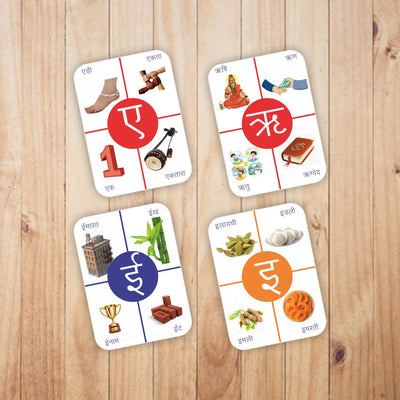
Activities such as 'शब्द चित्र जुळवा' (word-picture matching), using Marathi Sandpaper Letters to trace alphabets (अ, आ, इ), and creating stories with Marathi-labelled objects enrich a child's linguistic environment. Grandparents, with their treasure trove of Marathi folk tales and songs, play an instrumental role in this, providing authentic exposure and strengthening intergenerational bonds. This consistent exposure nurtures clear articulation, correct pronunciation, and confident communication in Marathi.
Practical Montessori Marathi Activities for Every Age Group
Integrating montessori marathi activities into daily routines caters to specific developmental stages, ensuring children receive appropriate stimulation. These activities are designed to be hands-on, self-correcting, and deeply engaging, fostering independence and a love for learning.
Infants (0-18 months): Sensory Exploration
For the youngest learners, focus on sensory engagement paired with Marathi sounds. Sing traditional Marathi lullabies like 'नीज माझ्या बाळा' and narrate daily activities in Marathi, such as "हे बघ, चमचा (spoon)" while feeding. Introduce soft, textured objects, naming them in Marathi to build early vocabulary. Simple verbal games like "कुठे आहे बाळू?" (Where is Baalu?) aid auditory development and object permanence.
Toddlers (18-36 months): Practical Life Skills
Toddlers thrive on practical life activities. Involve them in household chores, asking them to "पाणी दे" (give water) or "चप्पल ठेव" (keep slippers), thereby linking actions to Marathi verbs. Sorting colorful beads or blocks while naming the colors in Marathi (लाल, निळा, हिरवा) helps categorization skills. Introduce simple puzzles, asking "हे कशाचे चित्र आहे?" (What is this picture of?) to encourage problem-solving and Marathi vocabulary.
Preschoolers (3-6 years): Structured Learning
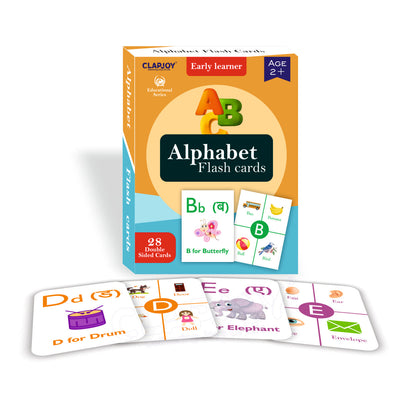
This age is ideal for more structured language activities. Use flashcards with Marathi letters (अक्षर ओळख) and words, playing matching games like 'शब्द जुळवा'. Storytelling sessions with simple Marathi books are invaluable, prompting discussions in Marathi about characters and plots. Counting games (एक, दोन, तीन) with physical objects enhance numerical literacy alongside Marathi language skills.
Early School Years (6-8 years): Advanced Concepts
Children in this age group are ready for complex linguistic and cognitive challenges. Encourage them to read simple Marathi storybooks independently and write short sentences or descriptions. Engage in science experiments, providing instructions and discussing observations in Marathi. Creating simple projects about Maharashtra's culture or festivals, using Marathi as the primary language, fosters both knowledge and linguistic proficiency.
Integrating Marathi Educational Games into Daily Life
Seamlessly blending marathi educational games and marathi learning activities for kids into daily routines makes learning enjoyable and natural. In Indian homes, especially within joint families, there are countless opportunities to do so. Playing traditional Marathi board games like 'सापशिडी' (Snakes and Ladders) or 'व्यापारी' (Business/Monopoly equivalent) naturally reinforces counting and social skills in Marathi.
During festivals like Diwali or Ganesh Chaturthi, involve children in preparations by naming items and explaining rituals in Marathi. Utilize everyday items for learning, such as sorting spices and vegetables by their Marathi names. SkilloToys offers a wide range of Montessori-inspired materials that can be easily adapted for Marathi language integration, transforming playtime into purposeful learning. These consistent, fun interactions prevent learning from feeling like a chore and foster a genuine love for Marathi.
Embracing Montessori activities in Marathi is a powerful way to provide children aged 0-8 with a rich, culturally resonant educational experience. By prioritizing their native language, we empower them with superior cognitive abilities, strong language skills, and a deep connection to their heritage. SkilloToys is committed to supporting Indian parents in this journey, offering resources that align with this intelligent, science-backed approach to child development.
- Providing activities in Marathi significantly boosts a child's cognitive and language development.
- Native language proficiency enhances overall cognitive flexibility and problem-solving skills.
- Montessori principles, when applied to Marathi, offer a structured and natural pathway for language mastery.
- Engaging in Marathi activities from birth strengthens a child's cultural identity and family bonds.
- Bilingualism, fostered through Marathi and English, is consistently linked to improved executive functions like attention control.
- Grandparents play a crucial role in delivering authentic Marathi language immersion through stories and daily interactions.
Why is learning in Marathi important for my child?
Learning in Marathi is crucial because it strengthens a child's native language foundation, enhancing their overall cognitive flexibility and problem-solving abilities. It also fosters a strong cultural identity and deeper connection with family and heritage, as experts agree native language proficiency supports comprehensive intellectual growth.
What age should I start Montessori Marathi activities?
You can begin Montessori Marathi activities from birth, focusing on sensory and language rich interactions. For instance, speaking Marathi consistently and introducing simple vocabulary in the first 18 months significantly supports early language acquisition and cognitive development.
Are there specific Montessori materials for Marathi language learning?
While core Montessori materials are universal, their application can be adapted for Marathi. For example, using Sandpaper Letters (अ, आ, इ), moveable alphabet (मराठी मुळाक्षरे), and language objects named in Marathi effectively teaches Marathi phonetics and vocabulary. SkilloToys offers a range of materials suitable for such adaptations.
How do I balance English and Marathi learning for my child?
Balancing English and Marathi learning involves creating distinct language environments or dedicating specific times for each language. Child development experts recommend consistent exposure in both languages, ensuring a rich linguistic foundation without confusion, as research shows bilingualism offers significant cognitive advantages.
Can grandparents help with these Marathi Montessori activities?
Absolutely, grandparents are invaluable assets in teaching Marathi Montessori activities, especially in joint family settings. Their traditional stories, songs, and daily interactions in Marathi provide authentic language immersion and strengthen cultural bonds, contributing significantly to a child's holistic development.