Montessori Early Learning: A Guide for Digital Age Parents
Montessori early childhood learning empowers Indian parents to proactively foster holistic development, even amidst digital influences, by emphasizing hands-on experiences, self-directed exploration, and a prepared environment that naturally integrates with traditional Indian family values. Research shows that children engaged in purposeful, active learning develop stronger cognitive and language skills, providing a balanced and robust educational foundation far beyond passive screen exposure, which is particularly crucial in a world where foundational literacy skills are changing rapidly.
Montessori early childhood learning is a child-centred educational approach developed by Dr. Maria Montessori, focusing on independence, hands-on learning, and a prepared environment. This matters because it cultivates natural curiosity and intrinsic motivation, crucial for deep understanding and adaptability. Indian parents can implement Montessori principles by providing engaging materials and fostering a respectful, supportive home learning space.
Montessori Principles for Early Years: The Foundation of Lifelong Learning
The core of Montessori principles for early years education lies in respecting the child as an individual, fostering their innate drive to learn, and providing freedom within limits. This framework, rooted in a 'prepared environment,' ensures that children from 0-8 years can choose activities that resonate with their developmental needs, leading to deep concentration and joyful discovery. Child development experts agree that such self-directed learning builds confidence and a strong sense of self-efficacy.
In the Indian context, these principles integrate beautifully with our rich cultural fabric. Whether it's the quiet observation of a grandparent performing daily puja or a child helping with simple household chores in a joint family, the Montessori emphasis on practical life skills and observation aligns naturally. This home environment becomes a powerful learning laboratory, complementing formal education by reinforcing the value of independent work and contribution to the family unit.
Strengthening Early Learning Through Intentional Engagement, Not Just Screens
The rise of digital platforms, while offering accessibility, also presents new challenges, as evidenced by reports highlighting that a significant number of young children now attempt to 'swipe' physical books instead of turning pages. This shift underscores the critical need for strengthening early learning through tactile, multi-sensory experiences. Montessori education actively counters this trend by prioritising direct engagement with physical materials.
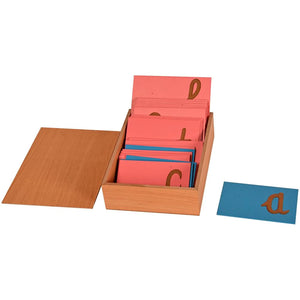
Materials like the Pink Tower for visual discrimination or Sandpaper Letters for pre-writing skills engage multiple senses, building concrete neural pathways for abstract concepts. This intentional, hands-on manipulation is vital for brain development, helping children like those in Punjab's 'Mission Aarambh' initiatives, to truly grasp concepts rather than passively observing them. SkilloToys offers a wide range of Montessori Method learning materials designed to facilitate this crucial engagement.
Nurturing Cognitive Growth with Educational Toys for Early Learning
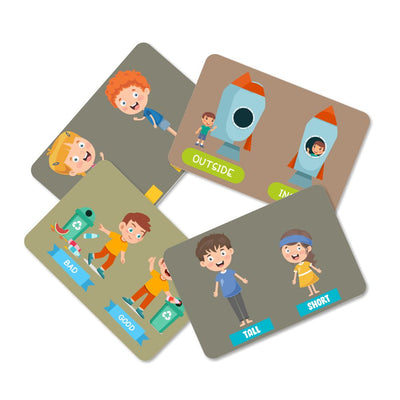
Montessori-designed educational toys for early learning are not mere playthings; they are purposeful 'works' crafted to develop specific cognitive, motor, and sensorial skills. For example, Knobbed Cylinders teach dimensional discrimination, while Geometric Solids introduce abstract mathematical concepts through touch. These materials empower children to learn by doing, allowing them to self-correct and refine their understanding.
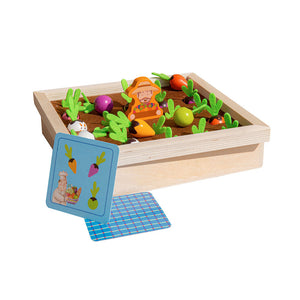
Integrating such materials into an Indian home encourages children to develop focus and problem-solving abilities. Whether it's meticulously completing a puzzle, which SkilloToys offers in various forms here, or arranging block sets to mimic a village scene, these activities foster spatial reasoning and fine motor coordination. Such purposeful engagement, rather than undirected digital scrolling, lays a robust foundation for future academic and life success.
Balancing Digital Learning for Kids: A Montessori Approach in India
With government initiatives like 'Mission Aarambh Punjab' leveraging digital platforms for early childhood education India, parents often wonder how to balance screens with Montessori principles. The Montessori approach does not entirely dismiss digital tools but advocates for their mindful, purposeful, and limited integration. Digital learning for kids Montessori-style means selecting interactive apps that encourage active participation, problem-solving, and creativity, rather than passive consumption.
Experts suggest that screen time for children under 6 should be minimal and always co-viewed with a parent, ensuring content relevance and promoting discussion. Rather than replacing the sensorial richness of physical Montessori materials, digital tools can serve as supplementary resources, offering visual or auditory enhancements to concepts already explored hands-on. The key is to curate a digital experience that respects the child's developmental stage and prioritises real-world exploration and social interaction.
Ultimately, strengthening early childhood learning in a digitally influenced world means embracing the enduring wisdom of Montessori while thoughtfully navigating modern advancements. By prioritising hands-on engagement, fostering independence, and creating a prepared environment, Indian parents can empower their children to develop into confident, capable, and well-rounded individuals ready for any challenge.
- Montessori early childhood learning focuses on hands-on, self-directed exploration for holistic development.
- Active, sensorial engagement is crucial for cognitive and language development, countering passive digital consumption.
- A prepared home environment fosters independence and concentration, vital for strong early learning.
- Montessori materials are designed to build specific cognitive skills, far beyond mere entertainment.
- Digital tools can complement Montessori education when used purposefully, interactively, and in moderation.
- Indian parents can integrate Montessori principles to provide a balanced and culturally relevant learning journey.
How does Montessori help language development in young children?
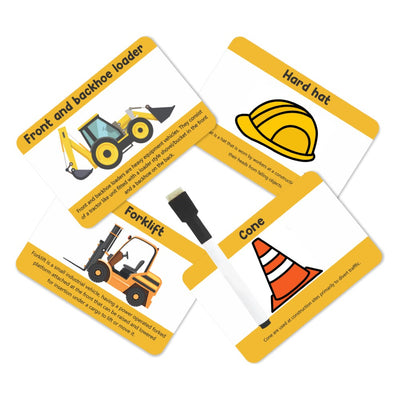
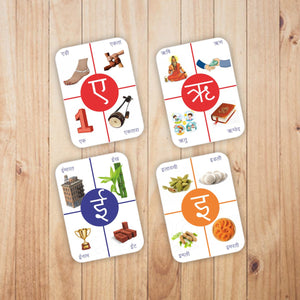
Montessori fosters language development through a rich environment that emphasizes sensory experiences, classified nomenclature cards, and materials like Sandpaper Letters for phonetic awareness. Children are encouraged to express themselves freely and absorb language naturally from their surroundings and interactions, building a strong vocabulary and foundational literacy skills.
What is the role of parents in a Montessori-inspired home in India?
In a Montessori home, Indian parents act as observers and guides, preparing a stimulating environment that respects the child's innate drive for independence and learning. They provide age-appropriate activities and materials, stepping back to allow the child to explore and discover at their own pace, fostering self-reliance and concentration.
Can digital tools be beneficial in a Montessori approach for early childhood education?
Yes, digital tools can complement Montessori early childhood education when used purposefully, interactively, and in moderation. They should enhance, not replace, hands-on experiences, offering opportunities for critical thinking and creative expression rather than passive consumption, aligning with the child's developmental stage and specific learning goals.
What are some essential Montessori materials for toddlers (18-36 months) to strengthen early learning?
For toddlers, essential Montessori materials include practical life tools like pouring and spooning sets to develop fine motor skills, Knobbed Cylinders for sensorial discrimination, and simple puzzles for problem-solving. These materials offer concrete, hands-on experiences crucial for cognitive development and independence during these formative years.
How can Indian parents begin implementing Montessori principles at home?
Indian parents can begin by observing their child's interests, decluttering the home to create an accessible 'prepared environment,' and introducing practical life activities that allow the child to participate in daily routines. Providing quality educational toys for early learning and respecting the child's choices within reasonable limits are key initial steps.