Montessori for Children with Down Syndrome: Development Guide
Montessori methods offer a highly effective, individualized framework for Montessori for children with Down Syndrome (0-8) by providing structured, hands-on activities and educational toys that cater to their unique learning pace. This approach significantly fosters cognitive abilities like concentration and problem-solving, alongside crucial language development through multi-sensory engagement, as highlighted by recent discussions in the Times of India about supporting children with special needs. It provides a nurturing pathway for comprehensive development.
The Montessori approach for children with Down Syndrome is a specialized educational method that adapts Dr. Maria Montessori's principles to meet the specific developmental needs of these children. It emphasizes self-directed activity, hands-on learning, and collaborative play, promoting independence and holistic growth. This matters because it provides a supportive environment where children can learn at their own pace, building confidence and essential life skills. Indian parents can integrate these principles through adapted home environments and carefully selected educational toys from SkilloToys.com.
Understanding Cognitive Development in Children with Down Syndrome
Research shows that children with Down Syndrome benefit immensely from early, targeted interventions that stimulate cognitive functions. Cognitive development encompasses attention, memory, problem-solving, and executive functions. Montessori activities are designed to break down complex tasks into manageable steps, building foundational skills progressively. This method empowers children to engage with materials independently, fostering a sense of achievement and reinforcing learning through repetition. For Bengaluru parents, understanding these foundational aspects is key to supporting their child’s intellectual journey.
Early Intervention Down Syndrome: Why It Matters
Child development experts agree that early intervention is paramount for children with Down Syndrome. Starting interventions as early as infancy significantly impacts long-term cognitive and adaptive outcomes. Studies indicate that children who receive consistent early intervention can show substantial improvements in developmental milestones, sometimes by 20-30% more than those without. This proactive approach helps bridge developmental gaps and sets a strong foundation for future learning, echoing the "Nourish to flourish" concept from The Hindu, extending beyond nutrition to intellectual stimulation.
Boosting Language Development in Children with Down Syndrome
Language development in children with Down Syndrome often follows a unique trajectory, with receptive language typically developing ahead of expressive language. Montessori offers a multi-sensory approach to bridge this gap, utilizing tools like Sandpaper Letters for phonetic awareness and movable alphabets for word building. These tactile experiences strengthen neural pathways, making abstract language concepts concrete and accessible. Moreover, the emphasis on practical life activities provides natural contexts for communication, such as naming objects or requesting help, fostering functional language use in everyday Indian home settings.
Effective Montessori Activities for Down Syndrome Kids (0-8)
Montessori activities are tailored to support varied developmental stages, making them ideal for children with Down Syndrome from infancy through early school years. For infants (0-18 months), activities like grasping rings, soft balls, and mobiles encourage visual tracking and fine motor skills. Toddlers (18-36 months) thrive with knobbed puzzles, sorting activities, and simple practical life tasks like pouring or sweeping, building concentration and coordination. Preschoolers (3-6 years) engage with materials such as the Pink Tower, broad stairs, and geometric solids, which refine discrimination and abstract thinking.
For children aged 6-8, activities involving the Movable Alphabet, grammar boxes, and sequencing cards further enhance literacy and logical reasoning. These materials, available as Montessori learning materials, are meticulously designed to be self-correcting, allowing children to learn from their mistakes independently. The hands-on nature directly counters the potential negative impacts of excessive touchscreen digital exposure, as highlighted in a Frontiers review, by promoting direct interaction with the physical world. Encouraging a grandparent to participate in these activities also adds a valuable layer of intergenerational bonding and support within Indian joint families.
Selecting Educational Toys for Down Syndrome: A Montessori Perspective
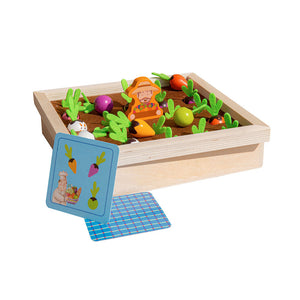
Choosing appropriate educational toys for Down Syndrome children is crucial, focusing on materials that are durable, beautiful, and purposeful. SkilloToys.com provides a curated selection that aligns with Montessori principles. Look for toys that isolate a single skill, like a puzzle focusing purely on shape recognition or a lacing bead set for fine motor development. Open-ended materials encourage creativity and problem-solving, which are vital for cognitive growth.
For example, wooden puzzles specifically designed for different age groups can significantly enhance hand-eye coordination and spatial reasoning. Simple puzzles are perfect for developing fine motor skills and problem-solving in younger children, gradually increasing in complexity. Prioritize toys that allow for repetition and mastery, giving children the joy of accomplishment and building their self-esteem.
- Montessori provides a structured, individualized approach for children with Down Syndrome, enhancing cognitive and language skills.
- Early intervention is critical, with research showing significant developmental improvements in children with Down Syndrome.
- Multi-sensory Montessori materials like Sandpaper Letters effectively bridge language development gaps for children.
- Hands-on activities from 0-8 years support cognitive functions, concentration, and problem-solving.
- Educational toys should be purposeful, durable, and isolate single skills for effective learning outcomes.
- Integrating Montessori principles within Indian family contexts, including grandparent involvement, fosters holistic development.
How early should I start Montessori activities for my child with Down Syndrome?
Starting Montessori activities as early as infancy is highly recommended for children with Down Syndrome. Research indicates that early intervention yields the most significant benefits, setting a strong foundation for cognitive, language, and motor skill development. Even simple sensory exploration can begin from birth.
Are Montessori materials different for children with Down Syndrome?
The core Montessori materials are generally suitable, but the approach involves adapting their presentation and pacing to match the individual child's needs with Down Syndrome. This might include longer engagement times, increased repetition, or breaking down tasks into smaller steps. The emphasis remains on self-correction and hands-on learning.
How can I adapt Montessori principles at home for my child with Down Syndrome?
Adapt Montessori at home by creating a prepared environment with child-sized furniture and accessible, organized materials. Focus on practical life skills, like dressing or pouring, and provide multi-sensory tools for language and cognitive development. Encourage independence and allow ample time for exploration.
What role do educational toys play in language development for children with Down Syndrome?
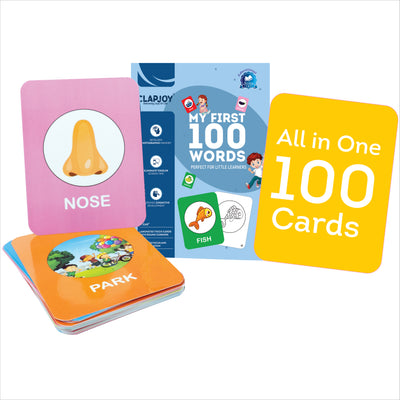
Educational toys are crucial for language development in children with Down Syndrome by providing concrete experiences that link objects to words. Tactile materials like nomenclature cards, puzzles, and sensory bins stimulate vocabulary acquisition and encourage communication. They offer repetitive opportunities for naming and describing, reinforcing linguistic connections.
How does Montessori support social skills for children with Down Syndrome?
Montessori environments naturally foster social skills through collaborative work, respect for others, and grace and courtesy lessons. Children learn to share, take turns, and interact respectfully with peers and adults. This structured social interaction helps children with Down Syndrome develop essential communication and cooperation abilities.