Montessori for Down Syndrome: Cognitive & Language Growth
Supporting Montessori for Down Syndrome cognitive language development is profoundly enhanced by the Montessori approach, offering a structured yet adaptable environment. Research shows that this child-centric methodology, championed by SkilloToys, effectively addresses the unique learning profiles of these children, fostering crucial skills for their overall growth. As highlighted by The Times of India, comprehensive developmental support is vital, and Montessori provides a robust framework that resonates with the Indian ethos of nurturing every child's potential.
This approach moves beyond traditional remediation, focusing instead on empowering the child to develop at their own pace. By understanding the specific challenges and strengths associated with Down Syndrome, parents can leverage Montessori principles to unlock their child's inherent capabilities. SkilloToys is dedicated to providing the resources and guidance necessary for every Indian family to embark on this enriching journey.
What is Down Syndrome Early Intervention with Montessori?
Down Syndrome early intervention with Montessori refers to applying Dr. Maria Montessori's educational philosophy and materials from an early age to support children with Down Syndrome. This matters because a tailored, multi-sensory environment can significantly mitigate developmental delays and build foundational skills. Indian parents can integrate these principles at home, creating an enriching space for their child's independent learning and development.
The Montessori Advantage for Cognitive Growth in Down Syndrome
The Montessori method offers significant advantages for fostering cognitive skills in Down Syndrome children by creating an environment rich in sensory experiences and opportunities for self-directed learning. Children with Down Syndrome often benefit from concrete, hands-on learning experiences, which are central to the Montessori philosophy. This direct interaction helps build strong neural pathways for understanding complex concepts.
Research consistently shows that early intervention programs significantly improve outcomes for children with Down Syndrome across cognitive and adaptive domains. Montessori's prepared environment encourages concentration, problem-solving, and logical thinking through engaging activities. For instance, carefully designed Montessori puzzles develop spatial awareness, fine motor skills, and an understanding of part-to-whole relationships, directly impacting cognitive function.
The self-correcting nature of Montessori materials means children receive immediate feedback, fostering independence and persistence. This reduces the need for constant adult intervention, empowering the child to learn through discovery. Such an approach not only builds specific cognitive skills but also cultivates a love for learning, which is crucial for long-term development.
Nurturing Language Skills with Montessori for Down Syndrome
Language therapy for Down Syndrome children is effectively integrated within the Montessori framework, providing a multi-sensory and systematic approach to communication development. Children with Down Syndrome often experience delays in speech and language acquisition, but their visual learning strengths can be profoundly leveraged by Montessori materials. Dr. Maria Montessori's insights into sensitive periods for language acquisition are particularly relevant here.
Montessori materials, such as sandpaper letters, phonetic objects, and command cards, provide tactile and visual input that reinforces auditory learning. This multi-sensory approach helps children connect sounds with symbols and meanings more effectively. Practical life activities, like setting a table or pouring water, naturally incorporate vocabulary and sequencing, encouraging verbalisation and communication in meaningful contexts.
Studies indicate that children engaged in structured, hands-on learning environments demonstrate improved attention spans and problem-solving abilities, which are prerequisites for language development. In the Indian context, where multiple languages might be spoken at home, Montessori's systematic introduction of language elements can be adapted to support bilingual or multilingual development, enriching a child's linguistic environment.
Practical Montessori Materials and Their Impact
A wide array of educational toys for Down Syndrome children within the Montessori collection directly support both cognitive and language development. Sensorial materials, like the Pink Tower or Brown Stair, refine discrimination of size and dimension, building foundational cognitive skills. These activities indirectly prepare the child for mathematical and logical reasoning.
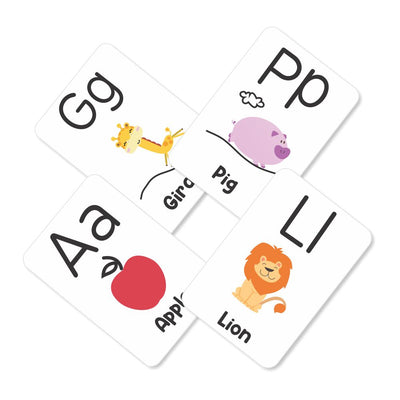
For language development, materials such as the Sandpaper Letters provide a tactile experience for learning letter shapes and phonetic sounds, a crucial step towards reading and writing. Movable Alphabets allow children to construct words, promoting early literacy and expression. These high-quality Montessori learning materials are designed to be engaging and progressive, ensuring that children are constantly challenged at their optimal level.
Furthermore, practical life activities — from buttoning frames to preparing simple snacks — enhance fine motor skills necessary for clear articulation and build concentration. These activities also provide numerous opportunities for vocabulary expansion and following multi-step instructions, essential components of comprehensive language therapy.
Creating a Supportive Montessori Environment at Home in India
Establishing a Montessori special needs education environment at home in India involves more than just purchasing materials; it requires a shift in perspective towards child-led learning and independence. Many Indian families, often in joint family setups, can collaboratively create a supportive space where the child feels respected and capable. Grandparents can play a crucial role, sharing traditional stories or involving children in daily chores, naturally extending Montessori principles.
As India Today highlights the importance of play-based learning deserving equal footing with nutrition in child development, Montessori aligns perfectly by emphasizing purposeful, hands-on activities over passive entertainment. This stands in stark contrast to the potential negative impact of excessive touchscreen digital exposure on children’s social development and communication, as noted by Frontiers research. A prepared environment at home encourages exploration and interaction with real-world objects, fostering genuine cognitive and social growth.
Ensure a designated learning area is organised, accessible, and clutter-free, allowing the child to choose their activities. Observe your child keenly to understand their interests and challenges, adapting the environment and materials accordingly. This collaborative, respectful approach not only supports cognitive and language development but also integrates the child seamlessly into family life, nurturing their confidence and sense of belonging.
- Montessori offers a structured, multi-sensory approach uniquely beneficial for cognitive and language development in children with Down Syndrome.
- Early intervention with Montessori principles significantly enhances neuroplasticity and builds foundational skills from infancy.
- Montessori materials are designed to be self-correcting and hands-on, promoting independence and problem-solving abilities in children with diverse learning needs.
- Practical life activities and specific language materials provide crucial support for addressing speech delays and expanding vocabulary.
- Creating a 'prepared environment' at home, often with the involvement of the entire Indian family, is vital for consistent application of Montessori principles.
- The Montessori method supports play-based learning and direct engagement, offering a beneficial alternative to screen-time for holistic child development.
What age is best to start Montessori for a child with Down Syndrome?
Starting Montessori early, ideally during infancy or toddlerhood (0-3 years), is highly beneficial for children with Down Syndrome. Early intervention maximises their neuroplasticity, helping to build strong foundational cognitive and language skills. The adaptable nature of Montessori materials allows for customisation to suit individual developmental paces.
Can Montessori help with speech delays in children with Down Syndrome?
Yes, Montessori can significantly aid in addressing speech delays by creating a rich language environment. Through materials like sandpaper letters, phonetic objects, and practical life activities, children are encouraged to communicate, develop fine motor skills essential for articulation, and expand their vocabulary naturally. This approach complements formal speech therapy by providing consistent, multi-sensory language exposure.
Are Montessori materials suitable for children with diverse learning needs?
Absolutely. Dr. Maria Montessori originally developed her methods for children with diverse learning needs, and the materials are inherently designed to be self-correcting, hands-on, and adaptable. This makes them exceptionally suitable for children with Down Syndrome, allowing them to learn at their own pace and through preferred sensory channels, fostering independence and confidence.
How can I implement Montessori principles at home in an Indian joint family setting?
Implementing Montessori at home involves creating a 'prepared environment' that is child-accessible and encourages independence. In an Indian joint family, this can mean designating a specific, clutter-free learning corner, involving grandparents in practical life activities like preparing snacks or tidying up, and using culturally relevant language during lessons. Collaborative family effort strengthens the child's learning journey.
What specific cognitive skills does Montessori develop in children with Down Syndrome?
Montessori effectively develops a range of cognitive skills including attention span, memory, problem-solving, logical thinking, and fine motor coordination. Through repeated engagement with sensorial materials, puzzles, and practical life tasks, children learn to concentrate, follow sequences, make choices, and develop a deeper understanding of abstract concepts, which are critical for overall cognitive advancement.