Montessori Malayalam Materials for Early Language (0-8)
Montessori Malayalam materials provide a sensory-rich, child-led approach to mastering Malayalam letters and fostering early language skills from birth to eight years. These specially designed tools, such as Sandpaper Letters and movable alphabets, empower children in Indian homes to intuitively grasp phonetics, vocabulary, and script, building a strong foundation for lifelong learning.
Understanding how to introduce and solidify a child's grasp of their native language is paramount for Indian parents, especially in a culturally rich state like Kerala or for Malayali families living across India and abroad. The Montessori method offers a proven framework for this vital early development.
What are Montessori Malayalam Materials?
Montessori Malayalam materials are specially crafted educational tools designed to facilitate the acquisition of the Malayalam alphabet, phonetics, and early language skills through tactile and hands-on exploration. This approach enables children to learn Malayalam letters by engaging multiple senses, fostering independent learning and a deep understanding of the language structure.
Why Early Malayalam Language Development Matters (0-8)
Nurturing strong early language skills, particularly in one's mother tongue like Malayalam, is foundational for a child's cognitive and cultural development. Research consistently shows that a robust understanding of the native language strengthens a child's overall linguistic abilities, making it easier to learn other languages later.
For children aged 0-8 in India, mastering Malayalam connects them deeply to their heritage, traditions, and the stories shared by grandparents during festivals like Onam or Vishu. This connection is not merely sentimental; studies indicate that strong mother-tongue proficiency correlates with higher academic achievement and stronger emotional intelligence. In a country like India, where multilingualism is common, ensuring a solid base in Malayalam prepares children for future academic pressures and equips them with a powerful communication tool within their family and community. The recent success of initiatives like Punjab's Mission Aarambh, connecting over 1.6 lakh parents to strengthen early childhood learning, underscores the collective recognition of early language development's crucial role.
Foundational Montessori Malayalam Materials for Early Learners
Maria Montessori's profound insights into child development led to the creation of materials that address specific developmental needs, and these principles are perfectly adapted for teaching regional languages. For children eager to learn Malayalam letters, the journey often begins with sensory exploration.
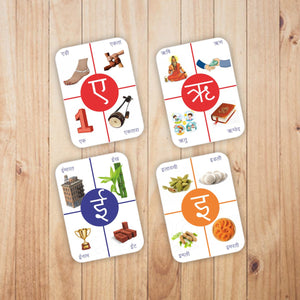
The Sandpaper Letters, adapted for the Malayalam script, are perhaps the most iconic Montessori Malayalam materials. These tactile letters allow children from around 2.5 years to trace the 'എ', 'ക', 'മ' with their fingers, associating the feel of the letter with its sound. This multi-sensory engagement builds strong neural pathways, solidifying recognition and recall. Following this, the Movable Alphabet (Malayalam version) empowers children to construct words and sentences independently, moving from concrete letter recognition to abstract word formation. These Malayalam alphabet toys are not just for fun; they are precise tools designed for sequential learning.
Engaging Activities for Mastering Malayalam Letters
Beyond the individual materials, the Montessori approach emphasizes purposeful activities that build upon each other, leading to comprehensive language mastery. For parents looking for effective Montessori language activities Malayalam, combining materials with real-world context is key.
Once a child is familiar with the Sandpaper Letters, they can transition to building words with the Movable Alphabet. Start with simple CVC (consonant-vowel-consonant) words in Malayalam, then progress to more complex structures. Encouraging children to create their own stories using these words fosters creativity and comprehension. Matching activities, where children pair Malayalam letter cards with objects or pictures, also reinforce vocabulary. Furthermore, incorporating puzzles, such as those found on SkilloToys.com/collections/puzzles, that feature Malayalam letters or words can make learning both engaging and interactive, developing fine motor skills alongside linguistic ones. Child development experts agree that a playful, low-pressure environment significantly boosts early literacy.
Fostering Malayalam Language Development in Indian Homes
Creating a rich language environment at home is the most significant factor in a child's Malayalam language development 0-8. This involves more than just materials; it's about consistent exposure and enthusiastic engagement from family members.
In many Indian joint families, children are naturally exposed to a symphony of languages. Encouraging grandparents to converse, read stories, and sing Malayalam songs with children reinforces learning in an authentic, loving context. Research indicates that consistent parental and family involvement, similar to the community efforts highlighted by Punjab's Mission Aarambh, directly translates into better language outcomes. Parents can also leverage digital platforms for storytelling or interactive Malayalam content, as suggested by studies on the effectiveness of teletherapy for developmental language disorder, to supplement hands-on learning, especially for those seeking resources beyond Bengaluru. Making Malayalam a vibrant part of daily life, from naming objects around the house in Malayalam to discussing daily events, reinforces its importance and makes learning effortless and joyful.
Key Takeaways
- Montessori Malayalam materials offer a multi-sensory, hands-on approach to mastering Malayalam letters and early language skills for children aged 0-8.
- Early exposure to Malayalam, facilitated by these materials, strengthens cognitive development and cultural connection for Indian children.
- Sandpaper Letters and the Movable Alphabet (Malayalam) are foundational tools for tactile and phonetic learning of the Malayalam script.
- Engaging activities like tracing, word-building, and matching with Montessori materials significantly enhance Malayalam language acquisition.
- Consistent parental and family involvement in creating a rich Malayalam language environment at home is crucial for sustained language development.
- Integrating Malayalam learning into daily life, including stories, songs, and conversations, makes the process joyful and effective.
At what age should I introduce Malayalam letters to my child?
Children can be introduced to Malayalam sounds and concepts from birth, with formal letter recognition, using Montessori materials like Sandpaper Letters, typically starting around 2.5 to 3 years of age. This gentle, sensory-based approach ensures readiness and interest.
How do Montessori materials differ from traditional methods for learning Malayalam?
Montessori materials are self-correcting, hands-on, and sensory-rich, allowing children to learn Malayalam letters and phonetics at their own pace through exploration. Unlike rote memorization, this method builds a deeper understanding and love for the language.
Can Montessori Malayalam materials help with bilingual development?
Yes, Montessori Malayalam materials are highly effective for bilingual development by providing a structured and engaging way to introduce a second language alongside the primary one. Research indicates that early exposure to multiple languages enhances cognitive flexibility and problem-solving skills.
Are these materials suitable for children learning Malayalam in a joint family setting?
Absolutely. Montessori Malayalam materials encourage independent exploration but also facilitate collaborative learning, making them ideal for joint family settings where grandparents and older siblings can engage with the child. This creates a rich, supportive language environment.
What is the most effective way to use Montessori Sandpaper Letters for Malayalam?
The most effective way is the 'Three-Period Lesson': association (This is 'അ'), recognition (Show me 'അ'), and recall (What is this?). Children trace the Malayalam letter with their finger, feeling its shape and simultaneously hearing its sound, engaging multiple senses.