Montessori Memory Overload Children: Nurturing Cognitive Health
Memory overload in children occurs when their developing brains are exposed to excessive stimulation or information, leading to cognitive fatigue and difficulty processing new experiences. For Montessori memory overload children, this often manifests as irritability, withdrawal, or disinterest in learning, a growing concern for Indian parents highlighted by recent news.
Understanding and addressing this issue is crucial for nurturing healthy cognitive development from infancy through early childhood. Montessori principles offer a powerful, evidence-backed framework to protect young minds from the pressures of modern life, fostering calm and focus amidst the bustle of everyday family life in Bengaluru and beyond.
Memory overload in children is a state where the brain receives more information than it can effectively process, leading to cognitive strain. This matters because it hinders effective learning and emotional regulation, crucial for healthy development. Indian parents can identify and address these signs by observing their child's engagement and behavior.
Understanding Memory Overload Symptoms in Kids
Recognising memory overload symptoms kids exhibit is the first step towards intervention. Research consistently shows that young children, especially those aged 0-8, have limited capacity for processing concurrent information. Symptoms can vary widely, from heightened fussiness during a family gathering or a festival, to a sudden reluctance to engage with their favourite toys.
Typical indicators include unusual tantrums, difficulty focusing on a single task, or appearing 'zoned out' even when spoken to. Parents might notice a regression in previously mastered skills, changes in sleep patterns, or increased clinginess, especially after a particularly busy day at school or during a lively visit from relatives.
In a bustling Indian household, where children are often surrounded by multiple generations and constant activity, these subtle signs can sometimes be misconstrued. However, understanding them as cries for cognitive relief is essential for maintaining a child's mental well-being and ensuring effective learning continues.
Preventing Memory Overload: A Montessori Approach
The Montessori philosophy offers practical, respectful ways on how to prevent memory overload in children by creating an environment that respects their developmental pace and innate curiosity. It focuses on deliberate choices that support concentration rather than fragmentation of attention.
This proactive approach helps children build resilience against cognitive fatigue. It emphasizes order, purpose, and the child's own rhythm of learning, which is particularly beneficial in preventing the kind of sensory bombardment common in many modern settings.
Creating a Prepared Environment
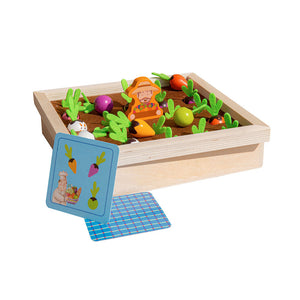
Maria Montessori advocated for a 'prepared environment' – an organised, aesthetically pleasing space tailored to the child's developmental needs. This means fewer, carefully selected toys (such as high-quality Montessori puzzles from SkilloToys) that are accessible and arranged in an orderly manner. A calm, uncluttered space at home, perhaps a dedicated corner, helps children focus on one activity at a time without distraction.
Such an environment reduces extraneous stimuli, allowing the child's mind to concentrate without unnecessary effort. In an Indian home, this might mean a designated play area that is distinct from high-traffic zones, even if it's a small mat in the living room, offering a sense of predictability and control for the child.
Mindful Scheduling & Unstructured Play
Over-scheduling can be a significant contributor to memory overload. Child development experts agree that young children thrive with ample unstructured play time, allowing their brains to consolidate learning and process experiences at their own pace. This is especially pertinent in India, where academic pressures sometimes begin very early.
Allowing children to choose their activities and pursue them without constant interruption supports their inner drive and helps them regulate their own stimulation levels. A balanced routine that incorporates quiet periods, outdoor play, and focused engagement with materials (like those from SkilloToys' Montessori Method Learning Materials collection) is paramount.
Nurturing Cognitive Health Children Montessori
At the heart of nurturing cognitive health children Montessori principles provide is the belief in the child's inherent capacity for self-directed learning. By providing activities that are just challenging enough, children develop focus, problem-solving skills, and a robust memory system organically.
This approach moves away from rote learning, which can contribute to overload, towards meaningful, hands-on experiences. Studies indicate that children engaged in self-chosen, purposeful activities demonstrate superior attention spans and memory retention compared to those in highly structured, adult-led settings.
Focused Engagement with Montessori Activities for Memory Development
Montessori activities are designed to isolate concepts and engage multiple senses, making them highly effective Montessori activities for memory development. Practical Life activities, like pouring water or buttoning clothes, build concentration and sequential memory.
Sensorial materials, such as the Pink Tower or Brown Stair, refine discriminatory skills and introduce complex concepts in a tangible way, embedding learning deeply. Language materials, like Sandpaper Letters, link sounds to symbols, strengthening auditory and visual memory pathways through repetition and multi-sensory engagement.
Observing the Overstimulated Child Montessori
A core tenet of Montessori education is keen observation of the child. When dealing with an overstimulated child Montessori practitioners advise pausing and watching for cues. This means noticing when a child is losing interest, becoming restless, or exhibiting frustration with an activity.
Instead of pushing them, a respectful Montessori response is to offer a simpler activity, provide a quiet space for rest, or gently guide them towards self-regulation. This empathetic approach allows the child to reset and return to learning when they are genuinely ready, preventing further cognitive strain.
SkilloToys Montessori Solutions for Balanced Development
At SkilloToys.com, Bengaluru, we understand the unique challenges Indian parents face in balancing traditional values with modern developmental insights. Our curated range of Montessori educational toys is specifically designed to support focused learning and prevent memory overload in children aged 0-8.
From puzzles that develop problem-solving skills to practical life materials that build independence and concentration, each item is chosen to facilitate deep, meaningful engagement. We empower parents to create nurturing home environments where children can thrive cognitively and emotionally, free from the pressures of overstimulation.
By choosing SkilloToys, you are investing in tools that help your child develop strong foundational skills, foster intrinsic motivation, and build a resilient cognitive health framework. This prepares them not just for school, but for a lifetime of joyful, balanced learning.
- Memory overload in children is caused by excessive stimulation, impacting learning and emotional regulation.
- Montessori principles offer a structured, child-led approach to prevent cognitive overload through a prepared environment.
- Key symptoms of memory overload include irritability, difficulty concentrating, and changes in sleep patterns.
- Focused, self-directed engagement with Montessori materials enhances memory development and attention span.
- Observing a child's cues and providing ample unstructured play are vital for preventing overstimulation.
- SkilloToys provides educational tools that support balanced cognitive development and concentration for children 0-8.
What causes memory overload in young children?
Memory overload in young children is typically caused by excessive or unstructured stimulation, such as too much screen time, a chaotic environment, or a packed schedule of activities. Their developing brains struggle to process and consolidate too much information simultaneously.
How does screen time contribute to memory overload?
Screen time often delivers rapid, disconnected information and constant visual-auditory stimuli, which can overwhelm a child's developing cognitive systems. This prevents deep processing and memory consolidation, leading to superficial engagement rather than meaningful learning.
What are key signs of an overstimulated child?
Key signs of an overstimulated child include increased irritability, difficulty concentrating, withdrawal from usual activities, changes in sleep patterns, and heightened emotional outbursts. They may also show physical restlessness or become unusually quiet and disengaged.
How can Montessori principles help with memory development?
Montessori principles support memory development by offering a prepared environment with purposeful, self-directed activities that allow for deep, focused concentration. This structured approach, combined with sensory exploration and repetition, helps children build strong cognitive connections without feeling overwhelmed.
Is it possible to completely prevent memory overload in children?
While completely preventing all instances of memory overload might be challenging in a dynamic world, parents can significantly mitigate its frequency and intensity. Implementing Montessori principles, managing screen time, and fostering a calm, predictable environment are highly effective preventive strategies.