Montessori Play-Based Learning: Home Guide for Kids (0-8)
To implement Montessori play-based learning at home guide for children aged 0-8, parents in India should focus on creating prepared environments, offering purposeful activities, and observing their child's natural interests. This comprehensive guide demonstrates how integrating hands-on experiences fosters robust cognitive and language development, aligning with expert recommendations for holistic child growth.
The emphasis on play-based learning, as highlighted by India Today's recent article 'Why play-based learning deserves equal footing with nutrition in child development,' underscores its foundational role in a child's overall well-being. This guide provides actionable steps for Indian parents to seamlessly weave Montessori principles into their daily routines, nurturing intellectual curiosity and strong communication skills.
What is Montessori Play-Based Learning?
Montessori play-based learning integrates self-directed, hands-on activities within a carefully prepared environment, allowing children to explore concepts at their own pace. This approach matters because it cultivates intrinsic motivation, problem-solving skills, and deep understanding, rather than rote memorization. Indian parents can implement this by selecting age-appropriate materials and fostering independence in daily routines.
The Importance of Play-Based Learning for Children in India
Research consistently shows that play is not merely recreation but a critical mechanism for cognitive, social, and emotional development. In the Indian context, where academic pressure often starts early, embracing play-based learning provides a crucial counterbalance, allowing children to learn naturally and joyfully. Child development experts agree that rich play experiences build foundational neural pathways essential for future learning.
This philosophy acknowledges that children learn best through active engagement and exploration, rather than passive reception of information. For instance, studies indicate that unstructured play significantly enhances executive functions like planning, working memory, and self-regulation – skills vital for academic success and life beyond. Incorporating this approach aligns with a holistic view of childhood development, respecting the child's innate drive to learn.
Crafting a Montessori Home Learning Setup (0-8)
Creating a dedicated space for learning, even a small one, is fundamental to the Montessori philosophy. This doesn't require an entire room; a corner in a living room or a low shelf in a child's bedroom can suffice. The goal is to make learning accessible, inviting, and orderly, empowering the child to choose activities independently.
Creating a Prepared Environment
A prepared environment is central to successful Montessori implementation at home. This means ensuring that materials are organized, clean, and within the child's reach, reflecting the principles of order and accessibility that Maria Montessori championed. Parents in Indian homes, often shared spaces with joint families, can utilize small, dedicated shelves or activity mats that define a 'work area.'
Consider your child's perspective: everything should be at their eye level and easy for them to manage. This encourages autonomy and respect for their surroundings, fostering a sense of ownership over their learning journey. A clutter-free space promotes focus and minimizes distractions, which is particularly beneficial for cognitive development.
Age-Appropriate Material Selection
Selecting the right materials is crucial for effective play-based learning. Montessori materials are purposeful, single-purpose, and often self-correcting, designed to isolate specific concepts and provide direct feedback. For infants, soft fabric books and grasping toys are ideal; toddlers benefit from practical life tools like pouring sets and simple lacing activities.
As children grow, introduce materials that challenge their emerging skills without overwhelming them. For preschoolers (3-6 years), this might include items like the Pink Tower for sensorial discrimination or sandpaper letters for early literacy. Older children (6-8 years) thrive with materials that support abstract thought and problem-solving, such as complex puzzles or geography maps, stimulating their intellectual curiosity.
Play-Based Learning Activities for Cognitive Development
Montessori play intrinsically fosters cognitive growth by engaging children in purposeful activities that develop concentration, problem-solving, and critical thinking. Each interaction with a Montessori material is an opportunity for a child to build new neural connections and consolidate understanding.
Practical Life Activities (0-3 Years)
Practical Life activities are the cornerstone of early Montessori education, teaching children real-world skills while refining their fine motor control and concentration. Simple tasks like sweeping with a child-sized broom, buttoning clothes, or pouring water from one jug to another develop coordination and a sense of responsibility. These activities directly contribute to a child's independence and self-esteem, crucial for early cognitive development.
Sensorial Exploration (3-6 Years)
Sensorial materials help children refine their senses, allowing them to categorize and understand their world through touch, sight, sound, smell, and taste. Activities like matching fabric swatches, sorting by size with the Brown Stair, or identifying scents cultivate acute observation skills. These experiences lay the groundwork for abstract mathematical and linguistic concepts by providing concrete sensory foundations.
Logic and Problem-Solving (6-8 Years)
For children aged 6-8, play-based learning shifts towards activities that challenge their burgeoning logical reasoning and problem-solving abilities. Intricate puzzles, building sets, and strategy games encourage analytical thinking and persistence. Engaging with these materials helps children develop the mental flexibility required for complex academic tasks, preparing them for higher-level learning.
Language Development Through Play: A Montessori Approach
Language is a fundamental human capacity, and the Montessori method offers a rich, play-based pathway to its mastery. From early vocalizations to fluent reading and expressive writing, every stage is supported through purposeful interaction and material engagement.
Enriching Vocabulary (0-3 Years)
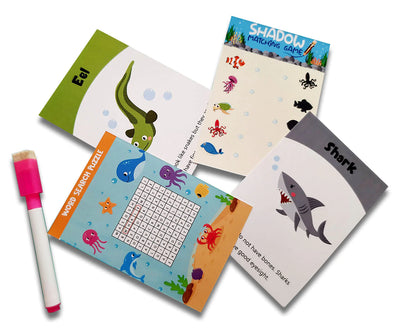
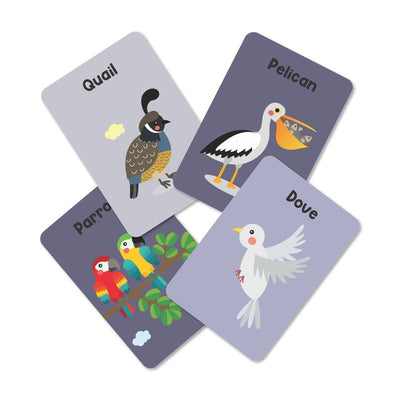
Infants and toddlers are in a sensitive period for language acquisition, absorbing words and sounds from their environment like sponges. Parents can enrich vocabulary through constant, descriptive communication, naming objects, and reading aloud daily. Using 'nomenclature cards' or simply pointing out objects in the home and during visits to the local market helps build a robust vocabulary naturally.
Reading and Writing Foundations (3-6 Years)
For preschoolers, Montessori provides concrete pathways to literacy. Sandpaper letters allow children to feel the phonetic sounds, bridging the gap between sound and symbol. The Movable Alphabet enables them to construct words before they have the fine motor skills for writing, fostering early composition. These hands-on methods demystify reading and writing, making them engaging rather than daunting.
Communication and Expression (6-8 Years)
As children mature, the focus expands to include more complex communication and expressive language. Encouraging storytelling, both spoken and written, debating ideas, and engaging in collaborative projects helps refine their ability to articulate thoughts. The Times of India's coverage on supporting cognitive development, even in children with Down Syndrome, underscores the universal benefits of fostering diverse communication methods through play.
Integrating Montessori Educational Toys for Cognitive & Language Growth
SkilloToys.com offers a curated range of Montessori educational toys specifically designed to enhance cognitive and language skills. These materials are not just toys; they are tools for development, meticulously crafted to align with Montessori principles.
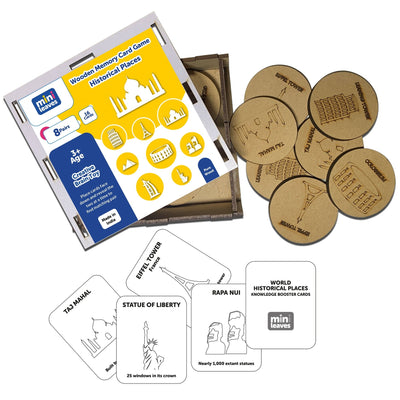
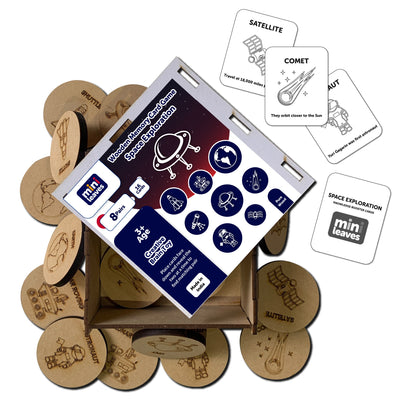
From wooden sorting games that build logical reasoning to phonetic puzzles that introduce letter sounds, each item serves a specific developmental purpose. Investing in quality Montessori materials ensures that your child has access to resources that genuinely support their learning journey, promoting focused play that yields tangible developmental benefits. This is especially relevant in an era where the impact of touchscreen digital exposure on children’s social development and communication is a growing concern, as highlighted by Frontiers research.
- Montessori play-based learning at home cultivates cognitive and language skills through self-directed, purposeful activities.
- A prepared environment, even in small Indian homes, is crucial for fostering a child's independence and focus.
- Age-appropriate Montessori materials are designed to isolate concepts and provide hands-on learning.
- Practical life activities build independence and fine motor skills in young children (0-3 years).
- Sensorial exploration refines senses, creating concrete foundations for abstract thought (3-6 years).
- Language development is enriched through descriptive communication and tactile materials like sandpaper letters.
What is the core principle of Montessori play-based learning?
The core principle of Montessori play-based learning is child-led exploration within a meticulously prepared environment. It emphasizes independence, hands-on discovery, and respect for the child's natural developmental pace, fostering intrinsic motivation and deep learning.
How can I set up a Montessori-friendly space in a typical Indian home?
Setting up a Montessori-friendly space involves creating accessible, organized areas with age-appropriate materials at your child's level. Focus on one activity at a time, use low shelving, and involve your child in maintaining order, even in smaller or joint family living spaces.
What kind of activities support language development through Montessori play?
Language development through Montessori play involves rich vocabulary exposure, 'sound games' for phonological awareness, and hands-on materials like sandpaper letters and movable alphabets. Engaging in conversations, storytelling, and reading together are also fundamental for building strong communication skills.
Are Montessori educational toys different from regular toys for cognitive growth?
Yes, Montessori educational toys are distinct as they are specifically designed for a single purpose, promoting focused learning and skill development. They are typically made from natural materials, are self-correcting, and encourage independent exploration, directly supporting cognitive development without overstimulation.
How important is observation in Montessori play-based learning at home?
Observation is paramount in Montessori play-based learning as it allows parents to understand their child's interests, developmental stage, and readiness for new challenges. This insight enables parents to prepare the environment effectively and introduce materials that genuinely meet their child's evolving needs and capabilities.