Montessori Science Activities for Kids: Nurturing Curiosity (0-8)
Engaging in effective Montessori science activities for kids is crucial for nurturing curiosity and fostering early cognitive development, establishing a foundational love for discovery from infancy. Research shows that children exposed to hands-on scientific exploration demonstrate enhanced problem-solving skills and a deeper understanding of the world around them.
Montessori science education is a child-led, experience-based approach that cultivates observation, classification, and experimentation skills. This matters immensely because it builds a strong scientific foundation and critical thinking. Indian parents can integrate simple, engaging activities at home, transforming everyday moments into profound learning opportunities.
Fostering Science Interest in Children: The Montessori Way
In today’s fast-paced world, where screens often dominate, parents increasingly seek meaningful ways to engage their children. The 'Emerging interest in science during early childhood period' highlighted by Nature underscores a global shift towards valuing early science exposure. Montessori education, developed by Dr. Maria Montessori, champions this by emphasizing practical, self-directed learning that naturally sparks a child's innate desire to explore. This approach is particularly effective in Indian homes, where a rich tradition of observation and family participation provides a natural environment for discovery.
Studies indicate that early engagement in sensory-rich activities significantly enhances brain development and lays the groundwork for complex cognitive processes. Instead of passive consumption of content, Montessori encourages active participation, offering a refreshing alternative to the concerns raised by 'The Times of India' about children attempting to swipe physical books, signaling a worrying over-reliance on digital interfaces.
Early Science Education at Home: From Birth to Three Years
For our youngest learners, early science education at home begins with sensory exploration. From 0-3 years, a child's brain is rapidly absorbing information through touch, sight, sound, smell, and taste. Simple activities can make a profound impact.
Sensory Bins and Nature Walks (0-18 months)
Introducing a 'treasure basket' filled with natural objects like smooth stones, pinecones, and fabric scraps allows infants to explore textures and weights. For older toddlers (12-18 months), supervised nature walks in your Bengaluru garden or local park, pointing out leaves, flowers, and insects, stimulate observation. These early experiences are vital for developing a child's understanding of their environment, a cornerstone of cognitive development science.
Water Play and Simple Experiments (18-36 months)
Water play is a fantastic science activity. Provide different containers, funnels, and natural objects that float or sink. This teaches concepts like volume, buoyancy, and cause-and-effect. A simple experiment could involve dissolving sugar or salt in water, observing the change. Such activities, focused on tangible interaction, offer a stark contrast to the abstract nature of digital games and help mitigate the risks of excessive screen time highlighted by 'Frontiers' research on touchscreen exposure and social development.
Cognitive Development Science: Montessori for Preschoolers (3-6 Years)
As children grow, their capacity for more structured inquiry expands. Montessori science activities for kids in this age group focus on classification, life cycles, and understanding natural phenomena.
Botany and Zoology Explorations
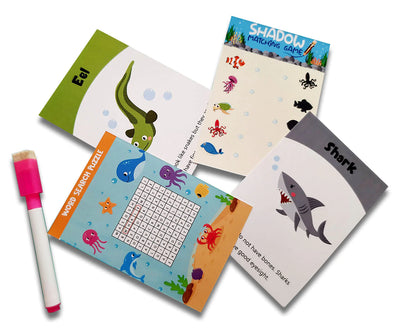
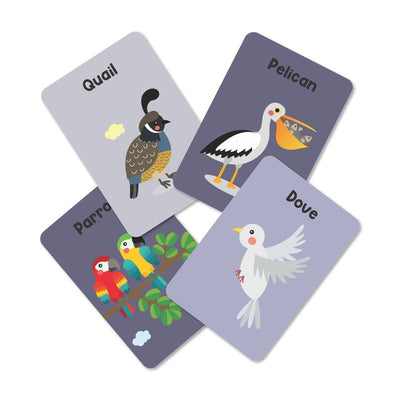
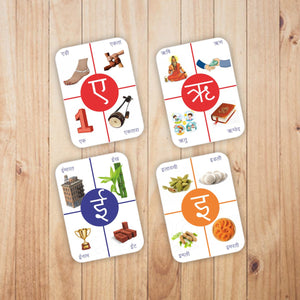
Set up a small plant pot and involve your child in its care, observing growth patterns. Introduce simple plant and animal classification cards (e.g., types of leaves, parts of an insect). SkilloToys offers excellent Montessori method learning materials that aid in this kind of discovery, allowing children to match images and learn vocabulary. Visiting a local farm or even a grandparent’s garden can become an immersive science lesson.
Weather Watch and Seasons
Create a simple weather chart. Observe the sky daily, discuss clouds, rain, and sunshine. Explain how these changes impact what we wear or eat, connecting science to their daily lives. This fosters a connection to nature that often gets overlooked amidst the pressure of early academics in urban Indian settings.
Basic Physics with Puzzles and Magnets
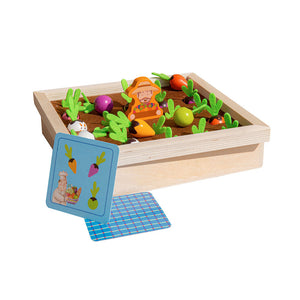
Introduce magnets and discuss attraction and repulsion. Simple puzzles that demonstrate cause and effect, or building blocks that teach balance and gravity, are excellent Montessori science toys for toddlers and preschoolers. These activities directly contribute to cognitive development by encouraging spatial reasoning and problem-solving.
Deeper Dives: Elementary Science for Early Learners (6-8 Years)
For children aged 6-8, Montessori science can delve into more abstract concepts, encouraging experimentation and research.
Life Cycles and Ecosystems
Cultivate a small kitchen garden to observe the life cycle of plants firsthand, from seed to fruit. Discuss local ecosystems, perhaps focusing on the flora and fauna of the Western Ghats if you're in Bengaluru, or the diverse birdlife around your home. Encourage children to record their observations in a journal, fostering scientific documentation skills.
Introduction to Chemistry and Physics
Simple chemistry experiments, like creating a baking soda volcano or exploring density with layered liquids, can be fascinating. Discuss why things happen, prompting deeper thought. For physics, simple machines like levers and pulleys can be demonstrated using everyday household items, turning playtime into an educational adventure.
Montessori Principles in Action: Reducing Screen Time for Science
Child development experts agree that excessive screen time negatively impacts children’s brains, behavior, and long-term health, a concern frequently highlighted by articles like 'Are cartoons hurting your child?' in 'theweek.in'. Montessori science activities offer a powerful antidote.
By providing engaging, hands-on alternatives, parents can redirect children's energy towards productive, curiosity-driven exploration. A dedicated "discovery corner" in your home, equipped with Montessori science toys for toddlers and older kids—magnifying glasses, nature journals, and specimen collections—becomes an irresistible invitation to learn. This deliberate effort to limit digital exposure promotes better communication, social skills, and sustained attention, crucial for both academic and personal success.
Key Takeaways
- Montessori science activities are essential for fostering early cognitive development and a lifelong love for learning in children aged 0-8.
- Engaging children in sensory exploration from infancy (0-3 years) builds foundational understanding of the natural world.
- Hands-on activities like nature walks, water play, and plant care effectively nurture observation and classification skills.
- The Montessori approach actively counteracts the negative effects of excessive screen time by providing engaging, tangible learning experiences.
- Integrating simple science experiments and puzzles at home significantly enhances problem-solving and critical thinking abilities.
- Child development experts recommend self-directed, practical science exploration to support holistic brain development and social skills.
What are the benefits of Montessori science activities for young children?
Montessori science activities foster critical thinking, observation skills, and a natural curiosity about the world. They also enhance cognitive development, fine motor skills, and problem-solving abilities through hands-on, self-directed exploration.
How can I start early science education at home without expensive materials?
You can easily begin early science education at home using everyday items like water, leaves, stones, and kitchen ingredients for simple experiments. Focus on observation, asking questions, and exploring your local environment like a garden or park.
At what age should I introduce Montessori science toys to my child?
Montessori science toys can be introduced as early as infancy (0-12 months) with sensory baskets and tactile objects. For toddlers and preschoolers, materials like magnifying glasses, classification cards, and simple puzzles are highly beneficial.
How do Montessori science activities help reduce screen time?
Montessori science activities provide compelling, hands-on alternatives that actively engage a child's senses and intellect. By offering stimulating, real-world exploration, they naturally redirect attention away from digital devices and towards tangible learning.
Are there specific Montessori science activities suitable for Indian families?
Absolutely. Indian families can leverage their rich natural environment and cultural practices, such as gardening with grandparents, preparing traditional foods (exploring ingredients), or observing local festivals and their seasonal connections, to integrate Montessori science seamlessly into daily life.