Montessori Screen-Free Activities for Kids 0-8
Montessori screen-free activities provide a powerful, research-backed solution for enhancing cognitive and language skills in children aged 0-8, directly addressing the growing concern among Indian parents about excessive digital exposure. These engaging, purposeful alternatives empower children to develop critical thinking, problem-solving abilities, and robust communication skills through hands-on interaction and self-directed exploration.
Montessori screen-free activities are purpose-driven, hands-on engagements that foster a child's natural curiosity and innate drive for learning without digital devices. This matters because active, tactile experiences are crucial for neural pathway development, enhancing focus and problem-solving. Indian parents can implement these activities using readily available educational toys and household items.
The Urgent Need for Screen-Free Alternatives in India
Recent headlines in India Today and other news outlets highlight a critical public health concern: Indian children are experiencing significantly higher screen time than recommended, often double the safe limits, leading to potential cognitive risks. Child development experts consistently warn that excessive digital exposure hinders crucial developmental milestones, impacting attention spans, creative thinking, and social-emotional intelligence.
Research shows that children under eight years who engage in extensive screen time often exhibit delayed language development and reduced executive function. This makes adopting effective activities to reduce screen time for kids not just beneficial, but essential for their holistic growth. As parents in Bengaluru and across India seek solutions, Montessori offers a proven framework for meaningful, engaging play.
Montessori Principles: Foundations for Cognitive & Language Development Without Screens
Maria Montessori's philosophy is rooted in the understanding that children learn best through self-directed activity within a prepared environment. This approach naturally champions cognitive development without screens, emphasizing concrete, multi-sensory experiences over abstract digital interactions. Key principles like practical life skills, sensory exploration, and language enrichment are cornerstones of this effective methodology.
Studies indicate that children engaged in Montessori environments develop superior problem-solving abilities and a deeper understanding of complex concepts compared to traditional methods. The freedom to choose activities fosters independence, concentration, and an intrinsic love for learning, creating a robust foundation for future academic success and personal well-being.
Engaging Montessori Screen-Free Activities for Toddlers (0-3 Years)
For our youngest learners, language skills alternatives to screen time are vital for early communication and vocabulary acquisition. Toddlers thrive on exploring their environment and mimicking daily routines. Encourage practical life activities like sorting dals (lentils) or helping set the dinner table – these simple tasks build concentration and fine motor skills while introducing new words like "red," "yellow," or "plate."
Sensory play is another powerful tool. A "mystery bag" containing household objects for touch, or water play with measuring cups and sponges, stimulates their senses and naturally encourages descriptive language. Sharing picture books and narrating daily events in both English and regional languages by parents and grandparents creates a rich linguistic environment, far surpassing the passive experience of cartoons.
For more foundational learning, explore materials that promote hand-eye coordination and spatial reasoning. Simple wooden puzzles, for example, are excellent for developing early problem-solving skills and fine motor control.
Fostering Skills with Montessori Screen-Free Activities for Preschoolers (3-6 Years)
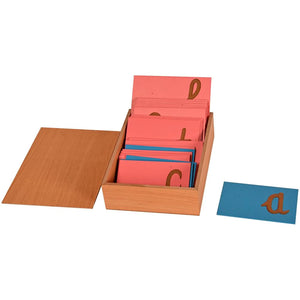
As children grow, their capacity for focused work expands, making this a prime age for dedicated educational toys for screen time reduction. Montessori materials like the Pink Tower or Brown Stair introduce concepts of dimension and sequence, while Sandpaper Letters link phonetic sounds to tactile forms, laying strong foundations for reading and writing.
Storytelling and imaginative play become increasingly sophisticated. Encourage children to create their own stories using puppets or open-ended play figures, fostering creativity and narrative skills. Involve them in traditional Indian crafts like rangoli designs with coloured sand or simple clay modelling, enhancing both fine motor dexterity and cultural connection. These activities develop critical thinking and spatial awareness without any digital interaction.
Introducing complex materials that require sequential thought, such as various types of Montessori puzzles, helps build logical reasoning and perseverance. These hands-on challenges are far more effective for brain development than swiping on a tablet.
Advanced Montessori Screen-Free Activities for Early Schoolers (6-8 Years)
For children transitioning into primary school, Montessori solutions for screen time continue to be highly effective, moving towards more abstract concepts and collaborative work. Encourage research using physical encyclopedias or library books for school projects, fostering information literacy and independent learning. Activities like mapping India's states or learning about different Indian festivals through hands-on projects ignite cultural understanding and geographical knowledge.
Complex practical life activities, such as baking a simple cake or assisting with gardening, teach patience, measurement, and responsibility. Board games and card games with family members or friends enhance strategic thinking, turn-taking, and social skills – crucial elements often neglected by solitary screen use. These interactions with family, especially grandparents, are invaluable for building strong intergenerational bonds and sharing cultural heritage.
For a wide range of developmental tools that support advanced cognitive and language learning, explore our comprehensive Montessori learning materials and toys designed for all age groups.
Embracing Montessori screen-free activities is a proactive step Indian parents can take to safeguard and enrich their child's cognitive and language development. By providing a prepared environment filled with engaging, purposeful materials and fostering genuine interaction, we empower children to build a robust foundation for lifelong learning and well-being, away from the digital glow.
- Montessori screen-free activities are scientifically proven to enhance cognitive and language skills in children aged 0-8.
- Excessive screen time in Indian children is a significant concern, necessitating purposeful, hands-on alternatives for healthy development.
- Practical life activities and sensory play are crucial for toddlers (0-3) to build foundational motor and communication skills.
- Preschoolers (3-6) benefit immensely from Montessori materials like Sandpaper Letters and age-appropriate puzzles for literacy and logical reasoning.
- Early schoolers (6-8) thrive on collaborative projects, board games, and cultural studies that promote advanced critical thinking and social skills.
- Integrating Montessori principles into daily routines fosters concentration, independence, and a deep, intrinsic love for learning.
What is the ideal amount of screen time for children aged 0-8?
Child development experts and the World Health Organization recommend zero screen time for children under 18 months, except for video calls with family. For children aged 2-5, ideally, screen time should be limited to less than one hour per day, and for 6-8-year-olds, it should be highly monitored and purpose-driven, typically under two hours.
How do Montessori activities specifically boost language skills?
Montessori activities boost language skills through direct interaction with concrete materials, encouraging descriptive vocabulary and communication. Materials like Sandpaper Letters introduce phonetics, while practical life activities provide context for discussing actions and objects. This active engagement is far more effective than passive listening or viewing on a screen.
Can I implement Montessori screen-free activities at home without formal training?
Yes, absolutely. Many Montessori screen-free activities can be easily adapted for home use without formal training. Focus on creating a prepared environment, offering child-sized tools, and observing your child's interests. Simple activities like sorting, pouring, drawing, and engaging in household chores are excellent starting points.
Are educational apps as effective as physical Montessori toys for cognitive development?
No, educational apps are generally not as effective as physical Montessori toys for foundational cognitive development, especially for young children. Physical toys provide multi-sensory engagement, spatial reasoning, and fine motor practice that screens cannot replicate. Research consistently shows the benefits of hands-on learning over digital simulations for deep understanding.
How can I encourage my child to choose screen-free activities over screens?
To encourage screen-free choices, consistently offer engaging alternatives that match your child's developmental stage and interests. Make these activities easily accessible and participate with them initially. Establishing clear screen time rules and modelling screen-free behaviour yourself are also crucial for success, showing the value of real-world interaction.