Multilingual Language Development India: A Montessori Guide
In India's vibrant tapestry of languages, fostering strong multilingual language development India is not just an aspiration but often a daily reality for many families. This guide explores how the Montessori method provides a powerful, science-backed framework for nurturing young minds in a linguistically diverse environment, aligning perfectly with the evolving understanding that language policy must reflect India's realities, as recently highlighted by The New Indian Express. By embracing a structured, respectful approach to language, we can empower children to thrive linguistically and cognitively.
What is Multilingual Language Development?
Multilingual language development is the process by which a child acquires proficiency in more than one language, either simultaneously from birth or sequentially during early childhood. This matters because it significantly enhances cognitive abilities, cultural understanding, and communication skills. Indian parents can proactively create rich linguistic environments, allowing children to effortlessly absorb diverse languages.
India's Linguistic Richness: An Asset for Young Minds
For centuries, Indian households have been microcosms of linguistic diversity, where children might hear Marathi from their mother, Hindi from their father, and Kannada from their grandparents, all before starting English-medium school. This natural immersion is a profound advantage. Research shows that children exposed to multiple languages from an early age develop superior problem-solving skills, enhanced cognitive flexibility, and a more nuanced understanding of different cultures.
Instead of viewing multiple languages as a potential hurdle, parents can embrace them as a foundational strength. The National Council of Educational Research and Training (NCERT) frameworks consistently emphasize the importance of mother-tongue education alongside other languages, recognizing the deep cognitive and cultural roots it provides. This context makes the Montessori approach particularly relevant, offering a respectful and scientifically grounded method for leveraging India's inherent multilingualism.
Montessori Principles for Raising Bilingual Children India
Maria Montessori observed that children possess an "absorbent mind" from birth to age six, enabling them to effortlessly absorb information from their environment. For raising bilingual children India, this principle is invaluable. The Montessori method emphasizes a "prepared environment" – one that is rich in language, order, and beauty, allowing the child to explore and learn independently.
One effective strategy is the "one parent, one language" (OPOL) approach, adapted for the Indian context. For instance, a mother might consistently speak in Gujarati, while the father speaks in English. In a joint family setting, this can extend to "one person, one language," where a Dadi always speaks in Tamil and a Dada in Telugu. This consistent exposure helps the child differentiate between languages naturally, building strong linguistic foundations without confusion.
Practical Montessori Language Activities India
Montessori materials are designed to isolate concepts, making them ideal for distinct language exposure. Here are ways to integrate them for Montessori language activities India:
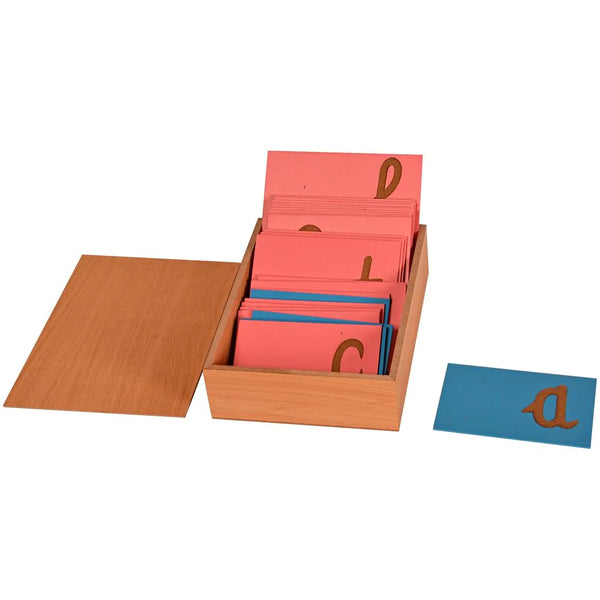
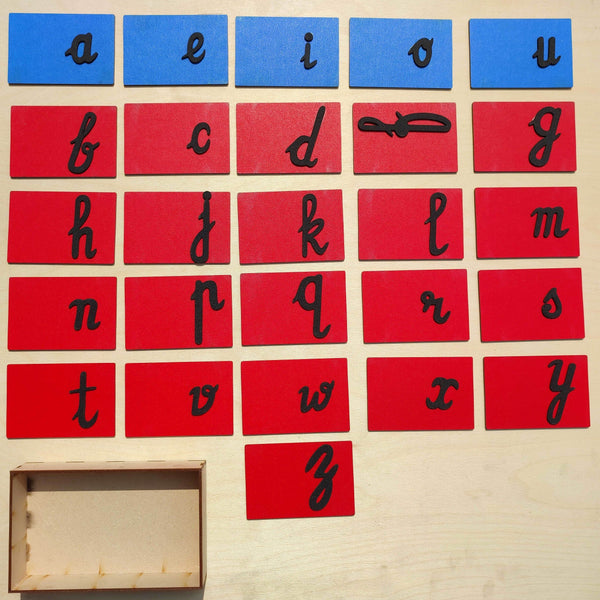
- Sensory Language Exploration: Introduce sandpaper letters for English, Hindi, or even regional scripts like Kannada or Bengali. The tactile experience reinforces the phonetic sounds and visual shapes of each language. This provides a multi-sensory pathway to literacy, making each language distinct and memorable.
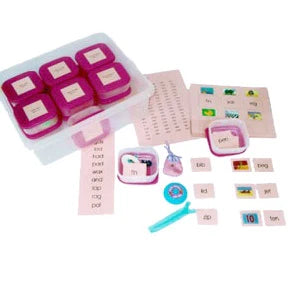
- Nomenclature Cards for Vocabulary: Create or use picture cards with labels in different languages. For example, a card depicting an apple could have "apple," "सेब (seb)," and "ಸೇಬು (sebu)" labels. Present these systematically, focusing on one language at a time before introducing the next. These can be found in our Montessori educational toys collection.
- Storytelling and Cultural Narratives: Encourage grandparents to share traditional folk tales and songs in their mother tongue. This not only provides valuable language exposure for kids India but also strengthens cultural identity and family bonds. Imagine a child hearing tales of Tenali Rama in Telugu from their grandparents, then retelling them in English at school.
- "I Spy" Games in Multiple Languages: Play simple observational games. "I spy with my little eye something red" in English, then "मैं अपनी छोटी आँख से कुछ लाल देखता हूँ" in Hindi. This builds vocabulary and auditory discrimination across languages in a playful manner.
The core of these activities is precision and respect for each language. Just as a Montessori classroom has designated areas for different activities, each language can have its 'space' in the child's learning journey, whether through specific materials or dedicated time with a particular speaker.
Cultivating Consistent Language Exposure for Kids India in Daily Life
Beyond structured activities, weaving multiple languages into daily routines is crucial. When preparing a meal, name ingredients in two or three languages. During festivals like Diwali or Onam, discuss the traditions using terms from the relevant regional language, then translate for wider understanding. These organic interactions are powerful for reinforcing language exposure for kids India.
Parents often worry about code-switching (mixing languages) or perceived speech delays in multilingual children. Child development studies, including those by the American Academy of Pediatrics, reassure us that temporary code-switching is a normal developmental stage and typically resolves as language proficiency grows. Any perceived delay is often within the normal range, as the child's brain is processing a significantly larger linguistic database.
For children aged 18-24 months, using simple, clear instructions in each language is vital. As they grow, introducing more complex concepts through materials like puzzles or sequencing cards can enhance both cognitive and language skills. For instance, a story sequence puzzle can be narrated in English, then in Hindi, building comprehension in both. These Montessori educational toys language skills are fundamental to our approach at SkilloToys.
Nurturing multilingual minds in India is not merely about teaching words; it's about fostering cognitive agility, cultural pride, and a deep connection to one's heritage. By adopting a thoughtful, Montessori-inspired approach, parents can transform India's linguistic diversity into an extraordinary gift for their children, preparing them for a world that increasingly values diverse perspectives and communication skills.