Play-Based Learning: Crucial for Child Development
Recent insights, echoed prominently by a landmark India Today article, firmly establish that play-based learning child development is foundational, mirroring the importance of nutrition for a child's holistic growth. This approach provides essential cognitive and linguistic scaffolding, ensuring children in India grow into well-rounded, articulate individuals. Child development experts agree that just as a balanced diet fuels physical health, purposeful play nurtures the mind and communication abilities from an early age.
For Indian parents navigating the complexities of early childhood education, understanding this parallel is crucial. Embracing play-based learning means offering children opportunities to explore, discover, and learn at their own pace, fostering crucial skills beyond rote memorisation. It's a holistic pathway to preparing children for future academic and life successes, strengthening the very fabric of their developmental journey.
The Unseen Power of Play: Why It's Vital for Holistic Child Development
Research consistently demonstrates that play is not merely recreation but a critical mechanism for holistic child development. It acts as a natural laboratory where children experiment with ideas, test theories, and understand the world around them. This active engagement during play contributes significantly to their physical, emotional, social, and intellectual well-being, shaping resilient and adaptable individuals.
In the bustling landscape of Indian homes, from joint families in Bengaluru to nuclear setups across the country, children are constantly observing and interacting. Incorporating dedicated play-based learning moments provides a structured yet flexible environment for growth, ensuring they develop essential life skills naturally. This is especially vital in light of initiatives like Punjab's Mission Aarambh, which leverages digital platforms to strengthen early childhood learning, highlighting the widespread recognition of play's foundational role.
What is Play-Based Learning?
Play-based learning is an educational methodology where children learn through engaging in purposeful, self-directed play activities. This matters because it allows for organic skill development in areas like problem-solving, creativity, and social interaction, making learning inherently engaging. Indian parents can integrate this by providing open-ended materials and a supportive environment for exploration.
Cultivating Cognitive Skills Through Purposeful Play
Cognitive skills, encompassing problem-solving, critical thinking, memory, and concentration, are profoundly honed through play. When a child engages with Montessori puzzles, they are not just having fun; they are developing spatial awareness, fine motor control, and logical reasoning. Each attempt to fit a piece correctly refines their analytical abilities and builds perseverance.
Studies indicate that children engaged in self-directed play exhibit higher problem-solving abilities and greater flexibility in thought. For instance, building a tower with blocks teaches concepts of balance and structure, while imaginative play allows children to explore complex social scenarios. These experiences are invaluable for developing the cognitive frameworks necessary for academic achievement and everyday challenges.
Maria Montessori's philosophy itself champions this, with materials like the Pink Tower or Brown Stair directly promoting order, precision, and logical thought. These activities, available at SkilloToys' main collection, are designed to challenge and stimulate, guiding children to discover solutions independently. This approach cultivates intrinsic motivation and a deep understanding, rather than superficial memorisation.
Nurturing Language Development Through Playful Interaction
Language development through play is a dynamic process, transforming passive listening into active communication. When children engage in role-playing, pretending to be a shopkeeper or a doctor, they practice vocabulary, sentence structure, and narrative sequencing. This experiential learning provides context for new words and phrases, making them more meaningful and memorable.
Interactive games and storytelling, often shared with grandparents or siblings during family gatherings, are powerful tools for linguistic growth. A child narrating a story about their favourite festival or describing their play adventure is actively building their expressive language skills. The effectiveness of teletherapy for developmental language disorder in India also underscores the importance of targeted, interactive engagement in linguistic growth, often mirroring play-based principles.
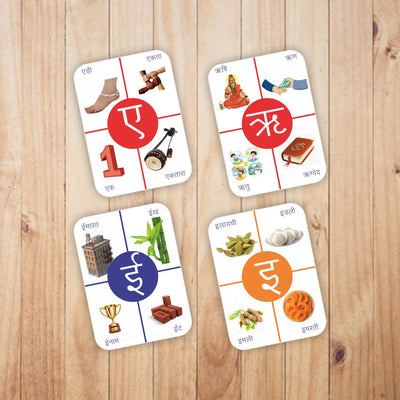
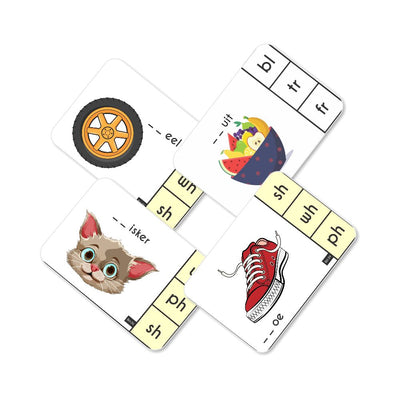
Montessori environments specifically foster language acquisition through materials like sandpaper letters and phonetic games. These tactile experiences connect sounds to symbols, building a strong foundation for reading and writing. At SkilloToys, our range of educational materials encourages this sensory exploration, supporting both receptive and expressive language skills from 18-24 months and beyond.
Montessori Play Benefits: A Framework for Indian Homes
The Montessori method offers a powerful framework for integrating play-based learning into Indian homes, honouring the child's natural curiosity and capacity for self-directed learning. It emphasizes a 'prepared environment' where children can freely explore and engage with purposeful materials, developing concentration and independence.
Consider the practical life activities, such as pouring water or sweeping, which are common in Indian households. These are not just chores; in a Montessori context, they are engaging 'work' that refines motor skills, teaches order, and builds confidence. Such activities seamlessly integrate into daily routines, making learning a natural part of family life.
For parents supporting children with special needs, like those with Down Syndrome as highlighted by The Times of India, Montessori principles offer tailored, hands-on approaches. The emphasis on individualized learning and sensory engagement in play-based settings can significantly aid in supporting cognitive and physical development, proving the versatility and inclusivity of this approach for all children.
Integrating Play into Everyday Indian Life
Integrating play-based learning doesn't require a complete overhaul of your lifestyle; it's about mindful incorporation. Simple actions, like encouraging children to help with festival preparations – sorting ingredients or decorating – can become rich learning experiences. These activities develop practical life skills, foster cultural understanding, and enhance language through shared narratives.
Providing access to open-ended toys and materials, rather than prescriptive ones, empowers children to direct their own play. Building blocks, art supplies, and sensory bins (like a basin of lentils or rice) can provide hours of creative exploration. Remember, the goal is to facilitate discovery, not to dictate it.
- Play-based learning is as critical as nutrition for a child's holistic development, impacting cognitive and language skills profoundly.
- Research consistently shows purposeful play enhances problem-solving, critical thinking, and memory.
- Language development thrives through play, as children practice vocabulary, narrative, and social communication.
- Montessori principles naturally align with play-based learning, fostering independence and deep understanding through self-directed activity.
- Integrating play into daily Indian routines, such as helping with household tasks or festival preparations, enriches learning.
- Authoritative sources highlight the widespread recognition of play's role, from national articles to government initiatives.