Play-Based Learning & Nutrition for Child Development
A recent India Today article underscores a crucial truth: the synergistic impact of play-based learning and nutrition is foundational for robust cognitive and language development in children. Research shows that integrating enriching play with balanced nutrition significantly enhances a child's brain architecture, communication abilities, and overall academic readiness, making it a definitive strategy for nurturing bright young minds in India.
This integrated approach, championed by child development experts, is not merely about separate activities but a seamless intertwining of experiences that fuel growth. For Indian parents, understanding this connection means empowering their children beyond rote learning, creating a holistic environment from infancy through early childhood.
What is the Integrated Approach to Child Development?
The integrated approach recognises that a child's cognitive, emotional, social, and physical development are deeply interconnected and mutually reinforcing. It matters because optimal brain function, learning, and communication are dependent on both stimulating environments and proper biological fuel. Indian parents can implement this by consciously blending enriching play with nutrient-dense diets daily.
The Synergy of Play and Nutrition for Cognitive Development
Studies indicate that a child's brain development is profoundly influenced by the quality of their early experiences and dietary intake. Active engagement through play, such as solving puzzles or building blocks, stimulates neural pathways responsible for problem-solving, memory, and critical thinking. Simultaneously, adequate nutrition provides the essential fatty acids, proteins, and micronutrients needed for forming strong synaptic connections.
Child development experts agree that nutrient-dense foods, like those rich in Omega-3s found in fatty fish or walnuts common in Indian households, directly support brain health. When a child engages in complex play while being well-nourished, their cognitive functions are enhanced, leading to greater attention spans and improved learning outcomes. This combination is particularly vital during the rapid brain growth period from 0-3 years.
Fueling Language Fluency: How Both Factors Converge
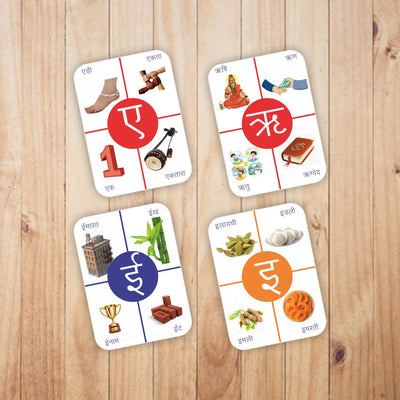
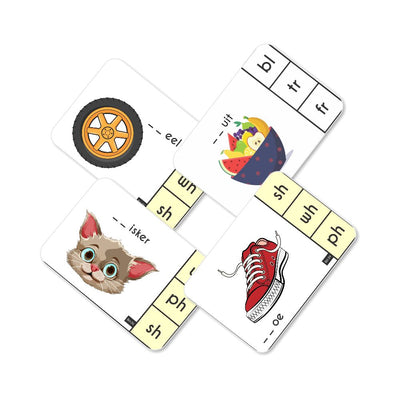
Language development is a cornerstone of a child's ability to communicate, express, and learn. A rich play environment, filled with verbal interactions, storytelling from grandparents, and imaginative role-playing, provides abundant opportunities for language acquisition. For instance, a child playing with Montessori sandpaper letters actively connects sounds with symbols, building phonological awareness.
However, the brain's capacity to process and store this linguistic information is heavily reliant on nutrition. Iron deficiency, for example, is linked to poorer cognitive and language outcomes, affecting attention and auditory processing. A diet rich in B vitamins, found in dals and whole grains, supports nerve function crucial for speech and listening. The integrated effect means that a well-fed child engaged in purposeful play will absorb and utilise language much more effectively.
Crafting a Holistic Environment: Practical Steps for Indian Families
Creating a holistic environment for child development in an Indian home is both traditional and innovative. It involves leveraging the warmth of joint families for social interaction and storytelling, alongside mindful dietary choices. Parents can offer a variety of colourful, local fruits and vegetables, ensuring children receive a spectrum of vitamins and minerals crucial for growth.
Encouraging unstructured play, where children lead their learning, is as important as providing balanced meals. This could involve exploring nature in the backyard, helping with simple household chores, or engaging with open-ended Montessori materials that promote self-discovery. This approach helps reduce the pressure often associated with early academic success, focusing instead on joyful, natural development.
Montessori's Wisdom: An Integrated Blueprint
Maria Montessori's philosophy inherently champions an integrated approach, recognising the child as a whole being. Her method emphasises prepared environments that facilitate self-directed play and learning, coupled with an understanding of a child's physical needs. For example, practical life activities in a Montessori classroom often involve preparing snacks, teaching children about food and independence.
Montessori materials, like the Pink Tower for size discrimination or various sensory bins, stimulate cognitive functions and language through hands-on exploration. This purposeful engagement, when supported by excellent nutrition, ensures optimal brain development. Research demonstrates that children in stimulating Montessori environments, coupled with healthy diets, show statistically significant gains in executive function skills.
The Role of Food in Brain Development and Play Endurance
The brain, though only 2% of body weight, consumes about 20% of the body's energy. This makes the quality of a child's diet directly relevant to their capacity for sustained play and learning. Foods rich in complex carbohydrates provide steady energy, preventing energy crashes that can affect concentration and mood during play.
Proteins are critical for neurotransmitter production, impacting mood, focus, and memory. Moreover, sufficient hydration is often overlooked but vital for optimal brain function and preventing fatigue during active play. Ensuring children have access to nutritious snacks and water throughout their day directly enhances their ability to engage deeply with their environment and learn through play.
- The integration of play-based learning and nutrition is scientifically proven to enhance cognitive and language development in children.
- Optimal brain development relies on both rich, stimulating play environments and a consistent intake of nutrient-dense foods.
- Maria Montessori's philosophy naturally aligns with this integrated approach, fostering holistic child growth through purposeful activity and independence.
- For Indian families, leveraging traditional foods and joint family dynamics can significantly contribute to a child's overall well-being and intellectual growth.
- Specific nutrients like Omega-3s, iron, and B vitamins are crucial for supporting neural pathways involved in language processing and cognitive functions.
- Providing both open-ended play opportunities and balanced meals leads to improved attention, memory, and problem-solving skills in young children.
Why are play-based learning and nutrition equally important?
Play-based learning stimulates cognitive functions, problem-solving, and social skills, while nutrition provides the essential building blocks for brain development and energy. Both are critical and work synergistically, as studies indicate, for holistic child development and academic success.
How does nutrition specifically support language development?
Adequate nutrition, particularly Omega-3 fatty acids, iron, and B vitamins, supports neural pathways responsible for language processing, memory, and attention. This biological foundation enables children to better absorb and process linguistic information from their environment and play experiences.
What role does a joint family play in this integrated approach?
In a joint family, grandparents and other relatives offer a rich environment for language exposure through storytelling, songs, and conversations. They also often contribute to traditional, nutrient-rich meals, fostering a consistent and loving setting that naturally supports both play and healthy eating habits for children.
Are Montessori materials suitable for integrating play and nutrition education?
Absolutely. Montessori materials, like practical life activities involving food preparation or sensory materials, naturally integrate learning about food and nutrition into play. Children can learn about different food groups, textures, and the process of eating through hands-on, self-directed exploration.
How can parents identify nutrient deficiencies impacting cognitive skills?
Persistent fatigue, poor concentration, irritability, or delayed developmental milestones can signal nutritional deficiencies impacting cognitive skills. Consulting a paediatrician or a qualified nutritionist for a comprehensive assessment and personalised dietary advice is crucial for early intervention.