Prevent Screen Addiction Kids: Montessori Cognitive Health
To effectively prevent screen addiction kids face in today's digital landscape, parents must proactively implement strategies that safeguard cognitive development. Research indicates that excessive screen time, particularly before the age of two, significantly impacts a child's attention span, executive functions, and language acquisition, underscoring the urgency for early intervention and a balanced approach.
As Indian parents witness the rapid proliferation of digital devices, concerns about their children's well-being are paramount. The 'Screen addiction risks' highlighted by recent news, alongside reports of children attempting to 'swipe books' instead of turning pages, paint a clear picture: a deliberate, Montessori-inspired approach is essential to nurture focus and a love for real-world learning.
What is Screen Addiction and its Impact on Cognitive Development (0-8)?
Screen addiction, in young children, is defined as a compulsive, excessive, and uncontrolled engagement with digital devices that interferes with daily life and healthy development. This matters immensely because it directly compromises the development of critical neural pathways responsible for attention, memory, and emotional regulation.
Indian parents can mitigate this by understanding that formative years (0-8) are crucial for building foundational cognitive structures, which hands-on interaction and focused play primarily facilitate, not passive screen consumption. Studies indicate that early and prolonged exposure to touchscreens can negatively affect social development and communication skills, as noted in a systematic review published in Frontiers.
The Montessori Approach: Building Cognitive Resilience
Maria Montessori's philosophy offers a powerful antidote to the challenges of the digital age by prioritizing self-directed, hands-on learning within a prepared environment. This approach systematically builds a child's intrinsic motivation, concentration, and problem-solving abilities, which are the very skills digital over-reliance often erodes.
A prepared Montessori environment in an Indian home encourages independence and a deep engagement with reality. Children naturally develop resilience and a preference for purposeful activity when given the freedom to explore and master tangible concepts. This foundation makes them less susceptible to the fleeting, superficial engagement offered by screens.
Cultivating Engaging Montessori Screen Time Alternatives
Providing enriching alternatives is key to redirecting a child's focus away from screens. Montessori emphasizes practical life activities, which involve children in everyday household tasks like pouring, sweeping, or buttoning. These activities build fine motor skills, concentration, and a sense of accomplishment.
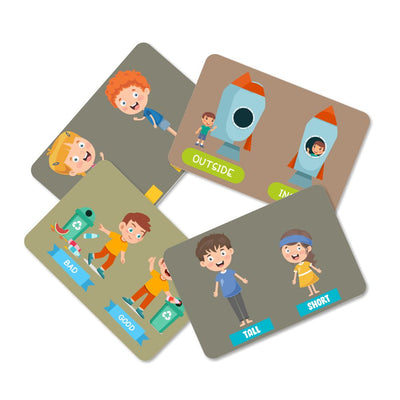
Sensory play, using materials like sand, water, or playdough, engages multiple senses and fosters creativity and problem-solving. Language materials, such as sandpaper letters and picture cards, offer tactile and visual pathways to literacy. Explore a wide range of Montessori learning materials at SkilloToys that cater to every developmental stage, providing rich, real-world alternatives.
Implementing a Digital Detox for Kids: Practical Steps for Indian Homes
A digital detox involves creating clear boundaries and screen-free periods, which are essential for allowing a child's brain to rest and engage in deep play. Start by designating screen-free zones, such as bedrooms and dining areas, fostering family mealtimes focused on conversation.
Establishing 'no-screen' hours, especially before bedtime, significantly improves sleep quality. In joint family setups, grandparents can be incredible allies, engaging children with traditional stories, outdoor games, and creative pursuits, providing natural and rich Montessori screen time alternatives. Role modeling healthy screen habits is crucial; children learn best by observing their parents.
Fostering Healthy Screen Habits Children Can Adopt
When screens are introduced, mindful and purposeful engagement is paramount. Experts urge parents to prioritize educational content and co-view with children, actively discussing what they see and hear. Limit screen time to designated periods, ensuring it does not displace essential activities like reading, outdoor play, or social interaction.
Healthy screen habits for children include setting clear rules, such as a 30-minute daily limit for younger children, and consistently enforcing them. Encourage children to use screens for creative expression, like digital art or educational games, rather than passive consumption. This balance ensures that technology serves as a tool for learning, not a source of addiction.
Montessori Toys: The Foundation for Cognitive Development and Focus
Montessori toys are meticulously designed to foster concentration, independence, and a deep understanding of concepts. Materials like the Pink Tower or Brown Stair develop visual discrimination and logical thinking. Practical life tools enhance fine motor control and sequencing, laying groundwork for academic success.
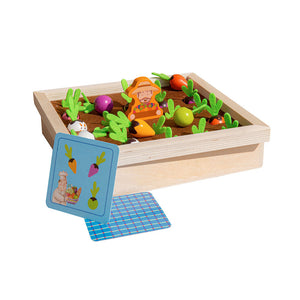
Engaging with Montessori puzzles, for example, strengthens spatial reasoning and problem-solving skills far more effectively than any digital game. These hands-on experiences promote sustained attention, a skill increasingly rare in a screen-dominated world. Providing a rich array of Montessori toys at home is a powerful strategy for building robust cognitive abilities and naturally protecting children from screen over-reliance, fostering genuine joy in discovery.
Key Takeaways for Parents
- Excessive screen time under age 8 significantly impacts cognitive development, attention, and language skills.
- Montessori principles offer a structured approach to build resilience against screen addiction through hands-on learning.
- Practical life activities and sensory play are crucial Montessori screen time alternatives that foster concentration and fine motor skills.
- Implementing digital detoxes and screen-free zones in Indian homes, with grandparent involvement, is highly effective.
- Healthy screen habits emphasize limited, educational, and co-viewed content, balanced with real-world engagement.
- Montessori toys are essential tools that cultivate sustained focus, problem-solving, and a love for learning, naturally preventing screen over-reliance.
Protecting a child's cognitive development in the digital age requires intentional, thoughtful strategies. By embracing Montessori principles, Indian parents can create environments that nurture focus, creativity, and a lifelong love of learning, ensuring their children thrive in a world that balances technology with the invaluable richness of real-world experiences. Explore SkilloToys.com for a curated selection of materials that support your child's holistic development.
How does screen time affect cognitive development in young children?
Excessive screen time in young children disrupts crucial brain development pathways, hindering attention span, problem-solving skills, and language acquisition. It replaces hands-on experiences vital for sensory-motor integration and abstract thought.
What are effective Montessori screen time alternatives?
Montessori screen time alternatives focus on practical life activities, sensory play, and open-ended materials that engage children's senses and promote concentration. These activities foster independence and build foundational cognitive skills naturally.
How can parents implement a digital detox for kids at home?
Implementing a digital detox involves establishing screen-free zones and times, modeling healthy screen habits, and proactively planning engaging alternatives. In Indian homes, involving grandparents in traditional play can significantly support this transition.
What are healthy screen habits children can adopt?
Healthy screen habits include limited, purposeful screen time with high-quality educational content, always co-viewed or discussed with a parent. It also involves balancing screen engagement with abundant opportunities for physical play, reading, and social interaction.
Do Montessori toys help prevent screen addiction?
Montessori toys directly help prevent screen addiction by offering rich, engaging, and purposeful activities that satisfy a child's innate drive to learn and explore. They foster deep concentration, problem-solving, and a love for real-world interaction, reducing the perceived need for digital entertainment.