Telugu Letters with Pictures: Engaging Montessori Activities
Teaching telugu letters with pictures through engaging Montessori activities significantly boosts a child's cognitive and linguistic development from an early age, research consistently shows. By incorporating multi-sensory experiences and self-directed play, children aged 0-8 in Bengaluru and across India can acquire foundational language skills effectively and joyfully.
Montessori Telugu learning involves hands-on, self-correcting activities that introduce Telugu letters and sounds using tactile and visual materials. This approach matters because it fosters intrinsic motivation and deeper understanding, rather than rote memorization. Indian parents can effectively integrate these methods into daily routines, making language acquisition a natural and enjoyable part of their child's growth.
Nurturing Linguistic Foundations: Why Early Telugu Exposure Matters (0-3 Years)
Early childhood is a critical period for language acquisition, with the brain forming neural connections rapidly. Research indicates that children exposed to multiple languages or rich linguistic environments from birth develop enhanced cognitive flexibility and problem-solving skills. Much like Punjab’s ‘Mission Aarambh’ strengthens early childhood learning through digital platforms and parental engagement, direct, hands-on interaction with language is crucial for establishing strong linguistic foundations.
In many Indian joint families, grandparents play a vital role in passing down cultural heritage, including language. Introducing Telugu letters with pictures during this formative period not only enriches a child’s vocabulary but also strengthens their connection to family roots and traditions. This natural immersion supports a holistic developmental pathway, integrating cultural values with intellectual growth.
Sensory Exploration: First Steps with Telugu Alphabets
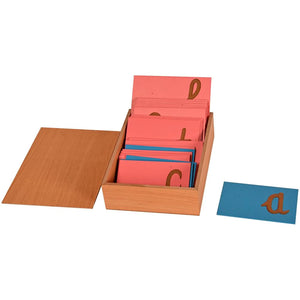
Maria Montessori emphasized that learning should engage all senses. For telugu alphabet activities for kids aged 0-3, this means tactile and visual experiences. Introduce sandpaper Telugu letters, allowing children to trace the shape while hearing its sound.
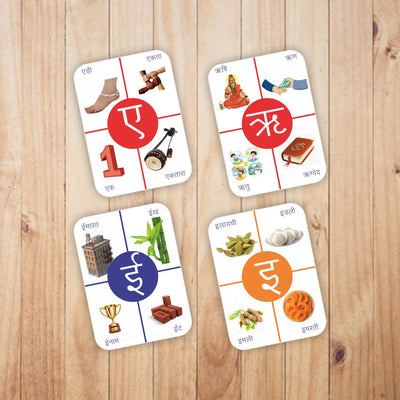
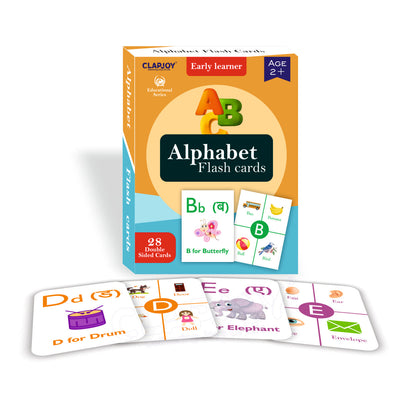
Create simple matching games using flashcards with Telugu letters and corresponding pictures of familiar objects or animals found in Indian homes, like a cow (ఆవు - āvu) or a mango (మామిడి - māmiḍi). These activities build early recognition and phonemic awareness, laying a solid groundwork for future literacy.
Playful Progress: Montessori Telugu Learning Games for Preschoolers (3-6 Years)
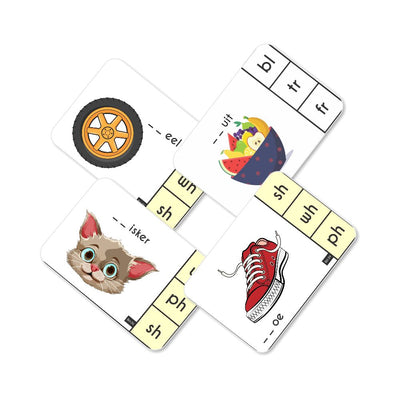
As children grow, their capacity for more structured play expands. Montessori Telugu learning games for preschoolers should encourage independence and self-correction. Letter puzzles are excellent tools, allowing children to manipulate shapes and fit them into their correct slots, thereby reinforcing visual discrimination and fine motor skills.
For instance, SkilloToys offers a range of vibrant puzzles that allow children to match letter shapes to corresponding images, enhancing their understanding of Telugu letters with pictures. Incorporating storytelling around these letters makes the learning process even more engaging and memorable.
From Sounds to Stories: Building Vocabulary
Moving beyond individual letters, preschoolers can begin connecting letters to form simple words and narratives. Create 'I Spy' games focusing on Telugu letter sounds, asking children to identify objects in the room that start with a particular sound. This strengthens auditory discrimination and vocabulary.
Encourage them to form simple words using movable alphabet letters after recognizing telugu letters with pictures. Reading Telugu storybooks together, pointing out the letters as you read, bridges the gap between individual characters and meaningful text, fostering a love for reading.
Deepening Understanding: Learn Telugu with Pictures Activities for Early Graders (6-8 Years)
For children aged 6-8, who are often preparing for or navigating primary school, activities become more focused on literacy and writing. To learn telugu with pictures activities, incorporate tracing and freehand writing practice, ensuring children understand stroke order and letter formation. Provide opportunities to label objects around the house in Telugu, reinforcing practical application.
Create flashcards where one side shows the Telugu letter and the other shows a picture and the word written in Telugu. This helps solidify the connection between the visual, phonetic, and written forms. Such structured yet engaging practice supports their academic journey, addressing common parental concerns about school readiness.
Collaborative Learning: Family Fun with Telugu Language Play
Involving the entire family in telugu language play for children creates a supportive and culturally rich learning environment. During festivals like Sankranti or Diwali, discuss related Telugu words and their meanings, linking language to cultural celebrations. Grandparents can share traditional Telugu songs or stories, making learning an intergenerational experience.
Family game nights can include Telugu-themed charades or Pictionary, using pictures and words. This collaborative approach makes learning enjoyable and reinforces the idea that language is a vibrant, living part of their heritage. Explore our extensive Montessori Method Learning Materials collection for age-appropriate resources that support these engaging family activities.
The SkilloToys Advantage: Holistic Development Through Montessori
SkilloToys.com is dedicated to providing high-quality Montessori-aligned educational tools that foster comprehensive child development. Our approach to learning Telugu letters with pictures extends beyond mere memorization, aiming for deep understanding and practical application. Just as initiatives support the cognitive and physical development in children with Down Syndrome through tailored interventions, Montessori principles benefit *all* children by providing an environment that respects individual learning paces and diverse needs.
Child development experts emphasize that multi-sensory and self-directed learning, central to Montessori, empowers children to become confident, independent learners. SkilloToys curated selection supports this philosophy, ensuring that every child in Bengaluru and beyond has access to resources that make learning Telugu an enriching and joyful journey.
- Early exposure to Telugu letters with pictures significantly enhances a child's linguistic and cognitive development.
- Montessori methods, utilizing multi-sensory materials like sandpaper letters, make learning Telugu intuitive and engaging.
- Children from 0-8 years benefit from playful, hands-on activities that connect Telugu alphabets to familiar objects.
- Integrating Telugu language play into daily Indian family life strengthens cultural identity and intergenerational bonds.
- Research shows that a child's capacity for language acquisition is highest in their foundational years (0-6).
- SkilloToys provides curated Montessori resources specifically designed to support comprehensive Telugu language learning.
What are the best Montessori activities for learning Telugu letters with pictures for toddlers?
For toddlers, multi-sensory activities are key. Sandpaper Telugu letters, matching letter cards to familiar objects, and tracing large Telugu letters in sand or on a slate are highly effective. These engage sight, touch, and muscle memory for foundational learning.
How do Montessori Telugu learning games benefit preschoolers?
Montessori Telugu learning games for preschoolers foster independent learning and problem-solving. Activities like letter puzzles, phonetic matching games, and 'I Spy' with Telugu letter sounds develop phonemic awareness and early literacy skills in a fun, self-correcting way.
At what age should I start teaching my child Telugu letters using pictures?
Child development experts agree that introducing Telugu letters with pictures can begin as early as 18-24 months through passive exposure and sensory play. Formal recognition activities become more effective from 2.5-3 years, adapting to the child's readiness and interest.
Can Telugu language play activities really improve cognitive skills?
Yes, Telugu language play activities significantly enhance cognitive skills. Engaging in letter recognition, vocabulary building, and storytelling in Telugu stimulates critical thinking, memory retention, and problem-solving abilities, contributing to overall intellectual growth.
What role do parents and grandparents play in teaching Telugu letters with pictures?
Parents and grandparents are crucial in teaching Telugu letters with pictures by creating a language-rich home environment. Their active participation in reading Telugu stories, singing traditional songs, and playing letter games provides consistent exposure and cultural context, making learning meaningful.