Touchscreen Digital Exposure & Social Communication in Kids
Recent research underscores a growing concern among Indian parents: the impact of touchscreen digital exposure social communication in children. Studies, including a systematic review published in Frontiers, indicate a clear correlation between excessive touchscreen use and challenges in developing vital social and communication skills. This shift from interactive play to passive or isolated digital engagement profoundly affects how young minds learn to connect and express themselves in the real world.
As India embraces digital advancement, it is crucial for families, especially those in bustling cities like Bengaluru, to understand these implications. SkilloToys stands as an authoritative voice, advocating for Montessori principles that prioritize hands-on learning and meaningful human connection. We believe that fostering robust social and communication abilities is as fundamental as providing balanced nutrition, echoing the sentiments expressed in recent discussions on play-based learning's importance.
What is the Impact of Touchscreen Digital Exposure on Social Skills?
Touchscreen digital exposure refers to children's interaction with devices like smartphones and tablets that primarily rely on touch input. This matters because it often replaces active, reciprocal play essential for social skill development. Indian parents can mitigate this by fostering environments rich in direct human interaction and tactile learning experiences.
Understanding the Nuances of Digital Exposure on Social Skills in Children
Research shows that the highly engaging yet often solitary nature of touchscreens can hinder the organic development of social skills. Unlike traditional passive screen time, touchscreens demand a focused, individualized interaction, often reducing opportunities for children to practice crucial skills like turn-taking, sharing, and interpreting non-verbal cues. For instance, a child absorbed in a tablet game during a family gathering might miss out on conversations with grandparents or cousins, subtly impacting their ability to navigate complex social interactions common in joint Indian families.
Studies indicate a correlation between early and excessive touchscreen use and challenges in empathy and emotional regulation. When children spend more time interacting with a screen than with people, they have fewer chances to observe and mimic appropriate social responses. This can manifest as difficulty understanding another child's feelings during play or expressing their own needs effectively, areas where real-world play is irreplaceable.
Addressing Screen Time and Communication Development in Young Children
The early years (0-8) are a critical window for language and communication development. Children learn language not just by hearing words, but by engaging in back-and-forth conversations, asking questions, and responding to non-verbal cues. Excessive screen time, particularly with touchscreens, often provides a unidirectional flow of information, severely limiting these essential communicative exchanges.
Child development experts agree that a lack of varied conversational exposure can impact vocabulary acquisition, sentence structure, and even the nuances of expressing thoughts and feelings. The India Today discussion highlighting why play-based learning deserves equal footing with nutrition perfectly aligns with this. Active play stimulates verbal interaction, storytelling, and problem-solving, all vital components of robust communication development that screens simply cannot replicate.
Montessori Alternatives to Screen Time: Fostering Real-World Interaction
The Montessori philosophy offers a powerful antidote to the challenges of digital overexposure. It champions hands-on, self-directed learning with tangible materials that naturally promote social interaction and communication. Instead of swiping on a screen, children manipulate objects, solve puzzles, and engage in practical life activities that require focus and collaboration.
Consider a group of children working with Montessori sensorial materials like the Pink Tower or Brown Stair. They learn to communicate, negotiate, and share resources. These experiences build not only cognitive understanding but also the critical social fabric needed for effective communication. The Montessori classroom, or a Montessori-inspired home, becomes a 'prepared environment' where children learn by doing, talking, and interacting with their peers and mentors, away from the isolating glow of screens. Explore our wide range of Montessori learning materials that encourage this crucial development.
Practical Strategies to Reduce Touchscreen Time for Kids in Indian Homes
Reducing touchscreen time requires intentional effort, especially in multi-generational Indian households where digital devices are ubiquitous. Start by establishing 'screen-free zones' like dining areas or bedrooms, and 'screen-free times' such as during meals or before bed. Encourage grandparents to engage children in traditional storytelling, board games, or helping with household chores, fostering intergenerational bonding and practical skills.
Indian parents can also create a 'toy library' of engaging Montessori-inspired educational toys and books that are easily accessible. Setting clear, consistent boundaries around device usage and modeling responsible screen habits yourself are paramount. During festivals or family gatherings, plan group activities that encourage participation and interaction rather than allowing children to retreat into individual devices.
Enhancing Social Development Activities for Kids Through Play
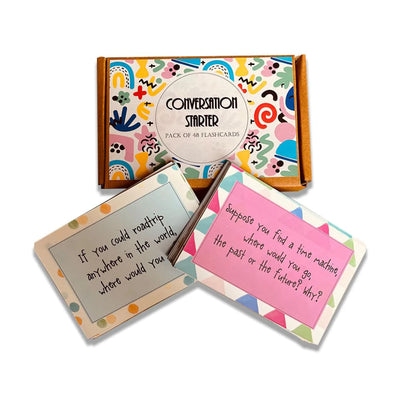
Play is the primary mode through which children learn about the world and their place in it. Structured and unstructured play opportunities are essential for social development. Encourage role-playing games where children enact real-life scenarios, helping them understand social roles and empathy. Group activities like building with blocks, collaborative art projects, or outdoor games teach negotiation, cooperation, and conflict resolution.
Child development experts emphasize that these experiences are critical for developing executive functions and self-regulation – skills often underdeveloped with excessive digital exposure. SkilloToys believes wholeheartedly in the power of play to nurture well-rounded individuals, echoing the national conversation around making play-based learning a core pillar of early childhood education.
Cultivating Language Development the Montessori Way
Maria Montessori's approach to language development is holistic and deeply integrated with other areas of learning. From practical life activities that introduce precise vocabulary for actions and objects, to sensorial materials that build a foundation for phonetic awareness, every element supports language acquisition. Children learn grace and courtesy lessons, which explicitly teach polite language and respectful communication, invaluable skills for any social setting.
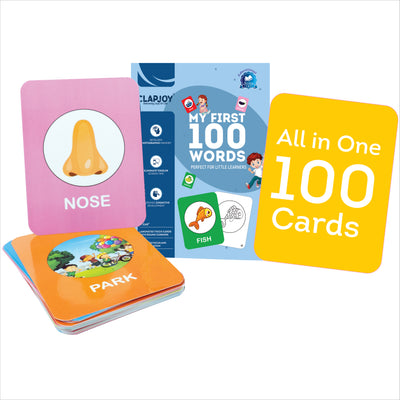
Materials like the Sandpaper Letters and Movable Alphabet allow children aged 3-6 to physically explore sounds and word formation, leading to early reading and writing. Rich storytelling, poetry, and conversations are daily occurrences, expanding vocabulary and encouraging eloquent expression. By providing a language-rich environment, Montessori nurtures not just speaking and listening, but a profound love for communication and connection.
The concerns around touchscreen digital exposure's impact on children's social and communication skills are valid and timely. However, with the wisdom of the Montessori approach, Indian parents have a clear pathway to mitigate these risks. By choosing real-world interactions, purposeful play, and tangible educational materials, we empower our children to develop into articulate, empathetic, and socially capable individuals, ready to thrive in an ever-evolving world.
- Excessive touchscreen digital exposure can hinder the development of vital social and communication skills in young children.
- The 0-8 age range is critical for social and language skill acquisition, making this period particularly sensitive to digital overexposure.
- Montessori education provides tangible, hands-on alternatives that foster real-world interaction, turn-taking, and collaborative play.
- Reducing screen time effectively involves establishing screen-free zones and engaging children in family activities and purposeful play.
- Play-based learning is fundamental for developing social cues, empathy, and strong communication abilities, often surpassing the benefits of digital interaction.
- Montessori materials specifically target language development through phonetic awareness, rich vocabulary, and practical communication skills.
How does touchscreen digital exposure specifically affect a child's social development?
Touchscreen digital exposure can reduce opportunities for crucial face-to-face interaction, which is vital for developing social cues, empathy, and turn-taking skills. Children may struggle with non-verbal communication and understanding complex social dynamics in real-world settings without sufficient practice.
What age group is most vulnerable to the negative impacts of excessive screen time on communication?
Children aged 0-5 years are particularly vulnerable as this is a critical period for rapid brain development and the acquisition of foundational language and communication skills. Excessive touchscreen use can displace essential play and interaction during these formative years.
Are there specific Montessori materials that can help improve social and language skills?
Yes, Montessori environments are rich with materials designed for this. Practical Life activities teach grace and courtesy, fostering social interaction. Language materials like Sandpaper Letters and movable alphabets develop vocabulary and phonetic awareness, while sensorial materials encourage collaborative discovery and communication.
How can Indian parents effectively reduce touchscreen time for their kids in a joint family setting?
Indian parents can implement 'screen-free zones' and 'screen-free times' in the home, involving grandparents in promoting alternative play. Designating specific times for shared activities like storytelling, outdoor games, or engaging with educational toys can naturally reduce reliance on devices.
What is the recommended daily screen time for young children, according to experts?
Child development experts generally recommend limiting screen time for children aged 2-5 years to no more than one hour per day of high-quality programming, always co-viewed with an adult. For children under 18-24 months, screen time is typically discouraged, with exceptions for video calls with family.