Touchscreen Social Development Kids: A Montessori View
Recent research from Frontiers underscores a critical concern for parents globally, particularly how touchscreen social development kids might be impacted by increasing digital exposure. Studies indicate that excessive time on touchscreens can significantly hinder a child's ability to develop crucial social and communication skills through real-world interaction. This phenomenon warrants a closer look, especially for Indian families navigating the digital age.
Touchscreen digital exposure refers to a child's interaction with devices like smartphones and tablets, which primarily rely on direct touch input rather than physical buttons or tools. This matters because it replaces opportunities for hands-on, multi-sensory engagement crucial for early brain development. Indian parents can proactively manage this by prioritizing tangible play and fostering rich interactive environments.
The Tangible Impact of Touchscreens on Social & Communication Skills
Child development experts agree that the pervasive nature of touchscreen devices is altering the landscape of early childhood experiences. The Frontiers systematic review highlights a concerning trend: reduced face-to-face interactions, less development of non-verbal cue recognition, and delayed language acquisition are often linked to high levels of digital exposure communication skills deficiencies.
This is particularly salient in India, where access to smartphones is widespread, even among very young children. While screens offer convenience, the lack of reciprocal interaction inherent in touchscreen use means children miss out on critical back-and-forth dialogues that build vocabulary and conversational rhythm. Research shows that children learn best through active engagement with their environment and caregivers, not passive consumption.
Montessori's Timeless Wisdom: Nurturing Real-World Interaction
Maria Montessori's philosophy offers a powerful antidote to the challenges posed by the digital age, emphasizing hands-on learning and a 'prepared environment.' Montessori social interaction thrives on children working together, sharing materials, and learning through observation and imitation in a natural, collaborative setting. This approach stands in stark contrast to the solitary experience often associated with touchscreen use.
In a Montessori classroom or home, children are engaged with tangible materials that demand their full attention and interaction. Activities like pouring water, buttoning clothes, or sorting beads not only build fine motor skills but also foster concentration and a sense of accomplishment. These practical life exercises are foundational for developing self-regulation and an understanding of cause and effect, skills that are often bypassed by the instant gratification of a screen.
Fostering Communication Through Prepared Environments
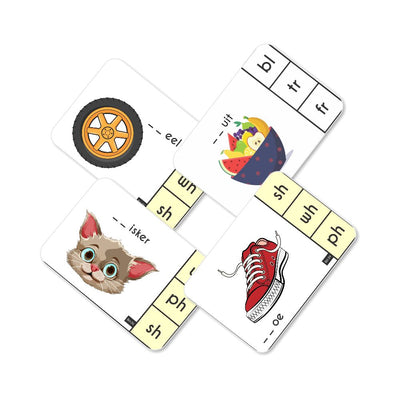
Montessori environments are meticulously designed to encourage independent exploration and foster rich communication. Materials like the Pink Tower or Brown Stair require children to problem-solve physically, while language materials such as sandpaper letters and classified cards build vocabulary and literacy through touch and sound. These experiences are multisensory and interactive, promoting deeper understanding and retention.
For instance, collaborative puzzles and construction sets encourage children to communicate, negotiate, and share ideas. When children engage with these materials, they naturally use language to express their needs, ask questions, and collaborate with peers or family members. This organic communication is vital for developing social intelligence and empathy, which passive screen time cannot replicate.
The Benefits of Real-World Play for Holistic Development
Prioritizing real-world play benefits every facet of a child's development, moving beyond the two-dimensional screen into a vibrant, interactive world. When children engage in imaginative play, build with blocks, or explore nature, they are actively constructing their understanding of the world around them. This form of engagement builds strong neural connections essential for cognitive growth and emotional regulation.
This hands-on exploration also directly addresses concerns about screen time social skills. Children learn to share, take turns, resolve conflicts, and understand different perspectives through direct interaction. These are not skills that can be taught effectively through a digital interface; they must be experienced. A study from the American Academy of Pediatrics states that excessive screen time can displace these crucial activities, leading to deficits in social-emotional development.
Navigating Screen Time in Indian Homes
In Indian homes, balancing cultural traditions, academic pressures, and the omnipresence of screens presents unique challenges. Grandparents, often central to child-rearing, might not always be aware of the nuances of touchscreen impact on child development. It becomes crucial for parents to gently educate and set clear boundaries for digital exposure.
Instead of completely eliminating screens, which may not be practical, focus on creating a rich 'real-world' alternative. Encourage family activities like reading books together, engaging in traditional Indian games, or helping in the kitchen. For younger children (0-2 years), zero screen time is ideal. For those aged 2-5, experts recommend limiting screen time to no more than one hour per day, ensuring it's high-quality and co-viewed with a parent.
SkilloToys: Your Partner in Real-World Learning
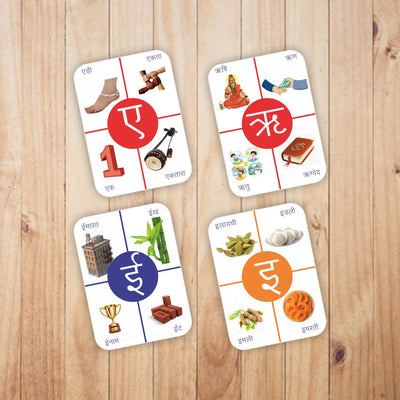
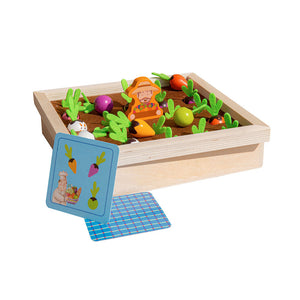
At SkilloToys.com, Bengaluru, we are dedicated to providing Montessori educational toys that nurture your child's holistic development. Our curated collection offers tangible, engaging alternatives to screens, promoting hands-on learning that fosters critical social, emotional, and cognitive skills. From practical life materials to language and sensorial tools, our products are designed to spark curiosity and facilitate deep, meaningful learning experiences.
Choosing Montessori materials means investing in your child's foundational development, preparing them not just for school but for life. It's about empowering them with the tools for self-discovery, independence, and genuine connection in an increasingly digital world. Explore our full range of Montessori educational toys at SkilloToys.com and empower your child's journey beyond the screen.
- Excessive touchscreen exposure negatively impacts children's social and communication development.
- Reduced real-world interaction hinders the ability to read non-verbal cues and develop empathy.
- Montessori philosophy champions hands-on, collaborative learning as a vital alternative to screen time.
- Real-world play is essential for fostering cognitive, emotional, and social intelligence in children.
- Parents must balance screen time with engaging, tangible activities for holistic child development.
- For children under two, avoiding touchscreen digital exposure is highly recommended by experts.
How does touchscreen exposure specifically affect a child's social development?
Research indicates that excessive touchscreen digital exposure can reduce opportunities for face-to-face interaction, impacting a child's ability to read non-verbal cues and develop empathy. This often leads to difficulties in real-world social navigation and nuanced communication.
What age group is most vulnerable to the negative impacts of touchscreen exposure?
Studies show that children under two years old are particularly vulnerable, as their brains are rapidly developing foundational social and language skills through direct, sensory experiences. Older children also face risks, but early exposure during critical developmental windows poses significant concerns.
How can Montessori principles help counteract the effects of excessive screen time?
Montessori emphasizes hands-on, self-directed learning and social interaction within a prepared environment. Engaging with Montessori materials like practical life activities and collaborative work fosters concentration, problem-solving, and crucial social graces, providing a rich alternative to digital screens.
What are some effective real-world activities to boost social and communication skills?
Activities such as open-ended play, storytelling, cooperative games, and practical life tasks (e.g., helping with chores) are highly effective. These encourage negotiation, sharing, active listening, and expression, building strong social and communication foundations.
Is all screen time bad for children, or are there benefits?
Child development experts agree that not all screen time is inherently bad; educational and interactive content can offer some benefits when used sparingly and appropriately. However, the key lies in moderation, parental involvement, and prioritizing real-world experiences for holistic development.