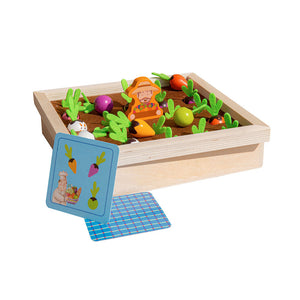
Wooden Toys for Kids: Cognitive & Language Growth Guide (0-8)
High-quality wooden toys for kids are unequivocally superior tools for fostering robust cognitive and language development from infancy through early childhood (0-8 years). Research consistently demonstrates that the tactile, open-ended nature of wooden educational toys stimulates critical thinking, problem-solving, and vocabulary acquisition more effectively than passive alternatives. For Indian parents navigating a digitally-saturated world, these timeless materials offer a crucial anchor for holistic child growth.
As screens become ubiquitous, threatening foundational skills – from children trying to swipe physical books to a general decline in fine motor dexterity – the need for tangible, enriching play is paramount. SkilloToys, as India's leading Montessori educational toys store, champions wooden toys not just as playthings, but as essential developmental aids.
What are Montessori Wooden Toys?
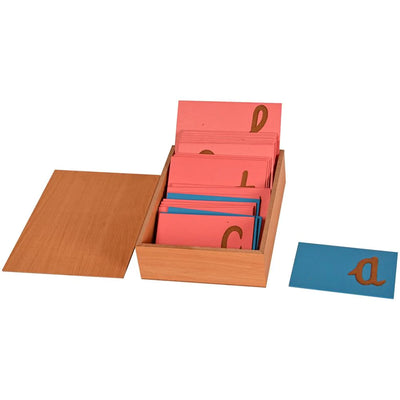
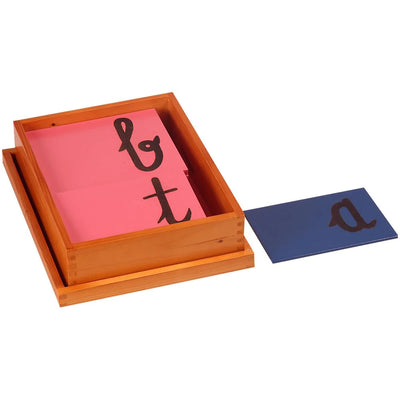
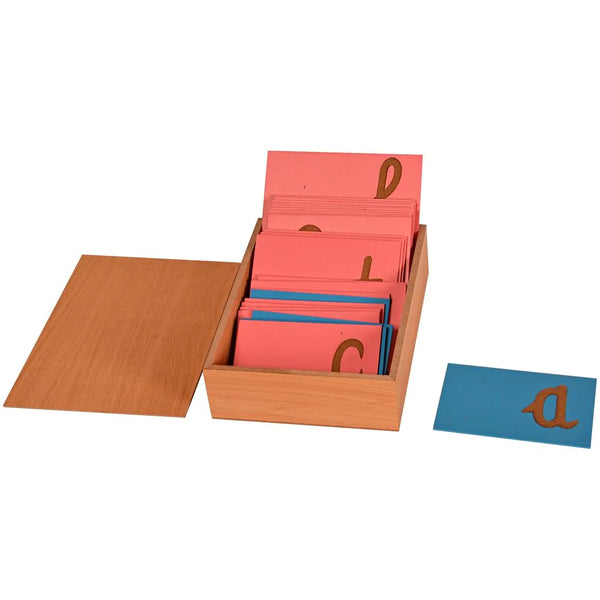
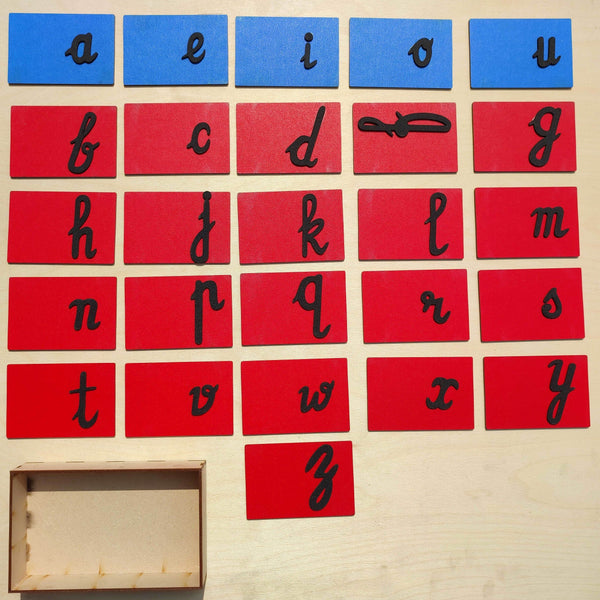
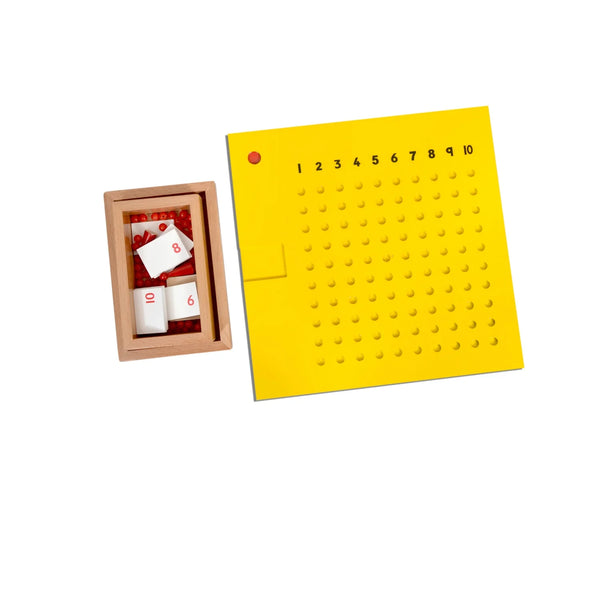
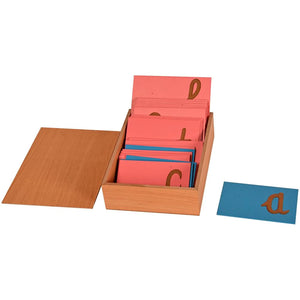
Montessori wooden toys are precisely designed educational materials, often self-correcting, that encourage children to learn through hands-on exploration and independent discovery. This approach, pioneered by Dr. Maria Montessori, focuses on developing practical life skills, sensory refinement, and intrinsic motivation, laying a strong foundation for both cognitive and language mastery.
The beauty of these materials lies in their simplicity. They don't have flashing lights or pre-recorded phrases; instead, they invite the child to be the active participant, the creator of meaning and sound. This active engagement is where true cognitive and language development blossoms.
Montessori Wooden Toys Nurture Cognitive Skills
Child development experts agree that a child's early experiences significantly shape their cognitive architecture. Montessori wooden toys are specifically crafted to provide these enriching experiences, far beyond what simple puzzles offer. Consider the satisfying 'clunk' of wooden blocks stacking, or the focused effort required to fit a wooden shape into its corresponding slot.
These seemingly simple actions build foundational cognitive skills like problem-solving, spatial reasoning, and cause-and-effect understanding. For a 3-year-old like Aarya in Bengaluru, struggling to balance a series of wooden cylinders, she's not just playing; she's learning physics, developing persistence, and refining her fine motor control – all critical for later academic success. Studies by the American Academy of Pediatrics highlight the importance of open-ended play for superior cognitive outcomes compared to passive screen engagement.
Boosting Language with Wooden Educational Toys
The connection between hands-on play and language development is profound. When a child manipulates wooden educational toys, they engage in a dialogue with their environment, which often translates into verbal expression. Imagine a 4-year-old enacting a busy market scene with wooden figures and fruit pieces from a Montessori collection.
They narrate stories, assign roles, and use descriptive language for colours, sizes, and textures. This imaginative play is a rich linguistic laboratory. Research from Frontiers indicates that excessive touchscreen digital exposure can negatively impact children's social development and communication, making tactile wooden toys an invaluable antidote. Encourage your child to describe what they are doing, fostering both receptive and expressive language skills. Ask open-ended questions like, "What's happening in your little wooden house?"
Exploring Types of Wooden Toys for Cognitive & Language Skills (0-8)
The range of wooden toys extends far beyond traditional blocks or puzzles, each offering unique developmental advantages. Understanding these variations helps Indian parents make informed choices for their children.
Wooden Stackers and Sorters (0-3 Years)
For infants and toddlers, wooden stackers and shape sorters are fantastic for developing fine motor skills and early cognitive concepts. A simple wooden ring stacker teaches size discrimination and order, while a shape sorter introduces geometric forms and problem-solving. These activities are foundational for pre-math skills and early vocabulary related to attributes.
Wooden Building Blocks and Construction Sets (2-6 Years)
Classic wooden blocks are unparalleled for fostering creativity, spatial reasoning, and engineering skills. As children build towers, bridges, or imaginary cities, they engage in complex planning and execution. This type of play also encourages collaborative interaction with siblings or grandparents, enhancing social communication and negotiation skills. The satisfying weight and feel of wooden blocks provide essential sensory input.
Wooden Role-Play and Pretend Play Sets (3-8 Years)
For preschoolers and early school-goers, wooden kitchen sets, dollhouses, or vehicle sets spark elaborate imaginative play. These best wooden toys for language development encourage children to adopt roles, create narratives, and mimic real-life scenarios, which is crucial for developing social understanding and advanced vocabulary. For instance, a child playing with a wooden train set might describe its journey through the Indian countryside, practicing adjectives and verbs, or a child playing with wooden food items might be encouraged to name them in their mother tongue.
Integrating Wooden Toys into Indian Homes
In many Indian homes, particularly joint families, the presence of older siblings or grandparents offers unique opportunities for multi-generational play. Encourage grandparents to share traditional stories while playing with wooden animals or building a village. This not only strengthens family bonds but also enriches the child's language exposure, blending modern Montessori principles with cherished cultural practices. NCERT's 2019 early childhood education framework emphasizes play-based learning, a concept perfectly embodied by wooden toys.
The tactile nature of wooden toys is also a powerful counterpoint to the growing digital dependency highlighted by 'Mission Aarambh' in Punjab, which aims to strengthen early childhood learning. While digital platforms have their place, the fundamental benefits of hands-on, tangible play for brain development remain irreplaceable. By consciously choosing to invest in wooden toys for kids, parents are investing in their child's innate capacity for discovery and genuine learning.
The simplicity of wooden toys is their greatest strength. They demand imagination, problem-solving, and active engagement, empowering children to become the architects of their own learning. Instead of merely being entertained, children become deeply involved, cultivating a lifelong love for exploration and understanding. Make a conscious choice tonight to introduce a new wooden toy and observe the wonders unfold in your child's cognitive and linguistic world.