Balancing Screen Time with Creative Play: Boost Focus
Effectively balancing screen time and creative play involves setting clear boundaries, offering engaging hands-on alternatives, and fostering an environment rich in imaginative opportunities. This approach is crucial for promoting healthy child development and enhancing crucial cognitive skills like focus and creativity in young Indian minds.
In today's fast-paced digital era, managing the allure of screens for our children has become a universal challenge for parents, particularly in bustling Indian households. The ongoing conversation in Google News articles about 'Screen time to brain time' highlights this pressing concern. While digital tools offer certain advantages, true creativity and imagination flourish through tangible interactions.
Balancing screen time and creative play refers to strategically integrating digital exposure with ample opportunities for open-ended, hands-on imaginative activities. This matters because excessive screen time correlates with reduced attention spans and decreased creative thinking. Indian parents can implement structured screen schedules and introduce enriching educational toys as alternatives to foster holistic development.
Understanding Screen Time Digital Distraction: Its Impact on Young Minds
The ubiquitous presence of smartphones and tablets means children are exposed to screens earlier and for longer durations than ever before. Research shows that excessive screen time digital distraction can lead to decreased attention spans, reduced problem-solving skills, and a potential hindrance to imaginative play development. Unlike active, hands-on engagement, passive screen viewing often provides instant gratification without requiring the child to create, build, or critically think.
In India, where children navigate academic pressure and competitive environments from a young age, ensuring foundational cognitive skills like focus and creativity are robustly developed is paramount. The shift from interactive play to passive consumption can delay the development of fine motor skills, language acquisition, and social-emotional intelligence. Child development experts agree that the early years are critical for brain development, making the quality of engagement far more important than the quantity of screen exposure.
Parenting Tips to Boost Focus & Imagination in the Digital Age
Creating a balanced environment is not about completely eliminating screens, but about smart integration and prioritizing real-world interactions. Here are practical parenting tips to boost focus and imagination, helping your child thrive beyond the digital realm.
Creating a 'No-Screen' Zone: Hands-On Activities for Creativity
Designate specific times and areas in your home as 'no-screen' zones, such as the dining table or bedrooms during certain hours. This simple boundary encourages children to seek out other forms of engagement. Fill these spaces with engaging hands-on activities for creativity that invite exploration and discovery, like art supplies, building blocks, or imaginative role-play props.
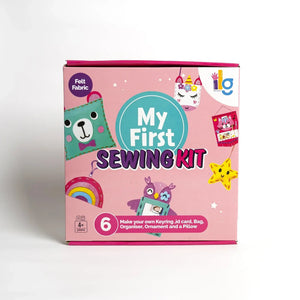
Encourage traditional Indian games or crafts, involving grandparents who can share stories and skills from their childhood. For instance, engaging in a variety of activityKits can provide structured creative outlets, fostering fine motor skills and sequential thinking without the need for a screen. This directly aligns with the spirit of companies like Crayola, which have partnered with Luxor to expand in India, emphasizing hands-on creativity to create joy.
Montessori Screen Time Tips: Structured Engagement
Maria Montessori's philosophy champions self-directed learning within a prepared environment. Applying Montessori screen time tips involves offering meaningful alternatives that capture a child's attention and curiosity. Instead of relying on digital babysitters, present age-appropriate, open-ended materials that encourage concentration and independent work.
For example, a toddler might be fascinated by practical life activities like pouring water or sorting beans, while an older child can engage with the Pink Tower or Sandpaper Letters. These activities naturally draw a child's focus and provide deep satisfaction, reducing the pull of screens. Establishing routines where creative play precedes any screen time reinforces its value and importance.
Educational Toys: Screen Time Alternatives for Healthy Child Development
High-quality educational toys are powerful screen time alternatives, essential for promoting healthy child development. They provide tactile experiences that screens cannot replicate, stimulating senses and encouraging active learning. From building blocks that teach spatial reasoning to puzzles that hone problem-solving, these toys are fundamental tools for growth.
SkilloToys.com is committed to offering thoughtfully designed Montessori learning materials that inspire imagination in the digital age. These toys, often sustainable and made by Indian brands as highlighted by The Better India, encourage children to invent scenarios, collaborate with others, and develop their unique creative voices. For example, a child engaged with a stacking game learns about balance and order, while another with a pretend play kitchen develops social skills and imaginative narratives.
Embracing Hands-On Creativity for a Brighter Future
Creating a balanced childhood in India means intentionally fostering an environment where curiosity and imagination thrive. It requires parents to be present, to engage actively, and to provide opportunities for children to explore the world through their senses and their hands. By setting thoughtful boundaries around screen time and generously offering avenues for creative play, we empower our children to develop essential life skills, boost their focus, and nurture their innate ability to imagine and innovate.
The joy of building a tall tower, the satisfaction of completing a challenging puzzle, or the wonder of painting a vibrant picture are experiences that shape a child far more profoundly than any digital interaction. Let's celebrate the power of hands-on creativity and guide our children towards a future rich in imagination and focused learning.
- Balancing screen time with creative play is crucial for healthy child development in the digital age.
- Excessive screen time correlates with reduced attention spans and decreased imaginative thinking in children.
- Implementing 'no-screen' zones and offering hands-on activities significantly boosts focus and creativity.
- Montessori principles emphasize a prepared environment with purposeful activities as effective screen time alternatives.
- Educational toys provide essential tactile, problem-solving, and imaginative experiences that screens cannot replicate.
- Indian parents can leverage traditional play, grandparent involvement, and high-quality educational toys to foster holistic development.
How much screen time is appropriate for Indian children?
Child development experts recommend no screen time for children under 18 months, except for video chats with family. For children aged 2-5 years, limited screen time to one hour per day is advised, focusing on high-quality, educational content.
What are effective strategies to reduce screen time digital distraction?
Effective strategies include establishing clear screen time limits, creating 'no-screen' zones in the home, offering engaging hands-on alternatives, and actively participating in creative play with your child. Involving grandparents in fostering traditional play can also be highly beneficial.
How do educational toys help balance screen time with creative play?
Educational toys provide tangible, interactive experiences that stimulate problem-solving, fine motor skills, and imaginative thinking. They serve as engaging screen time alternatives, naturally drawing children into focused, self-directed play that develops crucial cognitive abilities.
Can Montessori principles guide screen time management?
Yes, Montessori principles advocate for a prepared environment rich in hands-on, purposeful activities that encourage concentration and independent learning. By offering a stimulating physical environment, parents naturally reduce the appeal of screens, aligning with the Montessori emphasis on real-world exploration.
What hands-on activities boost focus and imagination?
Activities like building with blocks, engaging with puzzles, painting, storytelling, dramatic play, and exploring nature significantly boost focus and imagination. These activities encourage open-ended thinking and allow children to develop concentration through self-directed engagement.