Foster Empathy & Creativity in Children Through Play
To foster empathy and creativity in children, parents can actively engage them in imaginative role-playing, open-ended activities, and collaborative games that encourage perspective-taking and emotional expression. By creating a prepared environment for child-led exploration, Indian parents provide rich opportunities for social-emotional growth and innovative thinking. This approach is mirrored in initiatives like KidZania India's focus on experiential learning.
The recent partnership between KidZania India and the Magic Bus Foundation, aimed at promoting empathy and creativity among children, has sparked important conversations across Bengaluru and indeed, all of India. This initiative highlights a critical need to move beyond rote learning and embrace holistic development. It reminds us that fostering emotional intelligence and imaginative thinking is just as vital as academic success.
What are Empathy and Creativity in Children?
Empathy is the ability to understand and share the feelings of another, while creativity is the use of imagination to produce original ideas. This matters because both are crucial for navigating social situations, solving complex problems, and fostering resilience. Indian parents can cultivate these by providing rich play environments and encouraging open dialogue at home.
The Power of Play to Teach Empathy Through Play
Child development experts agree that play is a child's primary language and their most effective learning tool. When children engage in imaginative role-playing, they step into another's shoes, whether it's pretending to be a doctor, a shopkeeper, or even a grandparent sharing a story. This process is fundamental to developing empathy, as they consider different perspectives and emotional states.
In Indian homes, children often naturally enact roles inspired by family life, from helping with festival preparations to mimicking interactions with community helpers. These scenarios provide invaluable practice in understanding feelings and reactions. Montessori education, with its emphasis on grace and courtesy, further enhances this by teaching children how to interact respectfully and considerately within their community, preparing them for a world beyond the classroom.
Nurturing Creative Play for Emotional Intelligence
Creative play is a powerful catalyst for developing emotional intelligence. When children are given open-ended materials and the freedom to explore, they express their inner worlds, process emotions, and develop innovative solutions. A simple set of building blocks or a box of craft supplies can become anything their imagination conjures, allowing for emotional release and self-expression.
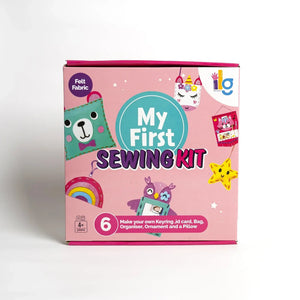
Studies indicate that children who engage in diverse forms of creative play demonstrate better emotional regulation and communication skills. They learn to adapt, invent, and articulate their thoughts and feelings, building a robust foundation for handling life's ups and downs. Encouraging children to create stories, paint pictures, or build structures from scratch fosters a sense of agency and emotional resilience. SkilloToys offers a range of activityKits designed to inspire this kind of open-ended creative exploration.
Montessori Social Emotional Learning: A Foundation for Holistic Growth
Maria Montessori's philosophy intrinsically weaves social-emotional learning into every aspect of the child's environment. Beyond academic concepts, the Montessori method emphasizes practical life skills, fostering independence, self-discipline, and respect for others. Children learn to share resources, take turns, and resolve conflicts peacefully through structured yet flexible activities.
In a Montessori setting, activities like caring for plants, preparing snacks, or working with sensorial materials like the Pink Tower and Sandpaper Letters, subtly teach collaboration and consideration. For instance, waiting for a material to become available or returning it carefully demonstrates respect for others and the shared environment. This cultivates a deep understanding of community and mutual respect, which are cornerstones of social-emotional development.
Practical Ways Indian Parents Can Foster Empathy and Creativity in Children at Home
Indian parents have a unique cultural advantage in fostering these traits, often living in joint families where intergenerational interactions are common. Encourage your child to:
- Listen to Grandparents' Stories: These narratives often impart moral lessons, cultural values, and expose children to different life experiences, enhancing empathy.
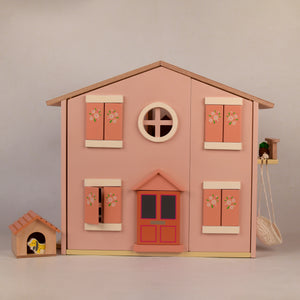
- Engage in Pretend Play: Provide dress-up clothes, dolls, and miniature kitchen sets. Encourage them to role-play family scenarios, market visits, or even celebrating festivals like Diwali or Holi.
- Collaborate on Projects: Work together on a family art project or a puzzle. These activities require communication, turn-taking, and compromise, strengthening both empathy and creativity.
- Community Involvement: Involve children in small acts of kindness, like helping an elderly neighbour, sharing food during festivals, or participating in local clean-up drives.
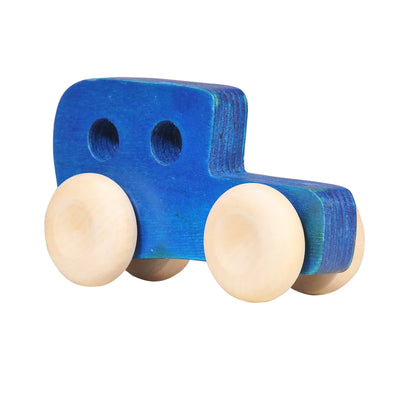
- Open-Ended Play Materials: Offer simple, versatile toys that can be used in multiple ways, rather than single-purpose items. This sparks imagination and creative problem-solving.
Research shows that children whose parents actively model and encourage empathy and creative thinking are more likely to exhibit these traits themselves. These daily interactions become powerful learning opportunities.
KidZania Empathy Creativity & Magic Bus Foundation Play: Lessons for Home
The KidZania India and Magic Bus Foundation collaboration is a testament to the power of experiential learning in promoting empathy and creativity. Their approach involves placing children in simulated real-world environments where they can explore various professions and social roles. This hands-on method allows children to grasp complex social dynamics and express themselves creatively without direct instruction.
We can draw inspiration from this by creating similar 'real-world' play scenarios at home. Encourage your child to run a pretend shop, manage a mini-restaurant, or even organize a small family event. These activities, much like the Magic Bus Foundation play programs, build confidence, teach responsibility, and allow for the spontaneous expression of both empathy and creative ideas. Over 85% of children engaged in structured play programs show significant improvements in social skills and imaginative thinking, demonstrating the profound impact of such initiatives.
Ultimately, fostering empathy and creativity in children is not about adding more pressure to their already packed schedules. It's about consciously integrating opportunities for imaginative, child-led play into their daily lives. By providing the right environment and tools, like those found in the SkilloToys Montessori collection, Indian parents can empower their children to become compassionate, innovative, and resilient individuals.
- Play is the most effective tool for developing empathy and creativity in children.
- The KidZania India and Magic Bus Foundation partnership underscores the importance of experiential learning for social-emotional growth.
- Montessori education intrinsically promotes social-emotional learning through practical life activities and a prepared environment.
- Creative play significantly enhances emotional intelligence and self-expression.
- Indian family dynamics offer unique opportunities for children to learn empathy through intergenerational interactions.
- Providing open-ended play materials and encouraging role-playing are practical ways to nurture these vital skills at home.
Why is empathy important for children's development?
Empathy is crucial for healthy social development, allowing children to build meaningful relationships, resolve conflicts peacefully, and understand diverse perspectives. It forms the bedrock of kindness and compassion, essential for navigating a complex world.
How do Montessori toys help foster creativity?
Montessori toys are designed to be open-ended, allowing children to explore, experiment, and discover solutions independently, which directly fuels creativity. Materials like building blocks, sensory bins, and practical life tools encourage imaginative problem-solving and self-expression.
Can creativity truly be taught, or is it innate?
While some creative tendencies might be innate, research shows that creativity can absolutely be nurtured and developed through practice, exposure to diverse experiences, and an encouraging environment. Providing opportunities for open-ended play and exploration is key.
What is the role of parents in developing a child's empathy?
Parents play a vital role in developing empathy by modeling empathetic behavior, discussing emotions, reading stories, and encouraging perspective-taking during play and daily interactions. Acknowledging a child's feelings also helps them understand others' emotions.
How can play help my child prepare for real-world social challenges?
Play, especially imaginative and role-playing scenarios, provides a safe space for children to practice social skills, navigate conflicts, and experiment with different emotional responses. This experiential learning builds confidence and resilience for real-world social challenges.